Introduction
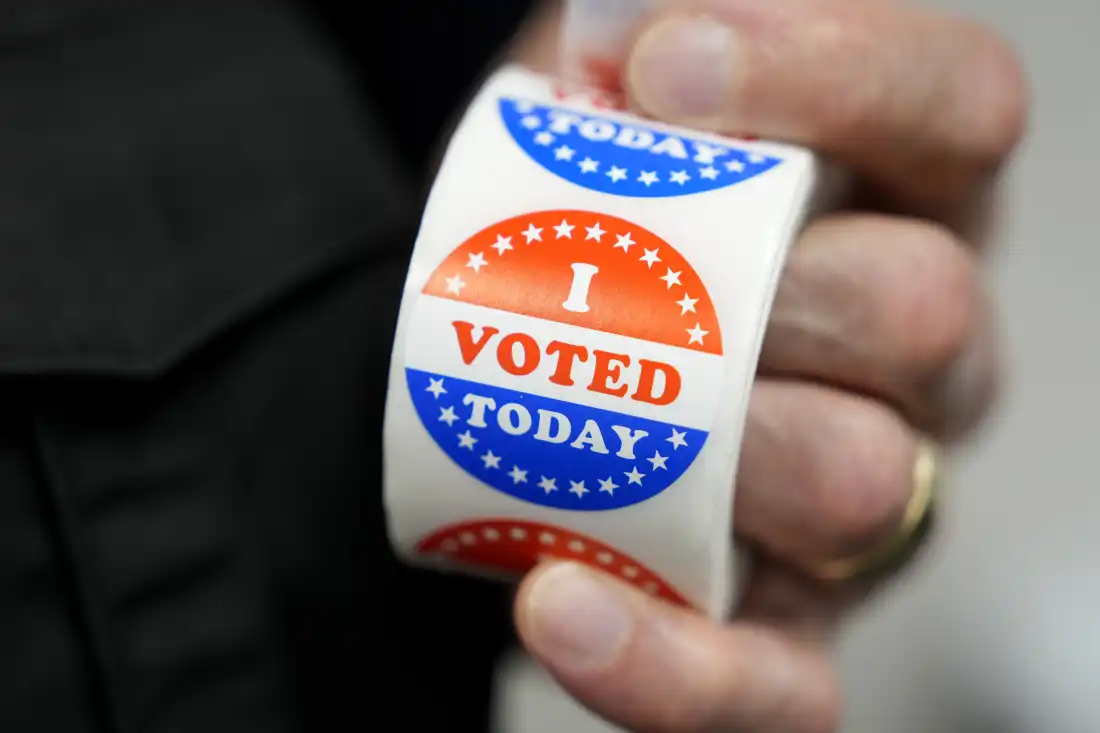
The 2026 midterm election is shaping up as one of the most competitive House races in recent memory, with 70 districts seeing six-figure ad buys from both parties as Election Day approaches.
What Happened
An NPR analysis identifies 70 House districts where at least six figures of ad spending per district have flooded the final days of messaging. The battle is no longer about whether a Democratic wave will crest, but how high it will rise.
Key ratings show Democrats favored in 220 seats, with 17 listed as toss-ups and another 30 potentially competitive but leaning Republican. In the final week, ad totals top $10 million each in Michigan North Carolina New York and Florida, while seven-figure buys target deep-red communities across Tennessee Oklahoma and Arkansas.
Why This Matters
With the House currently split 218-214 in Republicans favor a Democratic flip appears increasingly likely. A recent NPR Marist poll gives Democrats a 10-point advantage among registered voters and 8 points with likely voters on the generic congressional ballot expanding the competitive map well beyond traditional swing districts.
Redistricting plays a major role. Post-Supreme Court decisions reshaped boundaries in states like Arkansas North Carolina and Alabama aiming to dilute Democratic voting power. Meanwhile cost-of-living concerns including gas prices tariffs and international trade pressures rank as top voter anxieties as millions have already cast ballots during early voting.
Key Takeaways
- Seventy districts have already surpassed six-figure ad spending signaling intense final-stage competition.
- Democrats hold a statistical edge in the generic ballot but a handful of Republican-held seats remain pivotal.
- Redistricting after recent court rulings has reshaped competitive lines in multiple states affecting incumbents and challengers alike.
- Top voter concerns cost of living gas prices and trade policy are driving turnout and ad targeting in the closing days.
Conclusion
As the 2026 midterms near their close the House majority hangs in the balance of a relatively narrow set of districts where ad spending redistricting and voter sentiment converge. Watching which races cross the six-figure spending threshold and how the generic ballot trends shift in the final hours will offer the clearest signal of which party will control the chamber.







Discussion
Join the conversation
Thoughtful reactions, questions, and follow-up ideas help shape the next story.