Introduction
The 2026 midterms are shaping up to be a watershed moment in American politics, with record‑breaking fundraising, widespread unrest in France, and a sharp escalation in the Ukraine‑Russia war dominating the news cycle.
What Happened
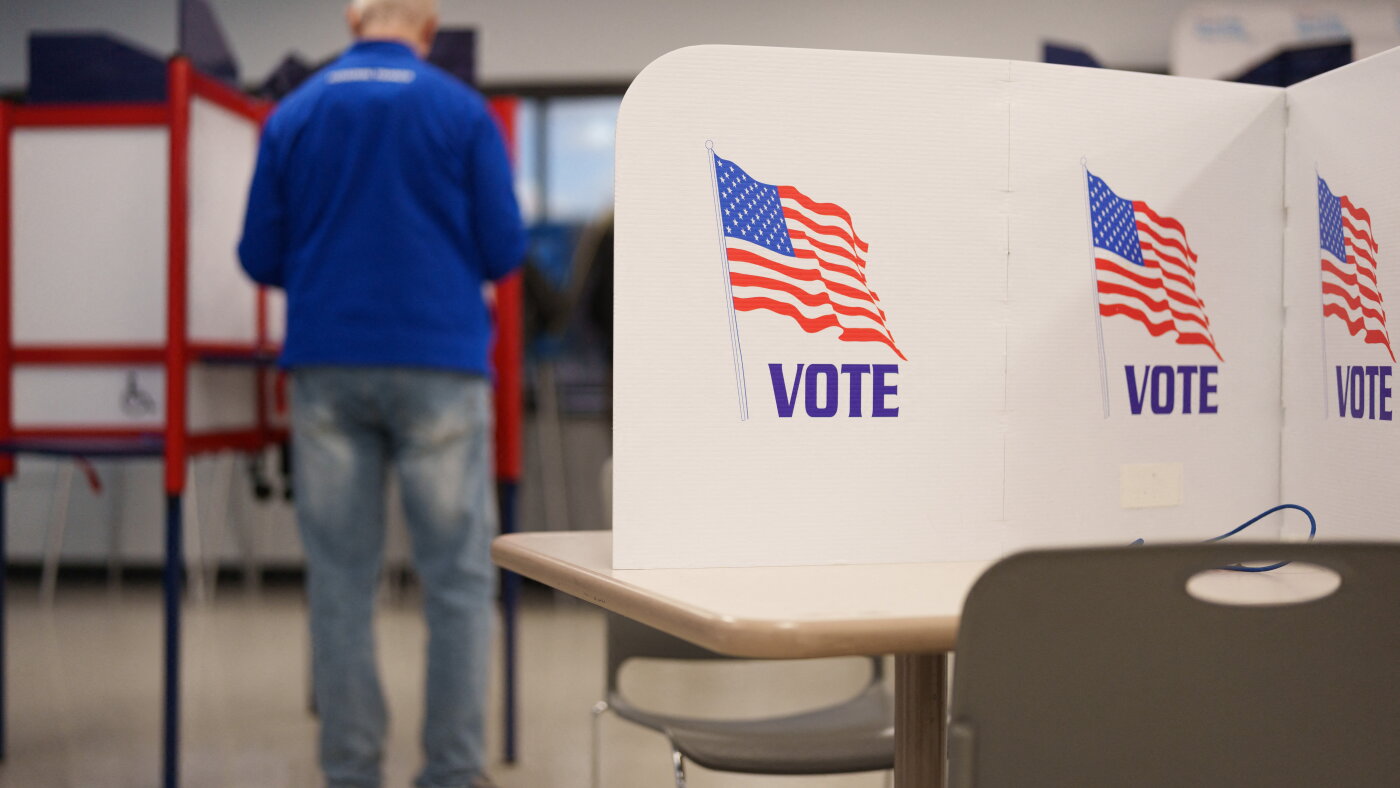
More than $15 billion has been raised for the 2026 midterm elections, putting this cycle on track to become the most expensive in U.S. history. Both parties are pouring resources into competitive races, with 75 percent of planned ad buys targeting toss‑up or leaning‑Republican districts. In France, President Emmanuel Macron condemned violent protests that began as student demands for better conditions and grew to include public‑sector workers opposing high energy prices and the cost of living. Authorities reported roughly 2,300 arrests and nearly 1,000 injured police officers. Meanwhile, a Ukrainian drone strike on Saint Petersburg killed at least one person and injured over a dozen, targeting a key oil terminal, while Russian missile strikes across Ukraine killed at least 11 others. President Trump has eased sanctions on Russia and authorized Russian diesel imports, drawing criticism from Ukrainian officials.
Why This Matters
The historic spending in the 2026 midterms could determine which party controls Congress, with competitive races potentially decided in the days after Election Day. In France, the protest movement’s scale and violence ahead of a presidential election signal deepening economic and social tensions that could reshape the political landscape. The latest Ukraine‑Russia escalation, including strikes on Russian cities and Trump’s policy shifts, risks further destabilizing an already volatile front and influencing global energy markets.
Key Takeaways
- The 2026 midterms are on pace to exceed $15 billion in campaign finance, making them the most expensive in U.S. history.
- French President Emmanuel Macron has denounced violent protests, citing over 2,300 arrests and nearly 1,000 injured officers.
- A Ukrainian drone strike on Saint Petersburg highlighted the war’s expanding reach, while Russia retaliated with missile attacks on Ukraine.
- Trump’s move to ease Russia sanctions and import diesel aims to lower U.S. gas prices before the midterms, drawing sharp condemnation from Kyiv.
- With major votes and policy shifts underway, the coming weeks will be critical for election outcomes and geopolitical stability.
Conclusion
From record‑breaking election spending to street protests in Paris and battlefield strikes in Eastern Europe, this week’s news underscores how domestic politics and international conflict are increasingly intertwined. Readers should watch swing‑state ad spending, French policy responses, and Ukrainian battlefield developments as the situation evolves.




Discussion
Join the conversation
Thoughtful reactions, questions, and follow-up ideas help shape the next story.