Introduction
The 2026 midterms arrive at a moment when voter frustration over persistent inflation, shifting economic realities, and intense political polarization is reshaping the national landscape. With President Trump facing historically low approval ratings and a restless electorate, both parties are maneuvering for control of Congress in an environment defined by economic strain and strategic realignments.
What Happened
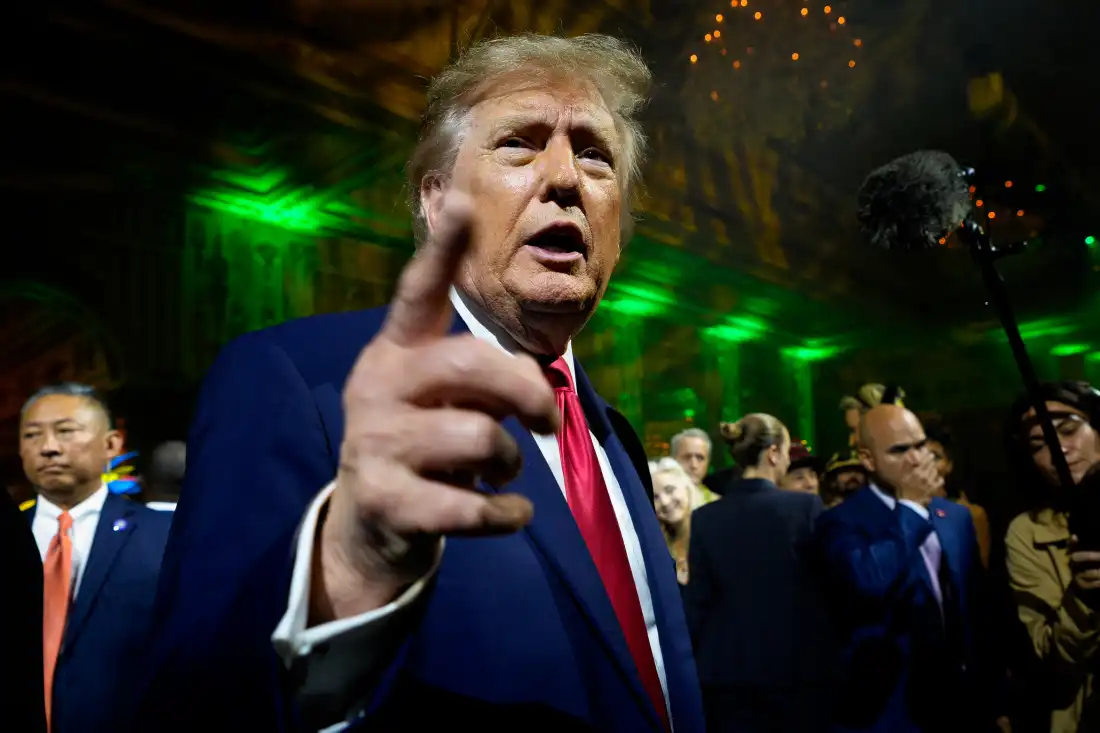
President Trump headlined a Halloween gathering at Mar-a-Lago just days before the midterm vote, a symbolic moment reflecting his continued influence over the Republican base. Meanwhile, the latest NPR/PBS News/Marist poll found that 44% of respondents said their finances were unchanged, 38% reported worsening conditions, and only 15% said things had improved. Historically, the president's party loses an average of 26 seats in midterm elections, and with Trump's approval below 50%, that average jumps to 35 seats. Democrats have benefited from strong showings in special elections and 2025 off-year contests, and they are now favored to win back the House, while also making unexpected gains in the Senate. Redistricting has played a quiet but significant role: an NPR analysis estimates Republicans gained roughly an eight-seat advantage through new district maps, even as the number of competitive districts has shrunk compared to previous cycles.
Why This Matters
The structural math favors Democrats this cycle, but the margin is narrow. With about 30 fewer competitive House districts than in 2018, the path to a majority requires turning out voters in key swing areas, particularly among Latino voters in South Texas and independent moderates turned off by economic pressure. The economy remains deeply bifurcated: wealthy portfolios dominated by AI-driven growth contrast with regular Americans facing higher interest rates, stalled wage growth, and difficulty affording homes or cars. Voters are also grappling with hard-line immigration enforcement, proposed Medicaid cuts, and a wave of regulatory rollbacks that have intensified opposition among swing districts. On the left, self-identified democratic socialists have emerged as an engaged, highly disapproving bloc, with 44% of poll respondents saying their vote was a check on Trump and 21% backing him. These dynamics set the stage for a midterm where turnout, rather than just messaging, may decide control of the House and Senate.
Key Takeaways
- Historically, the president's party loses an average of 26 seats in midterms; with Trump's approval below 50%, that figure rises to 35 seats.
- Democrats are favored to retake the House, aided by strong special-election performance and voter dissatisfaction with economic conditions.
- Redistricting has gifted Republicans an estimated eight-seat advantage, but fewer competitive districts make the map harder to flip.
- Inflation, interest rates, and AI-driven economic gains are creating a split between wealthy investors and everyday households struggling with housing and vehicle costs.
- Turnout will be the decisive factor: Trump's campaign trail efforts in red states aim to energize the GOP base, while Democratic organizers focus on coalition stability.
Conclusion
As election night unfolds, the results will likely trickle in over several days, especially in competitive Senate races where margins are thin. Whatever the outcome, the 2026 midterms underscore a fundamental truth: voter sentiment, economic pressure, and organizational ground game will shape the next two years of federal policy. Both parties will need to navigate a divided electorate and a political moment defined as much by what voters are resisting as by what they are supporting.




Discussion
Join the conversation
Thoughtful reactions, questions, and follow-up ideas help shape the next story.