Introduction
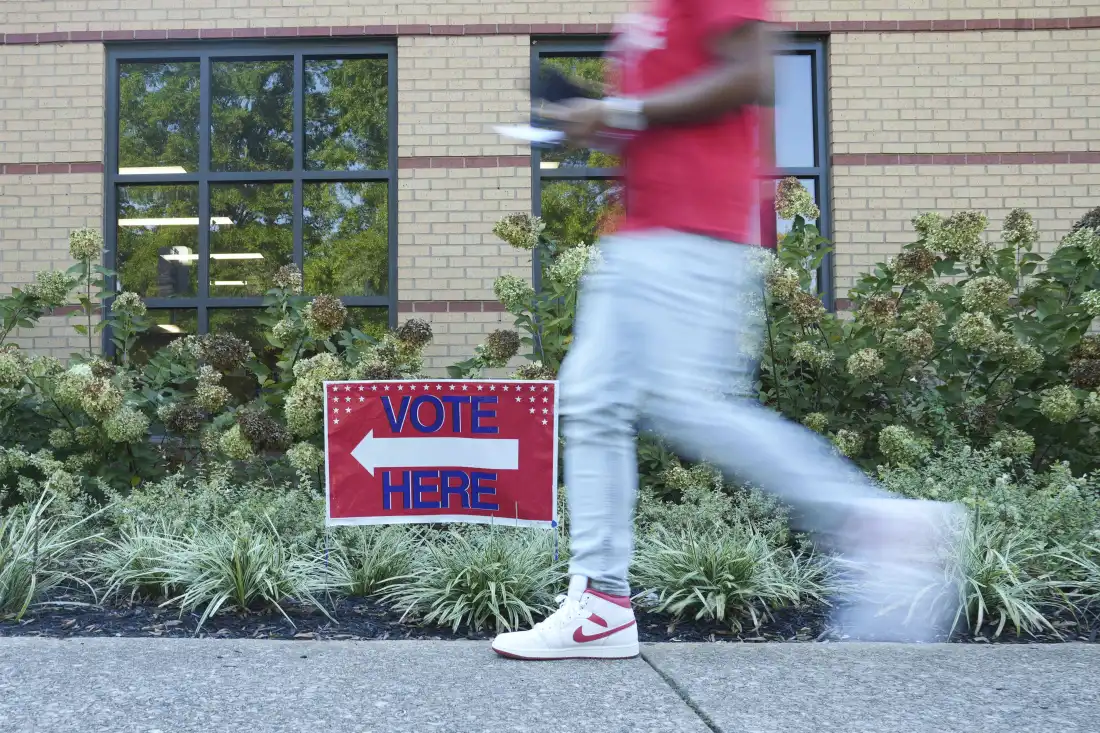
As the 2026 midterms approach, analysts identify the Senate contests most likely to determine which party secures majority control. With the political map initially favoring Republicans, Democrats have expanded the battlefield, turning several deep-red states into competitive arenas. The contest for the upper chamber hinges on a handful of battleground states where polling, fundraising, and voter turnout will ultimately decide the outcome.
What Happened
When this election cycle began, Democrats faced an uphill battle defending seats in states that strongly supported former President Trump. However, as the year progressed and global events reshaped the political landscape, the field of competitive races widened considerably. Polling data, advertising spending, and candidate travel schedules have all pointed to tight contests in states Trump carried by double digits in 2024, forcing both parties to divert significant resources toward races once considered safe.
Why This Matters
The stakes of the 2026 Senate fight extend beyond simple seat counts. A net gain of four seats would flip chamber control, but the path is narrow and volatile. Republican turnout emerges as a decisive factor: lower participation could limit Democratic gains to one or two seats, while high engagement could yield six or seven. Beyond the numbers, the outcome will shape legislative agendas on healthcare, climate, and judicial appointments, making every competitive race a focal point for national party strategy.
Key Takeaways
The Cook Political Report's tier ratings organize the most competitive contests, ranging from likely outcomes to true toss-ups. States like North Carolina and Michigan are rated as likely Democratic flips and toss-ups respectively, while Texas, Iowa, and Maine remain toss-ups with unique candidate dynamics at play. In several red states, third-party or independent candidates are pulling enough votes to keep races unpredictable, and fundraising disparities continue to shape ad saturation and voter visibility in the final days before Election Day.
Conclusion
As voters head to the polls, the Senate majority hangs by a thread of key battleground states where the margin for error is slim. Whether the final result produces a narrow majority or a broader wave, the 2026 Senate races will be defined by turnout, candidate messaging, and the shifting political currents that have turned traditionally red states into genuine battlegrounds. The coming days will reveal which party capitalizes on the momentum and which faces the consequences of an unexpectedly tight contest.




Discussion
Join the conversation
Thoughtful reactions, questions, and follow-up ideas help shape the next story.