Introduction
The Joint Revenue Board's announcement that 21 states have harmonised their tax laws marks a pivotal shift in Nigeria's fiscal landscape. The move replaces a patchwork of over 100 subnational levies with a standardised framework designed to modernise revenue collection.
What Happened
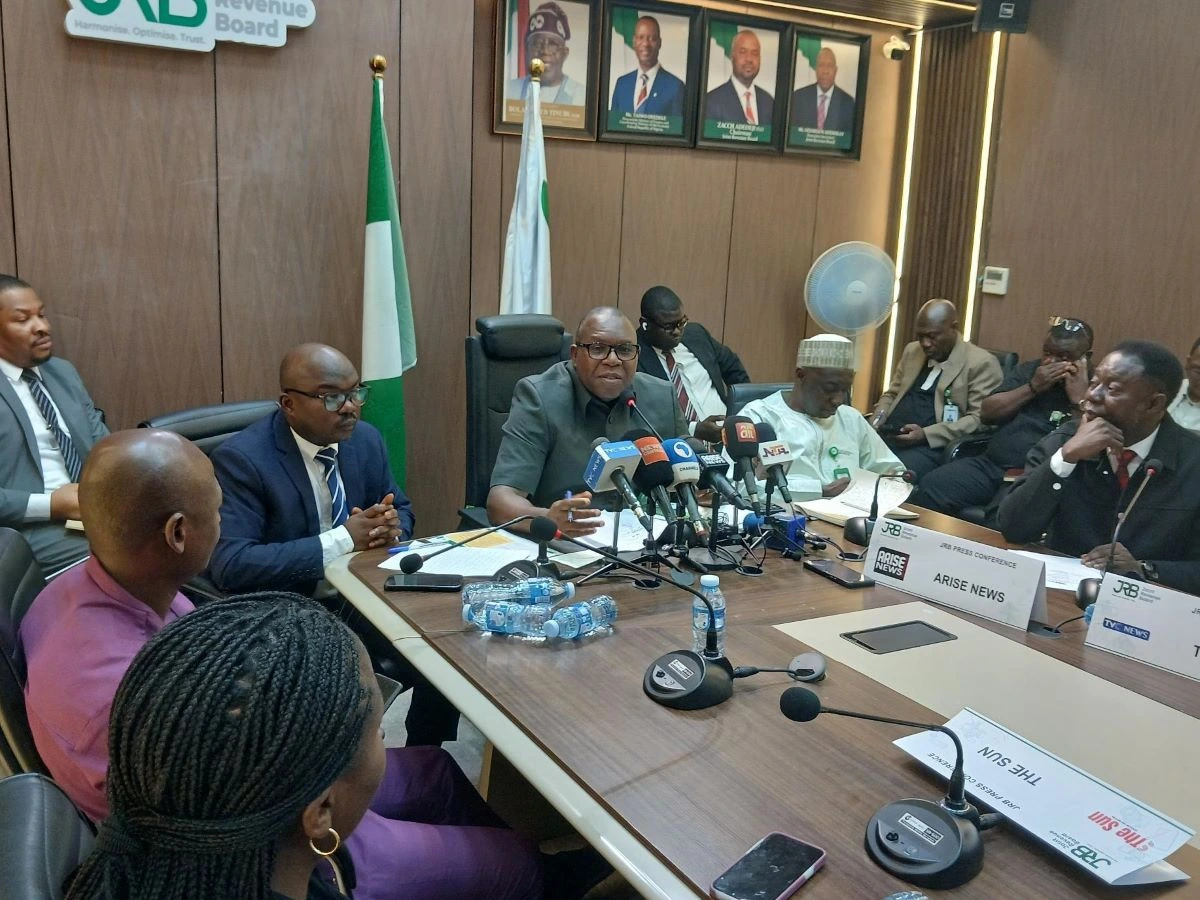
Executive Secretary Mr. Olusegun Adesokan revealed the development during a press conference attended by Nairametrics, noting the transition follows the Federal Government's implementation guidelines for the new Tax Acts 2025, effective January 1, 2026. The board emphasised that 21 states have now passed the Model Harmonised Taxes and Levies Law, standardising nine key tax heads including income tax, stamp duties, property tax, road tax, haulage levy, economic development levy, harmonised levy, user charge, and daily ticket. Several states are already leveraging JRB-supported technology to streamline revenue administration.
Why This Matters
The harmonisation effort targets the elimination of duplicate taxes, improved compliance, and a lighter administrative burden for small businesses. By consolidating more than 100 fragmented levies into a coherent system, the reform aims to create a more predictable and efficient tax environment. In a related move, the JRB affirmed zero tolerance for roadblocks erected to facilitate cash collection on highways, pledging to strengthen collaboration with the Nigeria Police Force to apprehend defaulters.
Key Takeaways
- 21 states have adopted the Model Harmonised Taxes and Levies Law, replacing over 100 fragmented subnational taxes
- The new framework introduces nine standardised tax heads, streamlining compliance for businesses and individuals
- States are increasingly adopting digital tools for revenue collection, supported by JRB technology interventions
- The board has banned roadside cash collection checkpoints and road stickers, directing all revenue processes through official channels
- Tax reform objectives include expanding the tax base, improving compliance, and reducing the burden on small enterprises
Conclusion
With the Joint Revenue Board's directive now in effect, the harmonisation of state tax laws represents one of Nigeria's most ambitious fiscal reforms in recent years. Stakeholders across the public and private sectors will be watching how the new framework impacts compliance, revenue growth, and business operations in the coming months.





Discussion
Join the conversation
Thoughtful reactions, questions, and follow-up ideas help shape the next story.