Introduction
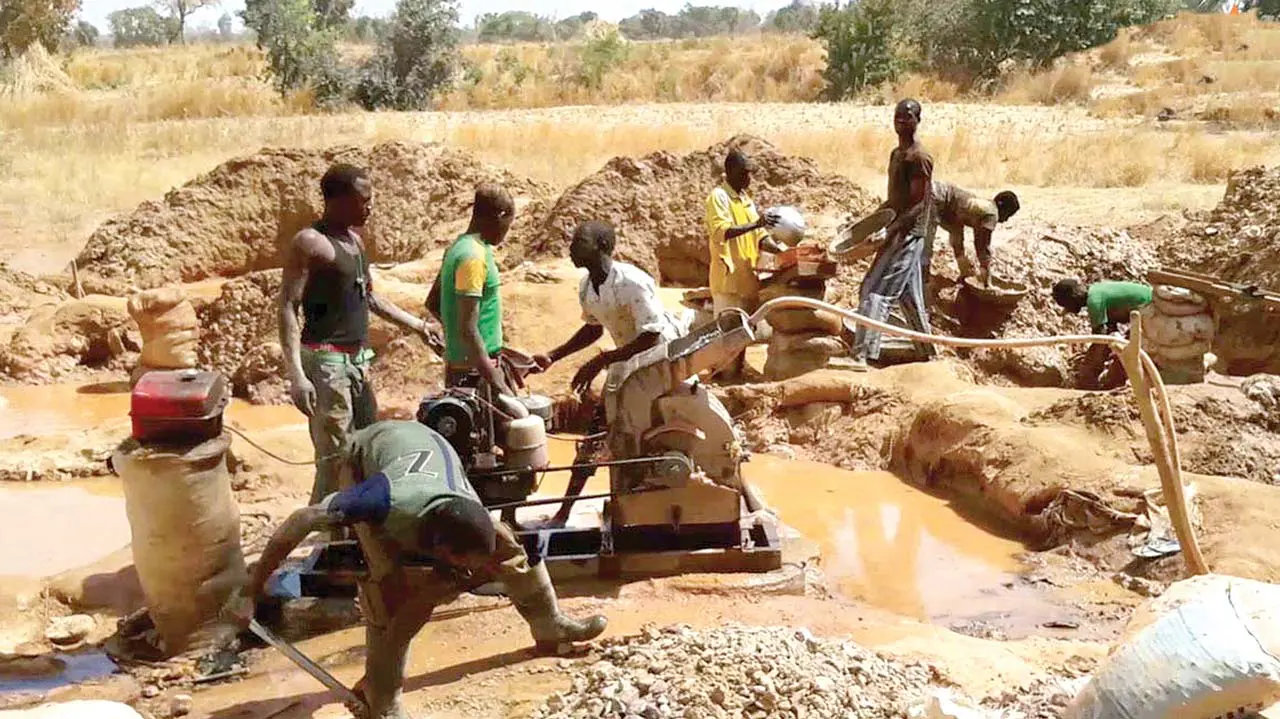
The recent deaths of 37 artisanal miners in Niger State have sparked nationwide outrage and reignited debates about Nigeria's informal mining economy. The incident, which saw miners detained and dying in custody, has become a flashpoint for broader concerns about enforcement, accountability, and the human cost of unregulated extraction.
What Happened
Between September 15 and 16, Nigeria Security and Civil Defence Corps operatives raided suspected illegal mining sites west of Minna, detaining about 65 artisanal miners. By September 17, 33 bodies were already in one hospital ward; the Niger State governor later confirmed 37 deaths. Initial official explanations pointed to a disease outbreak, but survivors described severely overcrowded cells with inadequate ventilation. Protests erupted in Minna, leading to a curfew, use of tear gas, and reports of live ammunition. The tragedy has drawn demands from civil society groups for independent investigations and a rethinking of how enforcement is conducted.
Why This Matters
Beyond the immediate loss of life, the incident exposes a deeper paradox: Nigeria is estimated to hold more than 40 commercially viable minerals across over 500 locations, yet the solid minerals sector contributed only 0.72 per cent of GDP in 2023, about N401 billion, and less than one per cent of national revenue. The gap between the country's geological wealth and the economic reality for host communities reveals a system where the poorest miners are arrested while those who finance, transport, and profit from extraction often operate beyond reach. Civil society organisations argue that enforcement focusing only on the pit misses the bigger picture of powerful beneficiaries and opaque supply chains.
Key Takeaways
- The deaths highlight the human cost of weak regulatory implementation and poor detention conditions.
- Civil society groups urge authorities to target financiers, middlemen, and powerful interests rather than only arresting artisanal miners.
- Nigeria's mining sector contributes a fraction of its potential revenue, with significant losses through illicit channels and opaque ownership structures.
- Formalising artisanal mining through cooperatives, training, safety equipment, and legitimate market access is essential to moving from informality to legality.
- Calls for constitutional reform, improved traceability, stronger enforcement, and investment in geological data and enforcement capacity are growing.
Conclusion
The Minna tragedy should serve as a turning point, not just another headline about mining fatalities. Meaningful change will require more than raids and arrests; it demands a systemic shift that formalises artisanal work, tracks the mineral value chain from pit to buyer, addresses poverty driving informal extraction, and ensures the state fulfills its responsibility for those in its custody. Only then can Nigeria transform its vast mineral endowment into inclusive development rather than a source of recurring loss and grief.


Discussion
Join the conversation
Thoughtful reactions, questions, and follow-up ideas help shape the next story.