Introduction
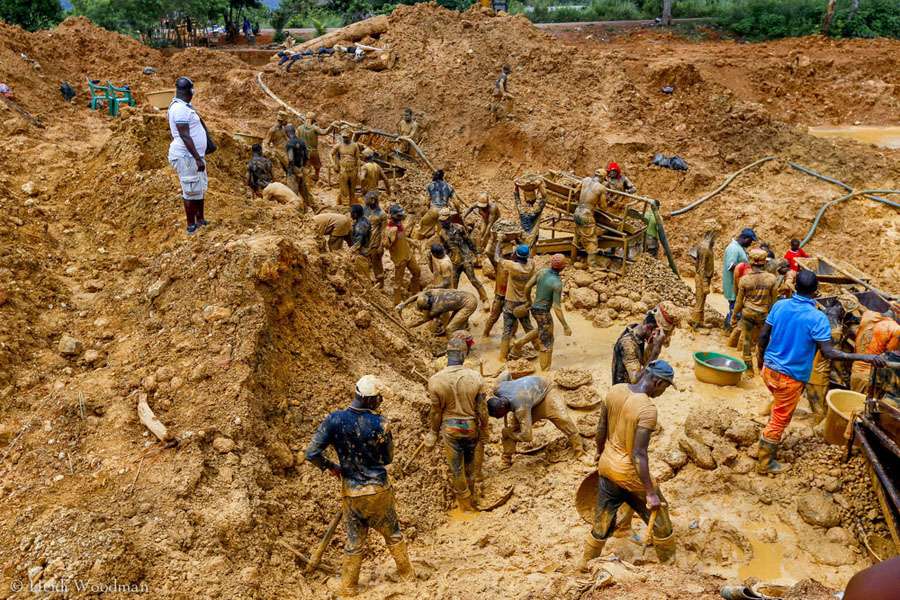
Nigeria's crackdown on unregulated extraction has revealed a crisis spanning 17 states, where 374 illegal mining sites operate beyond government control. The scale of the problem extends far beyond economic loss, touching security, environment, and public health.
What Happened
Recent joint operations by the Nigeria Security and Civil Defence Corps and the Ministry of Solid Minerals uncovered 374 unlicensed sites across the country. Since the enforcement push, authorities have arrested over 740 suspects, filed 165 prosecutions, and secured five convictions. The operation followed the deaths of at least 156 people, including 37 miners who died while in NSCDC custody in Niger State. Beyond fatalities, the investigation exposed a complex network involving artisanal miners, laborers, buyers, financiers, and foreign nationals, particularly Chinese operators arrested in Nasarawa and Niger states for alleged lithium and gold violations.
- Over 374 illegal sites identified across 17 states
- More than 740 suspects arrested
- 165 cases prosecuted with five convictions
- 37 deaths in custodial settings
Why This Matters
Illegal mining has evolved from a local economic activity into a sophisticated national threat. The practice fuels banditry in the North-West, contaminates waterways, and destroys agricultural land. Experts warn that children living near mining zones face long-term risks from heavy metal exposure, including neurological and respiratory damage. The crisis also mirrors patterns seen in other resource-rich nations where unregulated mineral extraction has financed armed conflict, making Nigeria's situation a growing concern for governance and stability.
Health experts emphasize that basic safety precautions are often ignored in artisanal operations, leaving workers and nearby communities vulnerable to toxic dust, contaminated water, and unsafe pit conditions.
Key Takeaways
- The crackdown has identified 374 illegal sites in 17 states, with enforcement actions already underway.
- Deaths, arrests, and prosecutions signal a shift toward stricter regulation, but challenges remain.
- Children and communities near mining sites bear the greatest health risks from unregulated extraction.
- Government responses, including Mining Marshal deployments and license revocations, show momentum but face logistical hurdles.
Conclusion
The exposure of 374 illegal mining sites across Nigeria marks a pivotal moment for the sector. While enforcement efforts have begun, lasting change will require sustained policy action, community engagement, and formalisation of artisanal practices. Readers are encouraged to stay informed on mining governance and support initiatives that prioritize safety, environmental protection, and transparent revenue management.



Discussion
Join the conversation
Thoughtful reactions, questions, and follow-up ideas help shape the next story.