Introduction
The MacroFactor app has developed a reputation for making body recomposition and fat loss more approachable. Its speed, accuracy, and adaptive algorithm set it apart from other nutrition trackers. For users who want to move beyond basic logging, certain built-in features can make daily tracking faster and more reliable. This guide covers six tools that power users rely on to stay consistent and get better results.
What Happened
MacroFactor recently updated its AI food logging system, and long-time users are highlighting a handful of features that simplify everything from restaurant meals to home cooking. Below are six capabilities that deserve a spot in your daily routine.
1. AI Food Logging With Photo and Description
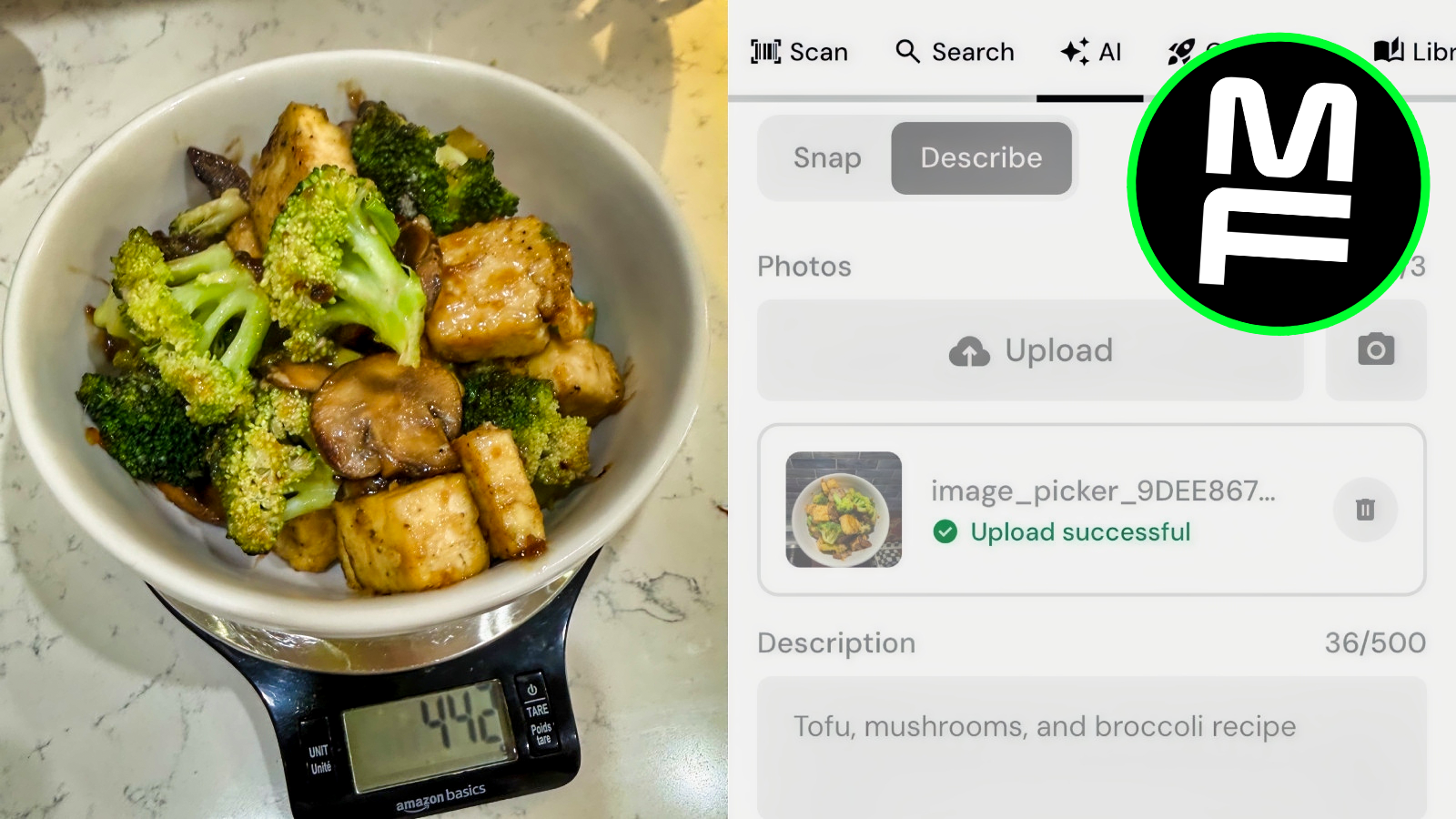
The newest version of the app introduces a streamlined AI logger. You can snap a picture of your meal or upload an existing photo, then use a “Describe” field to add details the camera cannot see. You might enter something like “chicken tacos without cilantro on flour tortillas” or list a saved recipe and the portion you ate. The more context you provide, the more accurate the calorie and macro estimate becomes. This is especially useful when you are traveling or eating at restaurants where weighing food is not practical.
2. A Digital Food Scale at Home
Eyeballing portions is convenient, but it is rarely precise. A kitchen scale removes the guesswork for ingredients like ground beef, avocado, and cottage cheese. A four-ounce portion of 90 percent lean ground beef runs about 199 calories; bump it to five ounces and you are near 249, while three ounces falls to roughly 149. A single extra spoonful of avocado can swing the count by 40 calories or more. Over a full day of estimated portions, those errors can add up to hundreds of unlogged calories. Weighing food at home also trains your eye for better estimates when you are away from your scale.
3. Saved Favorites for Repeat Meals
If you eat the same breakfast or snacks most days, saving them as favorites eliminates repetitive data entry. A typical saved breakfast might combine a mixed berry protein shake with a serving of 2 percent cottage cheese, adding up to roughly 393 calories, 50 grams of protein, 7 grams of fat, and 30 grams of carbohydrates. Because it is saved, it takes seconds to add rather than minutes. The same approach works for custom treats, such as Ninja Creami protein ice cream recipes, making weekday logging much faster.
4. Recipe Import and Saving
MacroFactor lets you build recipes from scratch, import them from a website link, or use AI to extract details from a photo or text. The link import option is particularly handy for home cooks who follow online recipes; copy the URL, and the app pulls in ingredients and portion sizes. The AI option works with cookbook screenshots or handwritten notes. Saving recipes once means you can log them accurately every time without rebuilding the entry.
5. A Consistent Smart Scale
Daily weigh-ins are a core part of the MacroFactor method, but the scale matters less than the consistency. Using the same scale every morning, ideally on a hard floor rather than carpet, produces a reliable trend even if the device is slightly off by a fraction of a pound. One writer uses an affordable RENPHO smart scale that syncs with a phone. The goal is not medical-grade body composition data; it is a dependable number you can track over time.
6. An Accountability Partner
Tracking calories and macros can feel isolating, especially during a deficit. Pairing up with a friend, spouse, or online community makes the process easier. Some users text each other daily updates, share recipes, and discuss workout ideas. If you do not have someone nearby, the MacroFactor subreddit and Facebook groups include thousands of people pursuing similar goals.
Why This Matters
Accuracy and consistency are the two variables that determine whether a tracking app actually leads to fat loss. Small logging errors compound quickly, and missing data makes it harder for the app’s algorithm to adjust your energy expenditure and macro targets. These six features reduce friction, improve precision, and help users stick with the process long enough to see meaningful changes in body composition.
Key Takeaways
- The upgraded AI food logger accepts photos plus written descriptions for more accurate restaurant and on-the-go logging.
- A home food scale prevents portion-estimation errors that can add up to hundreds of calories per day.
- Saving favorite meals and recipes cuts down daily logging time and improves consistency.
- Recipe import options include manual entry, website links, and AI-powered photo or text extraction.
- Using the same smart scale every day matters more than owning the most expensive model.
- An accountability partner or community can make a calorie deficit feel less overwhelming.
Conclusion
MacroFactor works best when it becomes a seamless part of your routine rather than a chore. By combining AI photo logging, home weighing, saved favorites, imported recipes, a reliable scale, and social support, power users can remove much of the guesswork from nutrition tracking. If you have not tried the app yet, a two-week trial is available with promo code BROBIBLE, which is enough time to decide whether these tools fit your lifestyle.
Discussion
Join the conversation
Thoughtful reactions, questions, and follow-up ideas help shape the next story.