Introduction
When Microsoft email, the Federal Aviation Administration, Chase, and Apple services all faltered within seven days, it felt like the digital world was having a collective meltdown. Downdetector, the outage-tracking site millions turn to when apps and websites stop working, recorded 6.4 million problem reports from the United States alone during that span—roughly four times a normal week. Globally, the number reached 14 million. While the timing looked alarming, the company behind the tracker says the cluster may be nothing more than coincidence.
What Happened
The trouble began with Microsoft. On November 12 and 13, Outlook and Teams went offline, cutting off email for users in more than 70 countries for nearly a full day. Downdetector logged about 3.9 million U.S. reports and 7.8 million worldwide, making it the largest outage the tracker has seen since Amazon Web Services went down in October 2025.
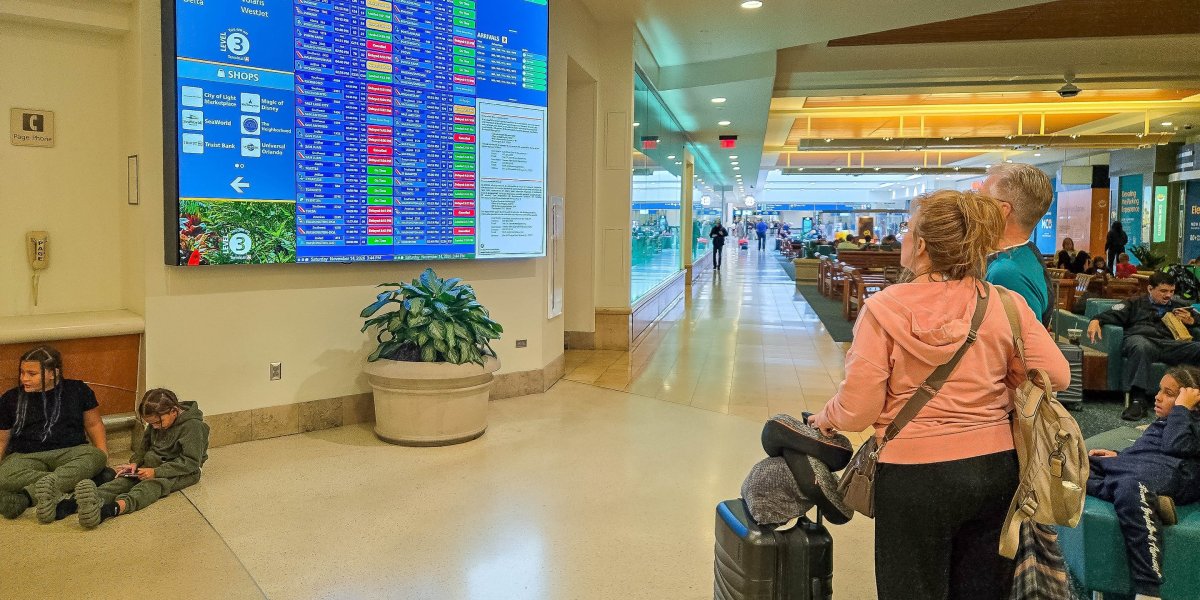
A few days later, the FAA ordered a nationwide ground stop, halting all U.S. flights. The agency cited unstable legacy equipment. Early findings point to two locations, including a radio site in El Dorado, Arkansas, where network contractor L3Harris had been installing a new router.
Then came Monday. A software bug at Chase left customers of Chase and Wells Fargo unable to access their accounts. Chase generated roughly 90,000 U.S. reports—about 165 times its typical volume and more than double any other U.S. bank outage recorded this year.
On Tuesday, Apple experienced issues with Apple Pay, iCloud, the App Store, and Apple Support, drawing around 81,000 reports. Apple attributed the problems to a faulty internal update. That same day, Downdetector flagged 67 U.S. services, compared to the usual 16, marking the busiest day of 2026 so far.
Why This Matters
These outages struck foundational services that people and businesses rely on every day: email, air travel, banking, and digital payments. When several of them fail in quick succession, the effect can feel like a systemic crisis, even if the root causes are unrelated.
Downdetector director Mark Giles, who leads research at parent company Ookla, described the phenomenon as waiting for a bus only to have several arrive at once. He told Fortune that nothing in the data links the incidents to one another. Still, the week highlights how dependent modern life is on a small number of critical infrastructure points. When one of them stumbles, millions notice immediately.
The timing also coincides with a debate in Washington. Senator Mark Warner, vice chair of the Senate Intelligence Committee, has suggested that organizations are rushing to patch software flaws that artificial intelligence tools are discovering faster than companies can fix them. Neither Microsoft nor JPMorgan Chase has connected its outage to that patching pressure, and Downdetector says its data cannot identify root causes like AI-driven exploits.
Key Takeaways
- Downdetector recorded 6.4 million U.S. outage reports in one week, about four times the usual volume.
- Microsoft Outlook and Teams, the FAA, Chase, and Apple all experienced significant disruptions within seven days.
- The FAA's nationwide ground stop was linked to legacy equipment issues, including work at a site in Arkansas.
- Chase saw roughly 90,000 U.S. reports, while Apple's Tuesday issues affected about 81,000 users.
- Outage tracking relies on user complaints, which can sometimes overstate the scale of a problem.
- Long-term data shows major outages have become less frequent since 2022, even if this week was an unusually busy cluster.
Conclusion
Was this week a warning sign or just bad luck? According to Downdetector, it's likely the latter. The service notes that large outages—defined as more than 50,000 U.S. reports for a single company in a day—happen a little more than once a week on average. Excluding pandemic-era spikes, outage counts in the U.S. and U.K. have trended downward since about 2022.
That doesn't mean companies can relax. Giles described a familiar cycle in banking and tech: firms roll out new features, underinvest in resilience, see outages rise, face customer backlash, and then increase spending to fix the problem. Meanwhile, security teams are watching the rise of AI-powered scanning tools that could accelerate the discovery of software flaws.
For now, the data suggests this was a cluster of isolated failures rather than a coordinated collapse. But as more essential services move online, the impact of even a single outage can ripple across the economy—making reliability not just a technical concern, but a public one.
Discussion
Join the conversation
Thoughtful reactions, questions, and follow-up ideas help shape the next story.