Introduction
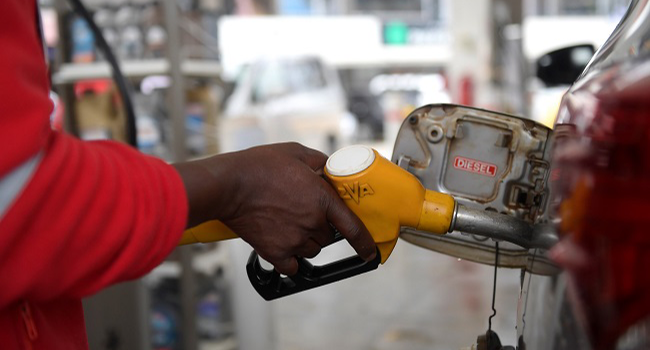
The African Democratic Congress (ADC) has raised alarm over the federal government's latest fuel price adjustment, which saw petrol retail at ₦1,470 per litre. The opposition party argues the hike is deepening economic strain across Nigeria.
What Happened
In a statement issued Tuesday in Abuja and signed by National Publicity Secretary Bolaji Abdullahi, the ADC condemned the ₦1,470 per litre pump price as a deliberate burden on ordinary Nigerians. The party noted that transportation, food, electricity, and education costs have all risen in tandem, pushing households toward what it described as the limits of human endurance. The group also highlighted that private schools have increased fees by 30 to 40 percent, while real incomes have failed to keep pace with rising fuel, food, rent, and transport expenses.
- Petrol price surged to ₦1,470 per litre
- Transportation and food costs climbed significantly
- Private schools raised fees by 30 to 40 percent
- Household incomes have not matched the pace of price increases
Why This Matters
The ADC warned that the fuel price hike is not just a transportation issue but a cascading crisis affecting every pillar of daily life. With families forced to choose between feeding children and paying school fees, the party argued that an economic reform should uplift citizens, not punish them. The group also criticized the administration for what it described as extravagant spending by public officials while ordinary Nigerians struggle to afford basic necessities.
Key concerns include the ripple effect on electricity tariffs, the widening gap between wage growth and living costs, and the growing risk of social instability if policies continue down this path.
Key Takeaways
- The ADC insists the petrol price must be reversed or significantly reduced to alleviate household pressure
- The party reaffirmed its support for former Vice President Atiku Abubakar's proposal to restore fuel subsidy and boost domestic production
- ADC warned against interpreting public patience as approval, urging Tinubu to act before conditions worsen
- The group emphasized that economic reform must serve the people, not deepen their suffering
- Stakeholders are watching the 2027 political landscape, where fuel policy will likely be a central issue
Conclusion
As Nigerians grapple with record fuel costs, the ADC's statement serves as a stark reminder of the human cost behind policy numbers. The coming months will test whether the government adjusts its approach or continues down a path that the opposition says is pushing citizens to the brink. For now, the demand is clear: policies must prioritize people over politics.


Discussion
Join the conversation
Thoughtful reactions, questions, and follow-up ideas help shape the next story.