Introduction
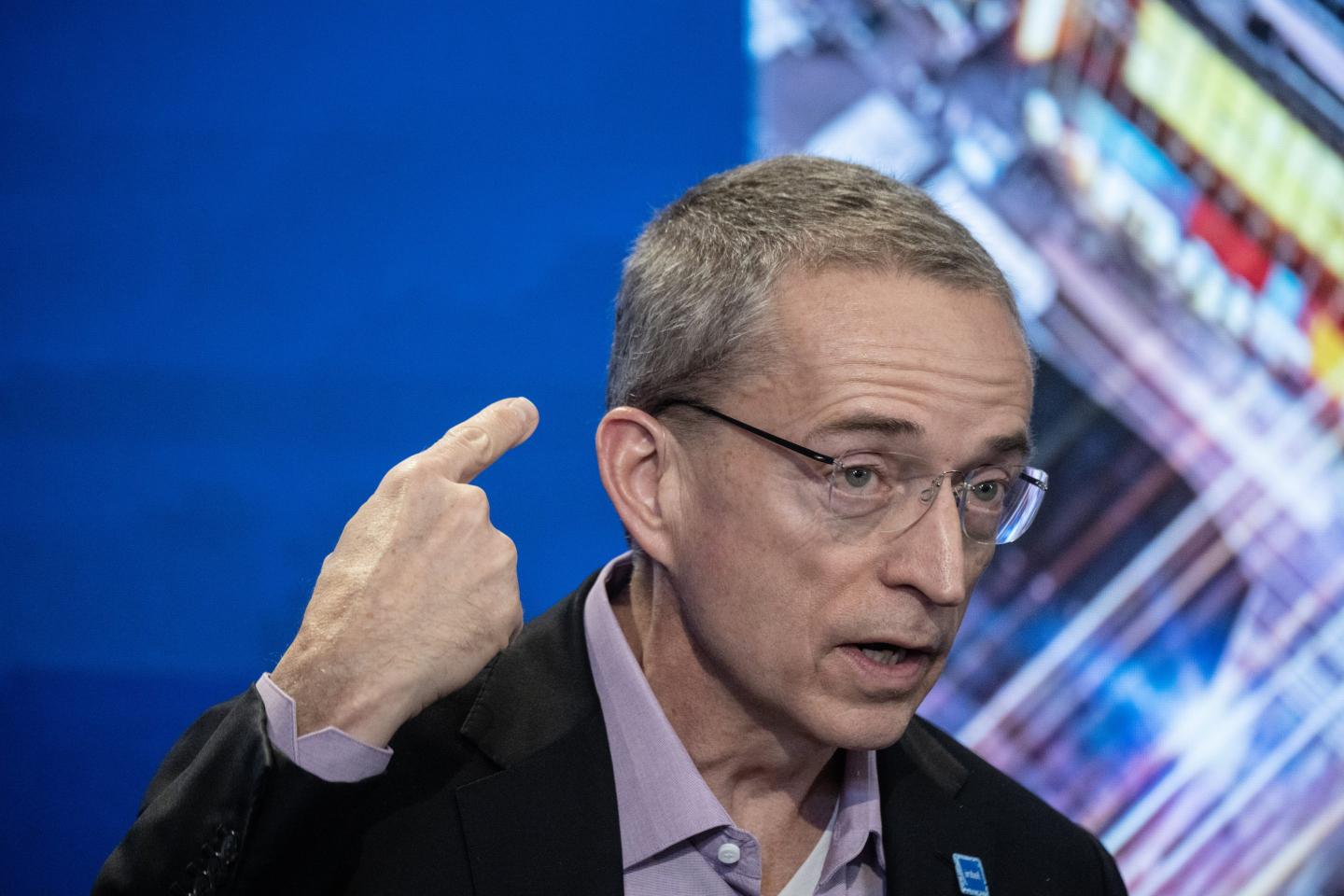
Pat Gelsinger and Naveen Rao argue that the AI revolution, despite widespread fears of job loss, will ultimately expand opportunity—a pattern consistent with every major technological shift in history. Their perspective, forged through decades in tech and rural American roots, reframes disruption as a catalyst for new kinds of work.
What Happened
The AI transition has compressed what once took generations into just a few years, triggering panic among workers concerned about replacement. Historical parallels—from the Industrial Revolution to the Luddite movement—show that every significant innovation initially displaces specific roles before generating entirely new categories of employment. At Intel, robot dogs now handle chemical leak checks, allowing safety technicians to transition into fleet management roles that are safer and more engaging. Similarly, Naveen Rao’s startup designed a chip in six months without a dedicated engineering team, demonstrating that AI does not reduce the need for engineers but expands what a small group can attempt. In professional racing, AI-driven data analysis doubled team sizes by delivering real-time insights, and in emergency dispatch, AI translates multilingual calls instantly without replacing the human operator. These examples underscore a consistent theme: AI functions best as an augmentation tool, handling dangerous or repetitive tasks so humans can focus on higher-value work.
Why This Matters
With over 11,000 Americans turning 65 daily and birth rates declining across the developed world, the workforce is shrinking just as demand grows in healthcare and hands-on trades. AI is stepping into gaps where it can augment—transcribing multilingual emergency calls, optimizing workflows—but it cannot replace the human touch in caregiving or skilled labor. Labor shortages in construction and healthcare are outpacing chip shortages, and AI is lowering barriers to entry, enabling rapid prototyping that empowers a new wave of entrepreneurs. The result is not a static job market, but an expanding one, where the limit on innovation is no longer capital or code, but imagination.
Key Takeaways
- Every major technological shift in history has created more jobs than it eliminated, and the AI revolution is on the same trajectory.
- AI functions best as an augmentation tool, handling dangerous or repetitive tasks so humans can focus on higher-value work.
- Demographic shifts—aging populations, falling birth rates—are driving real labor shortages in healthcare and trades, not AI replacement.
- Lowering technical barriers means more people can innovate, start businesses, and hire others, exponentially widening the job market.
- The future of work is not about protecting a romanticized past, but building systems where humans and AI coexist to create more, better, and more interesting jobs.
Conclusion
Gelsinger and Rao warn against clinging to a romanticized past when navigating the AI transition. The real risk is not that work will disappear—it is that Americans may waste the next decade defending old models instead of embracing the exponentially growing opportunities ahead. When the supply of creation becomes easier, demand expands, and entirely new job titles will emerge that none of us can predict today. The goal is not to preserve the way things were, but to ensure the next generation inherits a world where they can build, innovate, and work in ways we are only beginning to imagine.


Discussion
Join the conversation
Thoughtful reactions, questions, and follow-up ideas help shape the next story.