Introduction
When Black Lake Technologies chief Yuxiang Zhou matched an artificial intelligence coach against his top human mentor, the outcome surprised even the company's leadership. A decisive majority of the firm's most veteran sales representatives threw their support behind the machine's recommendations, suggesting AI could rival seasoned intuition in guiding client conversations.
What Happened
The trial grew out of frustration with customer relationship management tools that condensed a full day of client exchanges into a single subjective summary for later perusal. To test an alternative, the outfit equipped sales staff with wearable trackers that captured dialogue and movement patterns. Those inputs fed into an AI coach trained to interpret recurring themes and propose next steps. When the results were tallied, a clear preference emerged for the algorithm's input over traditional manager feedback. Zhou observed that while automated systems lack emotional range, they can process interaction data without the exhaustion or prejudice that sometimes clouds human assessment.
Why This Matters
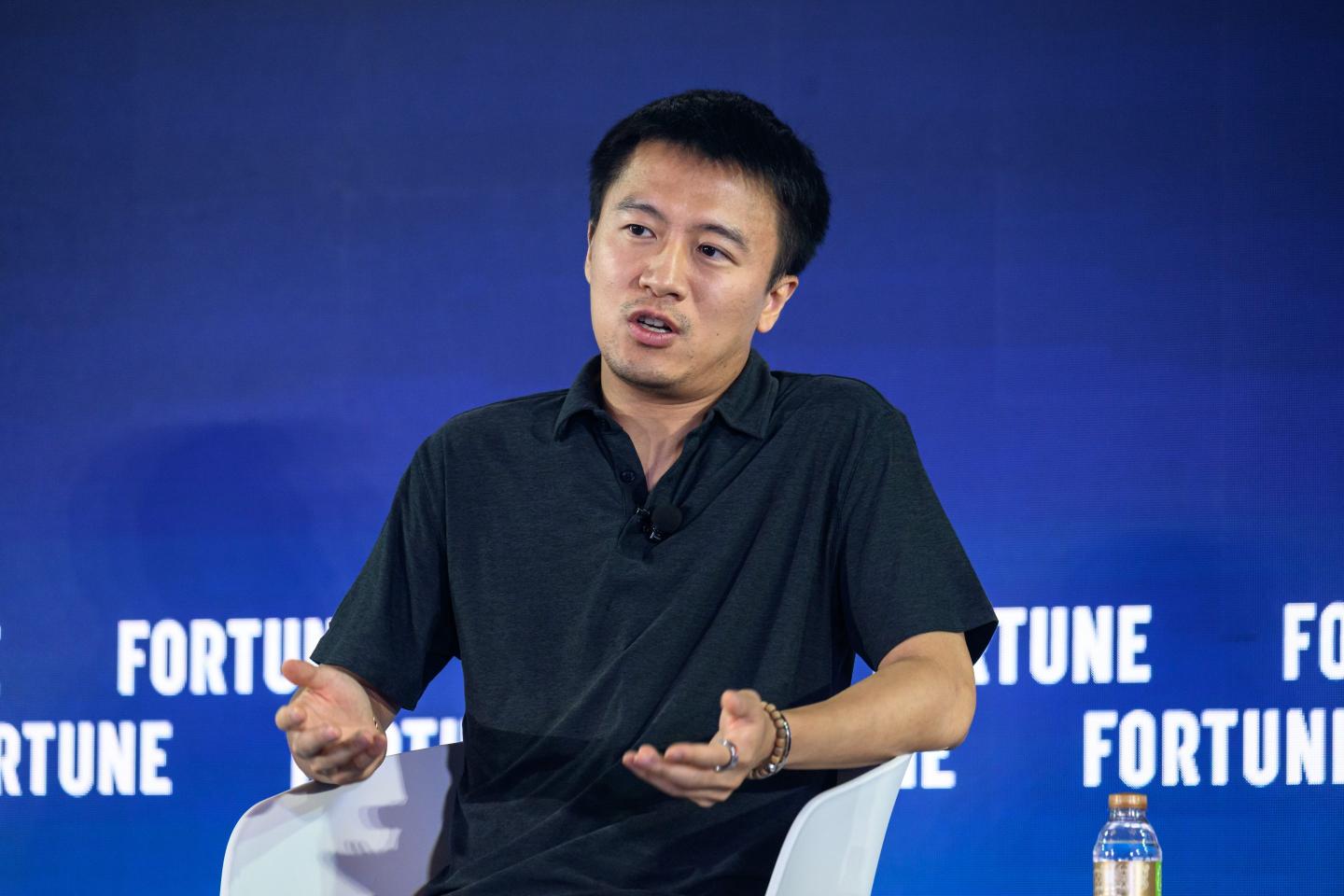
Zhou joined two other industry voices at the Fortune Leaders Forum in Macau to debate how chief roles must shift when artificial intelligence takes on reasoning and execution duties. One speaker argued that arriving first no longer secures lasting advantage, proposing the comb-shaped professional—someone with deep mastery across several fields who can fluidly transition between them. Another framed the evolution as a move from giving orders to conducting an orchestra, noting his firm has stopped asking how technology can trim costs and is now reimagining its entire service model. Across the discussion, participants converged on a single point: the real hurdle isn't technical capability but human readiness, from staff adoption to customer acceptance. The technology might work, but the organization's preparedness is the deciding factor, cultural adaptation will dictate whether AI becomes a force multiplier or a missed opportunity.
Key Takeaways
- AI can outsell human coaches. Seven of ten senior salespeople at Black Lake voted for the AI agent's recommendations, suggesting data-driven guidance can rival experienced human intuition.
- Human motivation remains irreplaceable. Zhou emphasized that while AI can process and recommend, the emotional drive and morale-boosting role of a human leader cannot be automated.
- Trust is the true constraint. Panelists from IDEO and Wipro emphasized that technological capability alone isn't enough; organizations must invest in the trust journey to successfully integrate AI.
- Leadership is shifting from direction to orchestration. Arnett's transition at Wipro reflects a broader move toward framing executives as conductors of AI-driven processes rather than sole decision-makers.
- The Google moment is still pending. Zhou is waiting for an inflection point where AI does not just assist but restructures entire industries, rather than simply replacing human roles.
Conclusion
The Black Lake experiment offers a glimpse into a future where AI and human expertise coexist in the sales function, each earning its place based on the task at hand. As Zhou and his fellow panelists emphasized, the goal isn't to choose between man and machine, but to design systems where both thrive. Whether the much-anticipated Google moment for AI arrives tomorrow or years from now, one thing is clear: how leaders adapt today will shape whether their organizations lead or lag in the years ahead.



Discussion
Join the conversation
Thoughtful reactions, questions, and follow-up ideas help shape the next story.