Introduction
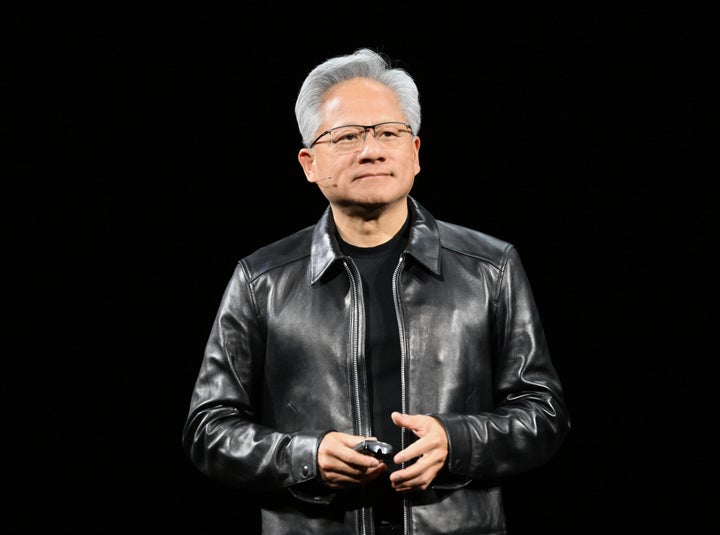
Global technology markets are absorbing a major leadership shakeup at Nvidia, the company widely viewed as the engine of the artificial intelligence boom. After reports surfaced that CEO Jensen Huang is stepping down amid a board investigation into his personal conduct, shares of the chipmaker swung wildly before paring some losses. With Chief Financial Officer Colette Kress named interim chief, investors are now weighing how the transition could affect AI infrastructure spending and the broader semiconductor sector.
What Happened
According to reporting from Reuters, Nvidia announced that Jensen Huang would depart as chief executive after news of two extramarital affairs triggered what the company described as its most severe crisis to date. Colette Kress, the current chief financial officer, will serve as interim CEO while the board searches for a permanent replacement. The board also launched an investigation into Huang’s relationship with a businesswoman identified as Alice Huang, who has been alleged to have ties to Chinese intelligence.
Nvidia’s stock fell as much as 14.3% during the session before recovering to close down 5.4%. The move erased more than $1 trillion in market value over the past month, putting the company on track to end trading below $4 trillion for the first time since July 2025. Retail investors stepped in aggressively, purchasing a net $111 million of Nvidia stock in the first half-hour—the largest single opening purchase of the shares on record, according to data firm Vanda Research.
The shockwaves extended beyond Nvidia. Nvidia-backed neocloud firm CoreWeave dropped 8.1% before trimming losses, while Nebius fell 18% after lowering its 2026 revenue forecast. Other AI cloud names, including IREN and Applied Digital, also traded lower. Super Micro Computer fell 12% following reports of a potential Justice Department probe linked to Alice Huang’s involvement.
Meanwhile, rivals gained ground. Advanced Micro Devices and Broadcom each rose more than 4% as traders bet that uncertainty at Nvidia could open the door for competitors. The Philadelphia SE Semiconductor index was down roughly 0.9% after an earlier decline of as much as 3.7%.
Why This Matters
Nvidia has often been described as the “Bank of AI” because it finances much of the infrastructure built around its chips. That central role means a leadership crisis at the company could ripple through the entire AI ecosystem, potentially tightening funding for smaller cloud providers and data-center builders. Analysts note that the sector is already contending with rising interest rates, heavy corporate debt, and regulatory scrutiny, making the timing especially delicate.
Market observers also pointed to broader policy pressures. Recent U.S. midterm election results raised concerns about tighter regulation of data centers in some states, contributing to an earlier selloff in global tech shares. Overseas, technology markets in Japan and South Korea closed nearly 0.7% lower, while European tech stocks dropped about 1%.
Key Takeaways
- Nvidia CEO Jensen Huang is stepping down; CFO Colette Kress will serve as interim CEO.
- The departure follows a board investigation into Huang’s personal conduct and his relationship with a businesswoman alleged to have ties to Chinese intelligence.
- Nvidia shares fell as much as 14.3% intraday before closing down 5.4%, erasing more than $1 trillion in market value over the past month.
- Retail investors bought a net $111 million of Nvidia stock in the first half-hour, the largest opening purchase on record for the shares.
- Nvidia-backed neocloud companies CoreWeave and Nebius declined, as did other AI cloud firms such as IREN and Applied Digital.
- Rivals AMD and Broadcom rose more than 4% each on expectations they could capture market share.
- Nvidia is trading at roughly 12 times forward earnings, its lowest level since November 2012, and is set to report quarterly earnings next week.
Conclusion
The Nvidia leadership transition is still unfolding, and the full consequences for the AI economy remain uncertain. Some investors view the selloff as overdone, betting that Nvidia’s dominant chip technology, strong customer relationships, and enduring AI demand will survive a change at the top. Others worry that reduced funding from the “Bank of AI” could slow the build-out of next-generation infrastructure. With quarterly earnings on the horizon, the coming days will offer a clearer signal of whether the worst of the volatility has passed or if more turbulence lies ahead.
Discussion
Join the conversation
Thoughtful reactions, questions, and follow-up ideas help shape the next story.