Introduction
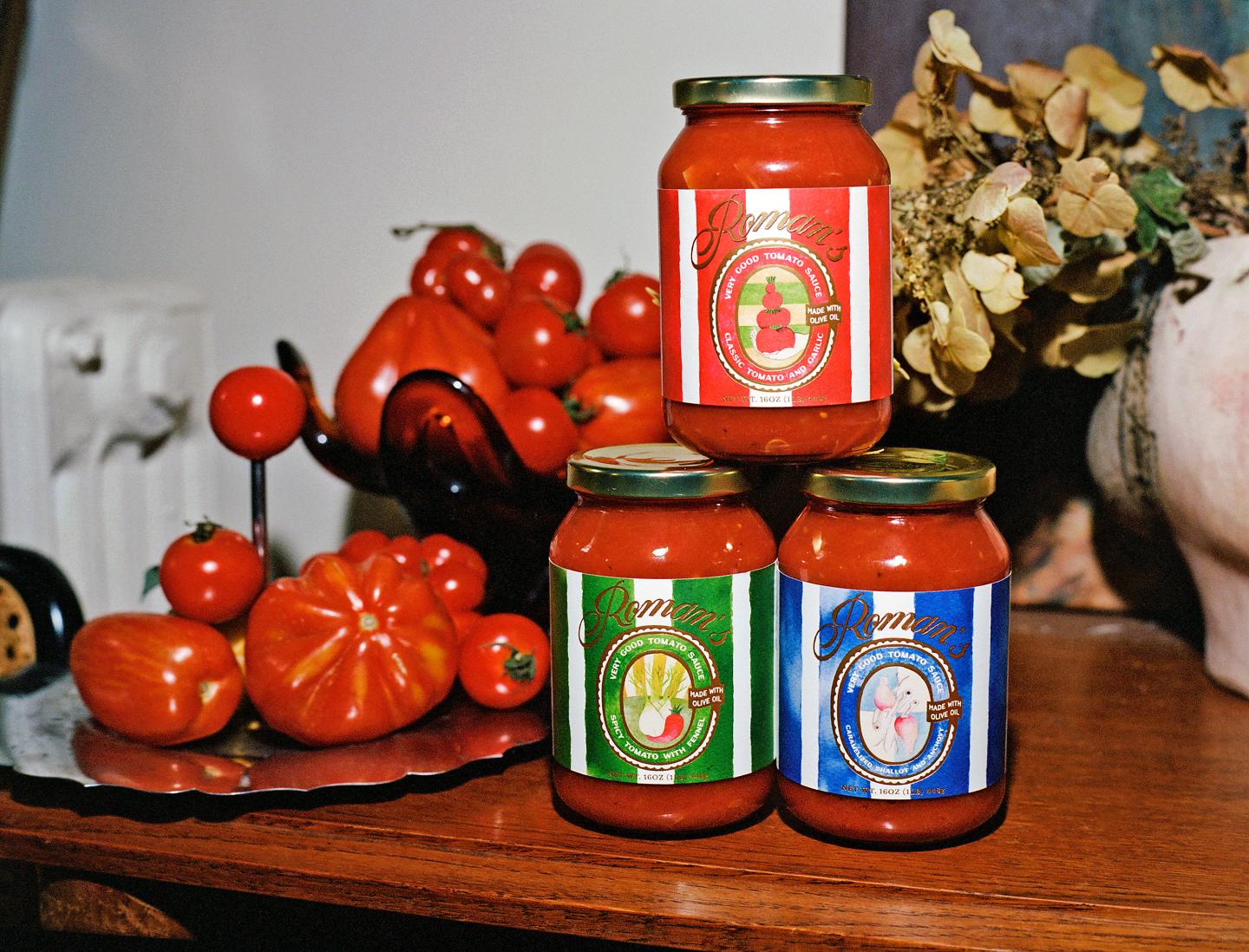
Food writer Alison Roman has spent years building a devoted following through cookbooks, viral recipes, and a popular newsletter. Now she is testing whether that audience will pay a premium for a jarred tomato sauce. Priced at $12.99, the product—recently renamed Roman’s—has already sold out multiple times since its October relaunch.
What Happened
Roman first introduced the sauce last autumn under the name A Very Good Tomato Sauce, selling it through her website and at First Bloom, her grocery in the Catskills. The October 21 relaunch introduced the Roman’s name and began distribution to independent retailers nationwide through Faire, a wholesale marketplace that connects roughly 100,000 brands with about 500,000 shops. The line is now available in more than 100 stores across 30 states.
Roman is financing the venture herself rather than seeking venture capital. A second First Bloom location is set to open in Brooklyn this December. Demand has outpaced supply so far, with the first online batch disappearing within 24 hours and a subsequent release selling out again.
Why This Matters
The price point puts Roman’s sauce above well-known premium competitors such as Rao’s, which typically retails around $8. Roman acknowledges the cost may discourage some shoppers, but she argues the product justifies it through small-batch cooking, sliced garlic rather than chopped, and hands-on labor in kettles. She hopes economies of scale will eventually bring the price down.
Beyond the sauce itself, the move illustrates how established food personalities are turning personal trust into physical products. Roman said she can only write so many books or develop so many recipes alone, but putting sauce in stores lets her work with designers, operations staff, and producers to reach more customers.
Key Takeaways
- Roman’s tomato sauce costs $12.99 per jar and has sold out repeatedly since its October 21 relaunch.
- The brand is distributed through Faire to independent stores in over 30 states.
- Roman is self-funding the business and plans a second First Bloom grocery in Brooklyn this December.
- She attributes the premium price to small-batch production and labor, not just branding.
- Initial online inventory sold out in a day, and restocks have also disappeared quickly.
Conclusion
Roman’s experiment raises a broader question about whether internet-famous cooks can translate digital trust into shelf-space success. For now, the evidence suggests curious shoppers are willing to reach for a pricier jar if they believe it offers something different. Whether production can keep up with demand remains the next challenge.
Discussion
Join the conversation
Thoughtful reactions, questions, and follow-up ideas help shape the next story.