Introduction
For centuries historical texts have described a system of physical penalties in imperial China that included nasal amputation as a prescribed punishment. Yet until recently no archaeological remains confirmed that this practice actually occurred. A new study published in the Journal of Archaeological Science Reports changes that presenting the first physical evidence of nasal amputation in ancient China.
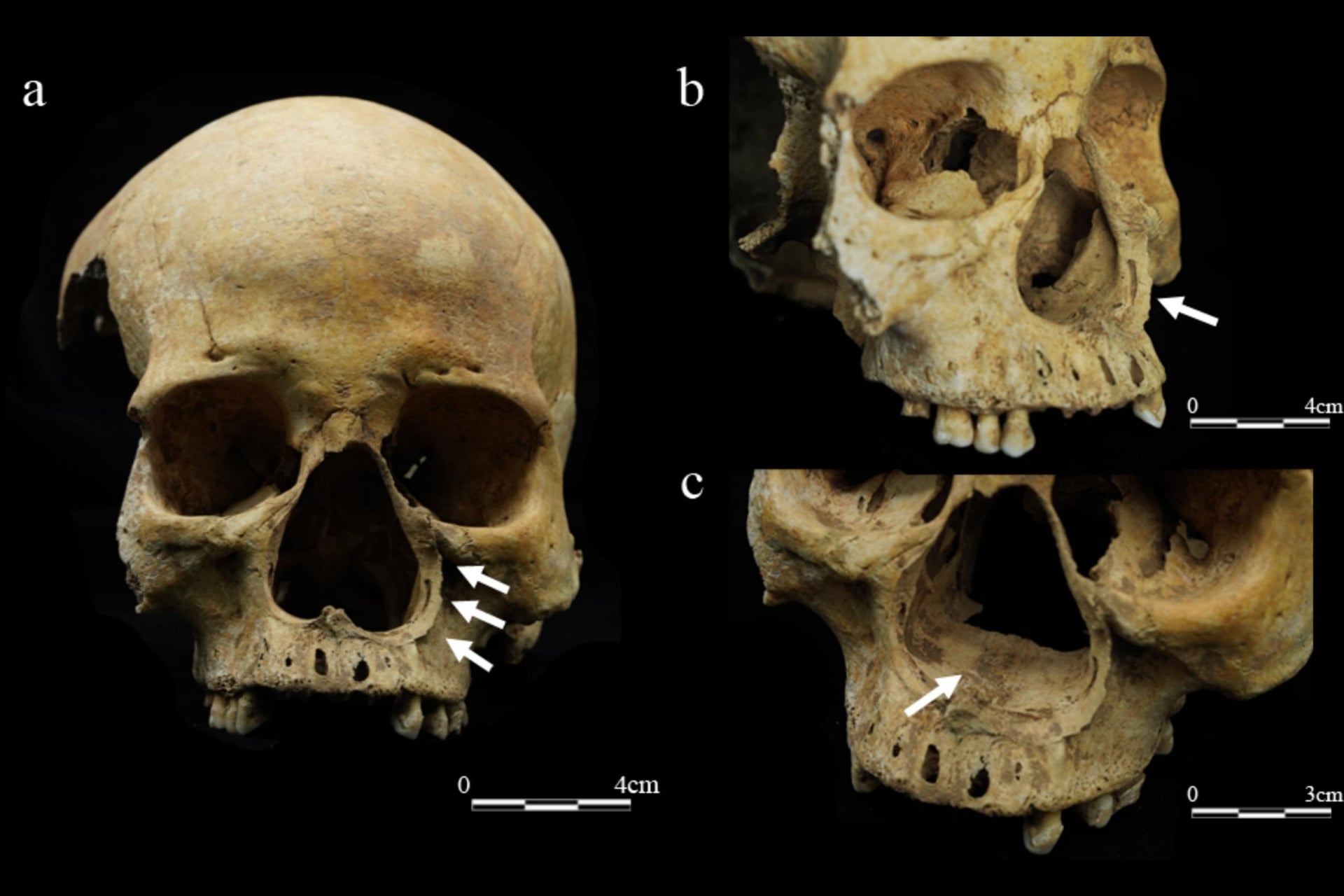
In 2018 Chinese archaeologists excavating an ancient cemetery in Sanmexia Henan Province uncovered a female burial that stood out from the rest. The skeleton was interred face down and the facial bones showed clear signs of damage and healing around the nose area. Researchers determined the injuries occurred while the individual was alive indicating her nose had been intentionally removed as part of a punitive measure. The burial included only a single bronze hairpin and lacked any family or communal tomb markers suggesting she was buried separately possibly as a cast-out individual after death.
According to the study the Five Punishments documented in records dating back to 2070 BCE included nasal amputation among other penalties such as tattooing foot mutilation emasculation and execution. The specific offense that warranted nose removal varied by dynasty and could include theft of livestock desertion or embezzlement.
What Happened
In 2018 a team of Chinese archaeologists excavating an ancient cemetery in Sanmexia Henan Province uncovered a female burial that stood out from the rest. The skeleton was interred face down and the facial bones showed clear signs of damage and healing around the nose area. Researchers determined the injuries occurred while the individual was alive indicating her nose had been intentionally removed as part of a punitive measure. The burial included only a single bronze hairpin and lacked any family or communal tomb markers suggesting she was buried separately possibly as a cast-out individual after death.
According to the study the Five Punishments documented in records dating back to 2070 BCE included nasal amputation among other penalties such as tattooing foot mutilation emasculation and execution. The specific offense that warranted nose removal varied by dynasty and could include theft of livestock desertion or embezzlement.
Why This Matters
This discovery bridges a long-standing gap between written records and physical evidence. While ancient Chinese texts have long mentioned nasal amputation as a sanctioned punishment historians and archaeologists previously lacked concrete proof. The find also joins a broader pattern of corporal punishment across early civilizations though China's system was uniquely codified and persistent lasting at least through the Yuan and Ming dynasties.
Furthermore the skeletal evidence of healing and bone spur formation around the nasal openings suggests the individual received some form of post-punishment care. Researchers believe this may have included efforts to control bleeding prevent infection and increase survivability reflecting a complex approach to managing punished individuals even within a harsh justice system.
Key Takeaways
- The 2018 Sanmexia cemetery excavation provides the first known archaeological confirmation of nasal amputation as a Chinese punitive practice.
- Historical records describing the Five Punishments date back to 2070 BCE but physical evidence has been exceedingly rare.
- The buried woman was interred face down with minimal grave goods supporting the interpretation that she was socially excluded even in death.
- Healing patterns on the bones indicate she survived the procedure possibly with medical attention aimed at reducing infection and pain.
- Researchers note the finding is unique; without additional comparable skeletons precise details of the procedure and aftercare remain difficult to confirm.
Conclusion
The unearthing of a single skeleton in Henan Province does more than validate ancient texts it humanizes a facet of imperial justice that has long existed only on paper. As archaeologists continue to screen more remains for trauma and disease further discoveries may illuminate the full scope of how ancient societies administered punishment cared for the punished and recorded their laws. For now this finding stands as a rare tangible link between China's written history and the physical reality of its past.



Discussion
Join the conversation
Thoughtful reactions, questions, and follow-up ideas help shape the next story.