Introduction
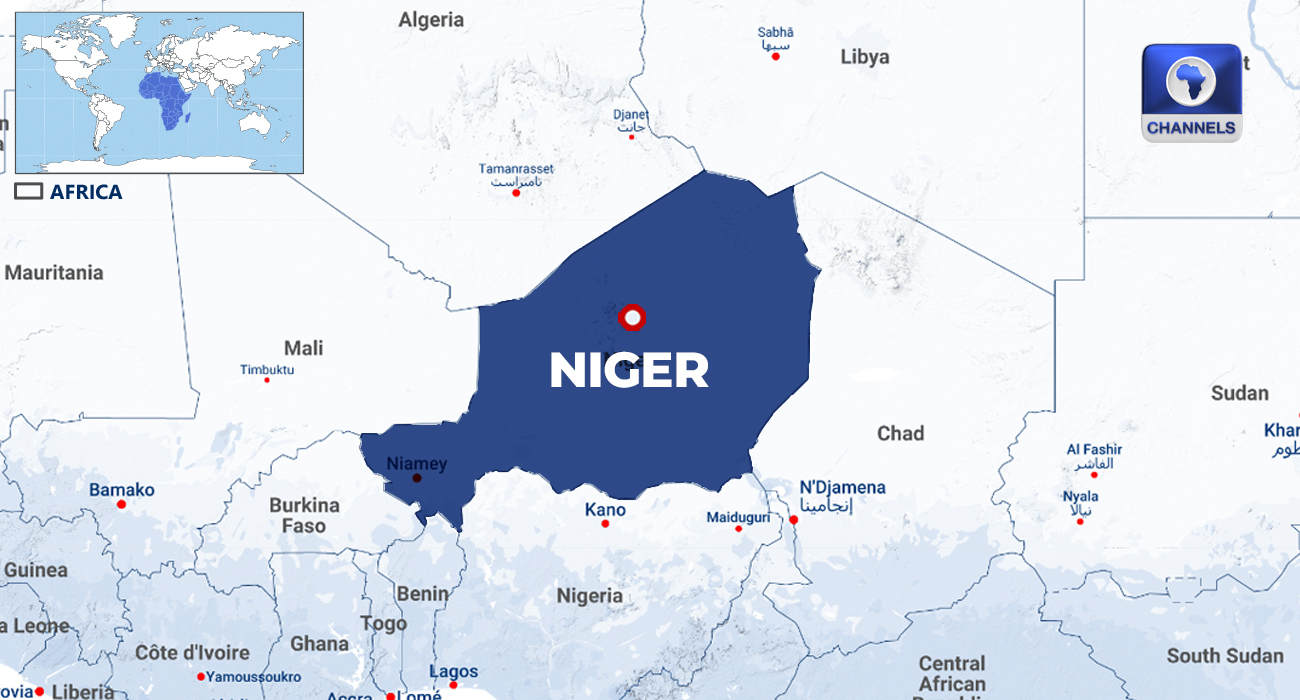
The northern Niger highway ambush resulted in at least 11 fatalities and left several others injured, according to local reports and eyewitness accounts.
What Happened
According to Tegades TV and on-the-ground sources, the buses had departed the mining town of Arlit Tuesday morning en route to Agadez. Gunmen aboard three vehicles intercepted the convoy on the main northern road, opening fire on the passengers. Soldiers escorting the convoy returned fire, engaging the attackers. A passenger described the moment, stating, 'We were on our way to Agadez when we ran into bandits who opened fire on us,' and showing a shoulder wound. An Agadez resident later confirmed the incident to AFP.
Why This Matters
The attack highlights the precarious security situation in Niger's arid north, a region that has largely avoided the jihadist violence seen elsewhere but remains a key transit point for drugs, weapons, and migrants heading toward Europe. The area is also home to armed groups hostile to the military junta that seized power in the 2023 coup ousting President Mohamed Bazoum, and has seen a surge in violence linked to wildcat gold mining operations. Local authorities and residents fear the incident may signal increased instability along vital transit corridors.
Key Takeaways
- At least 11 passengers killed and multiple others wounded in the Tuesday ambush.
- Buses were traveling from Arlit to Agadez when intercepted by gunmen on three vehicles.
- Escorting soldiers exchanged fire with the attackers, potentially reducing the death toll.
- The northern Niger region serves as a trafficking route for drugs, weapons, and migrants, and has seen rising violence tied to illegal gold mines.
- The attack occurs amid ongoing tension following the 2023 coup that removed President Mohamed Bazoum.
Conclusion
As Niger continues to grapple with complex security challenges, the latest bus attack underscores the urgent need for enhanced protection on northern highways and sustained international attention on the Sahel region. Survivors and witnesses hope the incident prompts stronger measures to safeguard civilians traveling between key mining and urban centers.




Discussion
Join the conversation
Thoughtful reactions, questions, and follow-up ideas help shape the next story.