Introduction
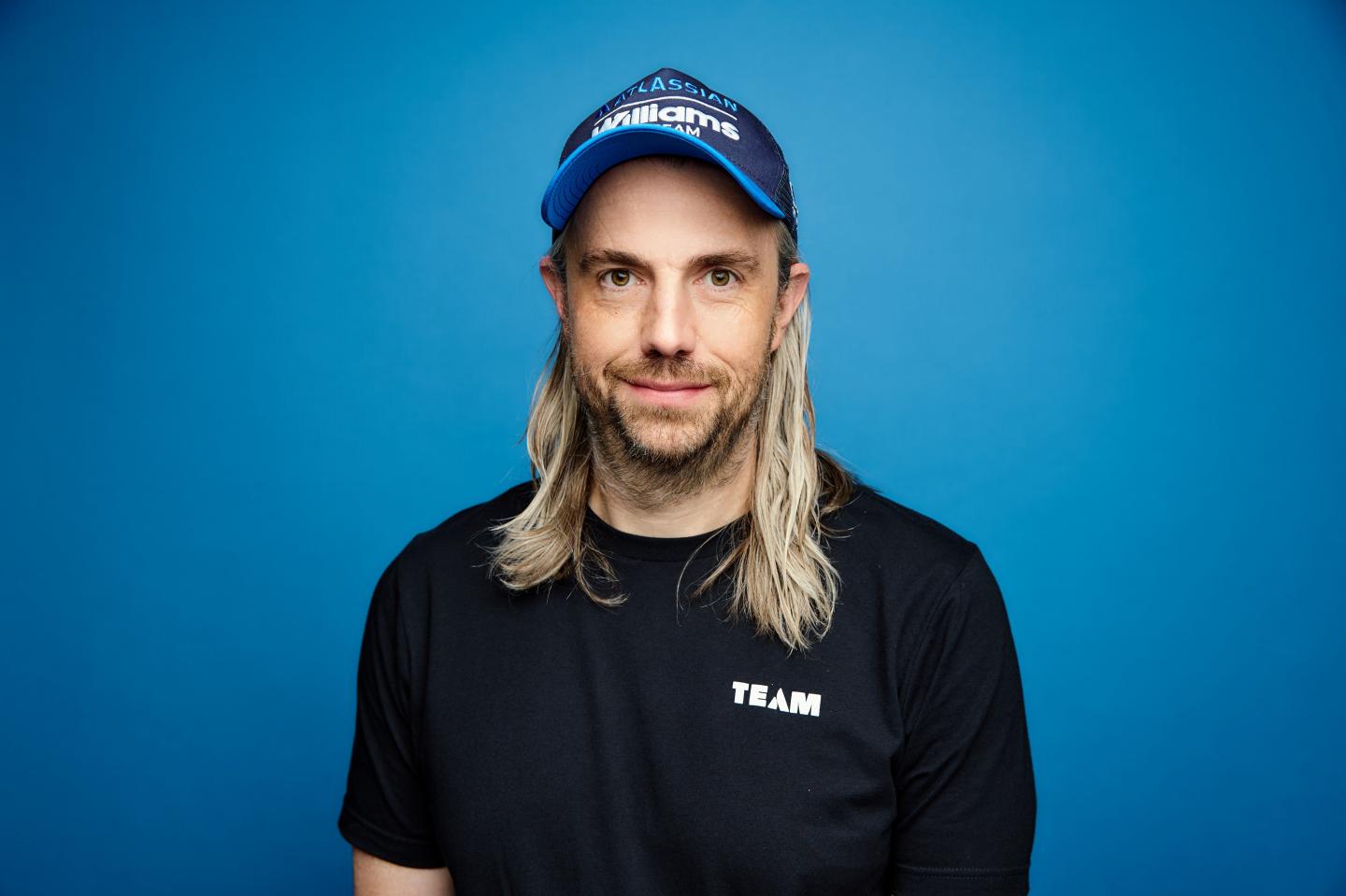
Atlassian co-founder Mike Cannon-Brookes is drawing a clear line against the AI did it culture that risks becoming a workplace crutch. As AI agents grow more common, he insists that ultimate responsibility must always trace back to the human user.
What Happened
On October 6, Atlassian unveiled its Agentic Multiplayer Protocol, a control plane designed to make AI agents visible and governed across all its platforms. The system assigns each agent a distinct profile and owner attribution, so edits appear in document history just like human contributions. As Cannon-Brookes emphasized, seeing who did what when is non-negotiable.
The rollout coincides with a wave of consumer-grade AI agents entering the market, including Meta's Muse and OpenAI's Dots. These systems are designed to make agentic operations invisible behind the scenes, but the Atlassian CEO warns this approach falls short in professional environments.
Why This Matters
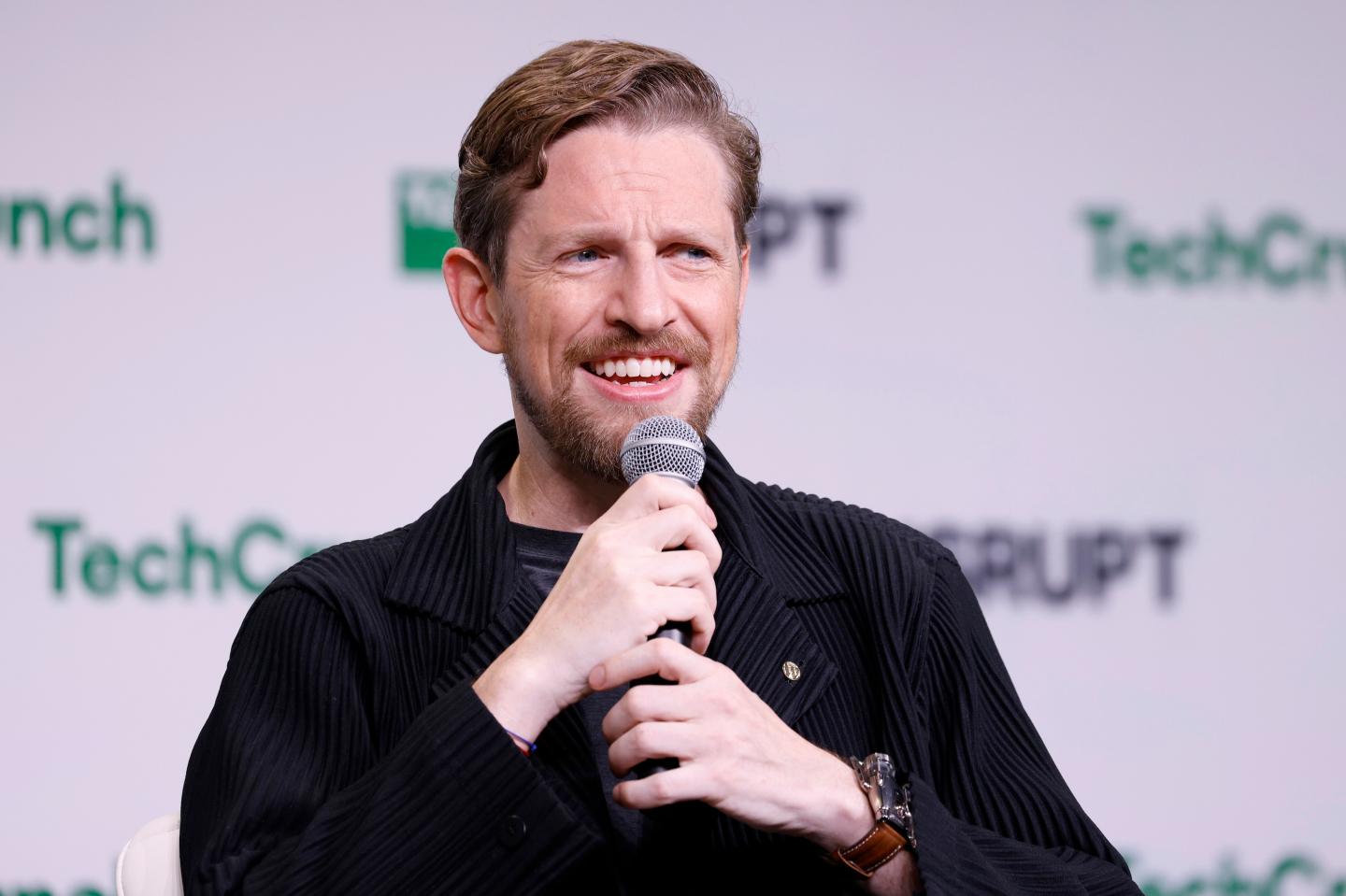
Cannon-Brookes highlights that in a workplace context, invisible AI agents create significant risks. When employees use company documents to generate charts or other outputs, sensitive information could leak if shared inappropriately. He notes that in a workplace, conversations around permissions, security, and compliance are constant. He also critiques current AI interfaces, saying most users stick to basic functions because advanced features remain too difficult to navigate—drawing a parallel to Microsoft Word, where removing the toolbar and leaving only keyboard shortcuts would leave everyone with plain-text documents that are hard to manage.
In response, Atlassian launched Rovo in 2024, an AI assistant designed to connect people, projects, code, and company knowledge across its platform and external tools, offering familiar design patterns and seamless integrations with services like Figma, Codex, and Claude.
Key Takeaways
- Accountability for AI-driven actions ultimately rests with the end user, not the technology.
- Atlassian's Agentic Multiplayer Protocol introduces visibility and attribution for AI agent edits across workspaces.
- Consumer AI agents prioritizing invisibility are ill-suited for regulated workplace environments.
- Security, permissions, and compliance must remain central when AI interacts with privileged company data.
- Rovo and future Atlassian tools focus on familiar, accessible interfaces to make advanced AI usable for all.
Conclusion
As AI agents shift from novelty to essential workplace tools, Atlassian is proving that governance and innovation can coexist. Cannon-Brookes' stance makes clear: the human operator remains responsible, and the technology must earn its keep by being transparent, secure, and easy to understand.








Discussion
Join the conversation
Thoughtful reactions, questions, and follow-up ideas help shape the next story.