Introduction
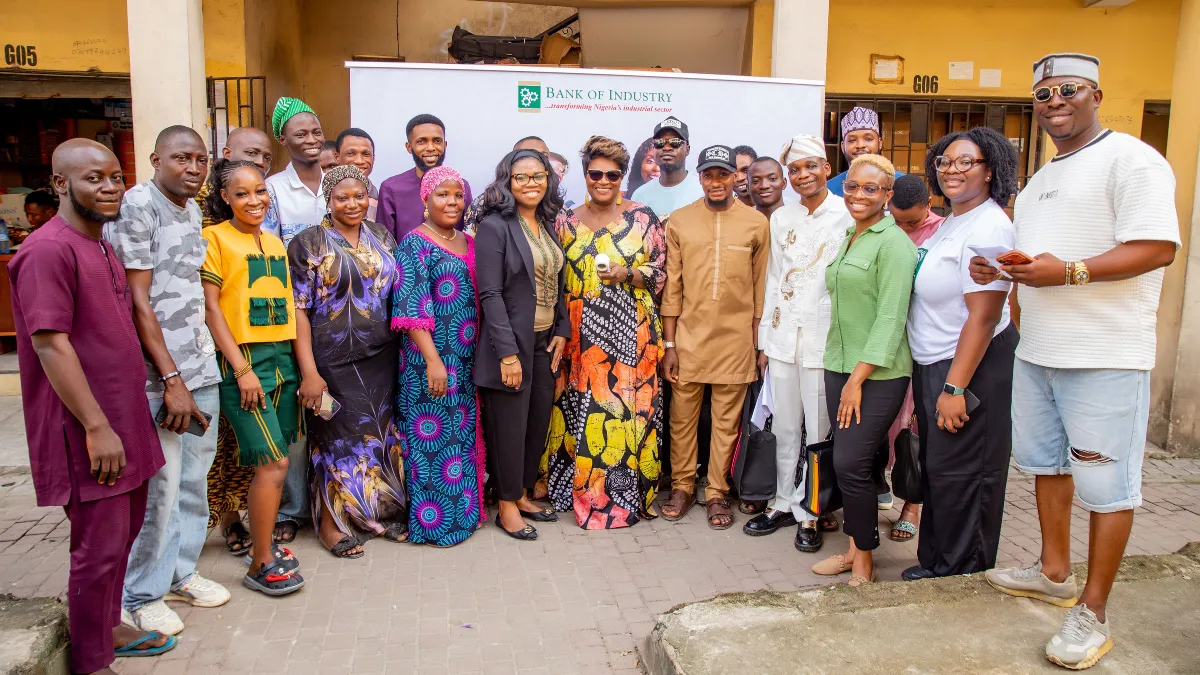
The Bank of Industry has delivered solar power systems to two fashion hubs on Lagos Island, aiming to solve a persistent problem for young clothing makers: unreliable electricity. The initiative targets 81 emerging tailors and designers who have struggled with high energy costs and frequent outages that disrupt their work.
What Happened
BOI officially handed over the installations at the Tinubu and Apongbon Fashion Hubs. Forty-five beneficiaries are based at Tinubu, while 36 operate from Apongbon. According to the Bank, the systems provide clean, affordable, and steady power for sewing machines, irons, and other equipment essential to daily tailoring operations. The project falls under BOI’s Youth and Skills focus area, which prioritizes practical support for young Nigerian entrepreneurs.
Why This Matters
Unreliable power has long forced fashion entrepreneurs to spend more on alternative energy and miss delivery deadlines. Mrs. Aderonke Akinluyi, who leads BOI’s Youth and Skills thematic area, explained that dependable electricity directly affects productivity, competitiveness, and the ability to earn a living. Adebayo Kafayat Adebukonla, secretary to the Lagos Island Artisans, noted that steady solar power is already helping hub members finish orders on time and build stronger trust with customers.
Key Takeaways
- 81 young fashion entrepreneurs receive support through the solar installation project.
- The Tinubu Hub serves 45 beneficiaries, and the Apongbon Hub serves 36.
- Reliable solar energy is expected to lower operating costs and reduce production delays.
- The intervention aligns with United Nations Sustainable Development Goals 7 and 8.
- BOI frames the effort as part of a broader strategy to build resilient youth-led enterprises.
Conclusion
By addressing energy access alongside skills and financing, the Bank of Industry is tackling one of the foundational barriers to small business growth in Nigeria’s fashion sector. For the young tailors at Tinubu and Apongbon, steadier power means fewer interruptions, lower expenses, and a clearer path toward sustainable enterprises that can contribute to the wider economy.
Discussion
Join the conversation
Thoughtful reactions, questions, and follow-up ideas help shape the next story.