Bathroom renovations often hinge on small details that make a big impact, and few elements are as transformative—or as risky—as tile choice. When trends surge, it’s tempting to jump on the latest look, but not every fashionable finish stands the test of time. A panel of interior designers recently flagged five tile styles that may already be signaling an early expiration date, prompting homeowners to reconsider before committing to a full-scale renovation.
Introduction
Designers agree that the tile you choose today should feel fresh years from now, not like a relic of the current decade. With bathroom makeovers ranking among the most expensive home updates, avoiding trends that quickly fade is both a financial and aesthetic priority.
What Happened
Designers flag five tile trends that may date a bathroom sooner than expected. First, 12×24 oversized tiles have become the default field tile for many projects, praised for versatility but criticized for being overly pervasive. Lisa Simopoulos of Simopoulos Designs notes that because these tiles are everywhere, they risk becoming a defining—and eventually dated—look of the mid‑2020s.
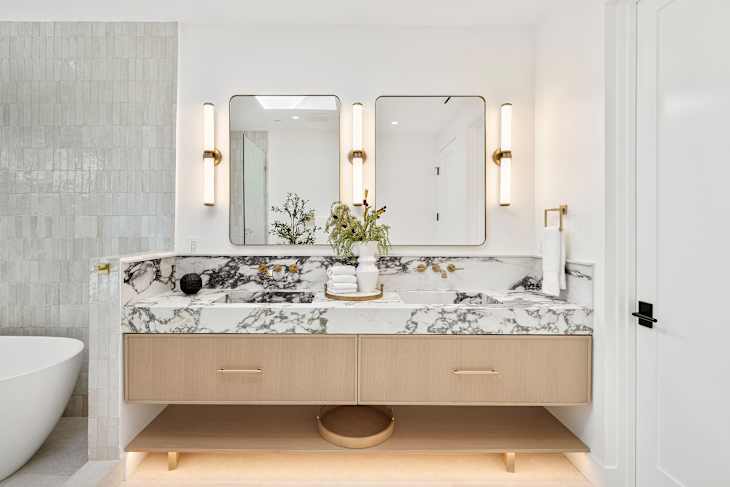
Zellige tiles, known for their handmade, imperfect finish and rustic charm, have become ubiquitous in modern interiors. While beautiful, their porous surface makes them higher‑maintenance, and Simopoulos predicts many homeowners will eventually replace them for easier upkeep.
High‑contrast hex tiles—particularly tiny glossy white versions paired with dark grout—are showing signs of age. Sonia Chauhan of Marble & Marigold points out that the busy grout lines and outlet clutter make the space feel louder than intended, and the look is already feeling of‑the‑moment.
Patterned floor tiles, especially farmhouse‑inspired geometric designs, have grown popular in modern and traditional homes alike. Chauhan warns that bold, high‑contrast patterns can fight with cabinetry and quickly grow tiresome, plus they show wear at traffic lanes and grout lines.
Finally, designers caution against any faux finishes—faux wood, faux stone, or faux cement. Megan Mays of Ravenhouse Interior Design explains that while these materials often offer durability and easier maintenance, they lack the depth, texture, and warmth of real materials, and that lack of authenticity tends to show over time.
Why This Matters
Choosing tile isn’t just about current style; it’s about long‑term satisfaction and value. A bathroom renovation can cost thousands, and re‑tiling soon after installation adds unexpected expense and disruption. Trends that feel fresh today may become visual shorthand for a specific era, making a space feel outdated and reducing overall appeal. Designers emphasize that thoughtful, timeless choices often outlast fleeting fads while still allowing personal expression through accents rather than permanent surfaces.
Key Takeaways
- Large‑format tiles like 12×24 are practical and versatile but risk feeling overused; consider them as a backdrop rather than the sole design driver.
- Zellige and other handmade tiles add character but require extra care; weigh the aesthetic payoff against maintenance demands.
- Hex tile installations should favor low‑contrast grout to soften the look and avoid a dated, high‑contrast silhouette.
- Patterned floors make a statement but can quickly become visually exhausting; balance with solid‑colored walls and fixtures.
- Faux‑finish tiles often sacrifice authenticity for durability; real materials generally age more gracefully and elevate the space’s overall feel.
Conclusion
Bathroom tile trends come and go, but a well‑considered choice pays off in comfort, style, and resale value. By prioritizing materials and patterns with lasting appeal, and reserving trend‑driven elements for easily changeable accents, homeowners can create a space that feels current today and remains inviting for years to come.



Discussion
Join the conversation
Thoughtful reactions, questions, and follow-up ideas help shape the next story.