Introduction
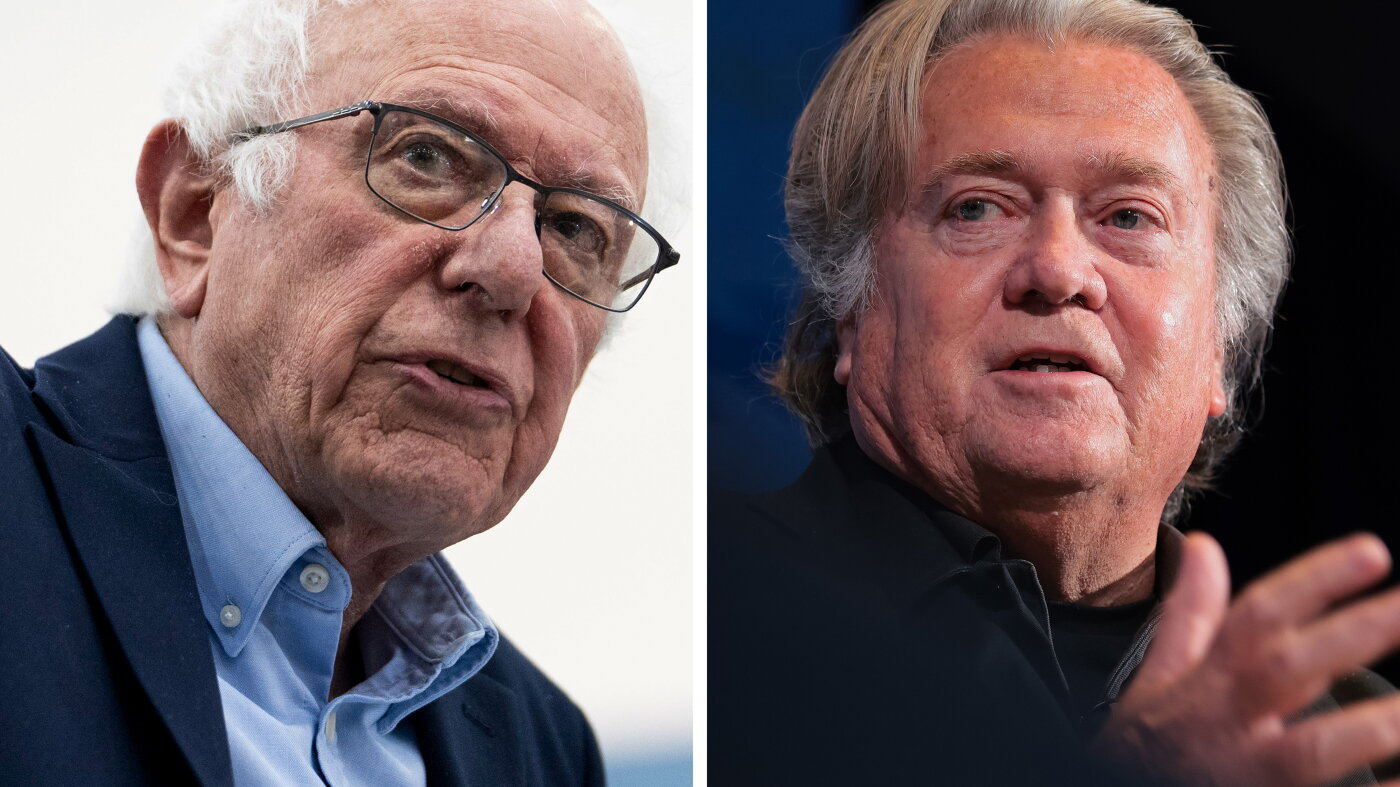
Unlikely political allies Senator Bernie Sanders and Steve Bannon are joining forces at a Washington, D.C. event to push for stricter artificial intelligence oversight. The Pro-Human Assembly brings together voices across the spectrum as AI development accelerates.
What Happened
The Future of Life Institute's Pro-Human Assembly convened on Tuesday, featuring Senator Bernie Sanders and former Trump White House adviser Steve Bannon alongside a diverse coalition of speakers. The all-day event aims to urge Congress to move faster on AI governance, drawing on 33 principles designed to keep humans in control. Alongside the political figures, the lineup included actress Ashley Judd, actor Joseph Gordon-Levitt, religious leaders, and families who lost loved ones to AI chatbot-related tragedies.
The gathering included demonstrations of concerns over data center expansion and the environmental toll of rapid AI growth.
Why This Matters
The partnership between a progressive senator and a conservative strategist highlights how artificial intelligence has become a rare bipartisan concern. While some policymakers have championed AI growth and data center expansion, arguing the U.S. must outpace China, lawmakers and advocacy groups are pushing for safeguards against risks ranging from energy cost spikes to personal safety. The House is set to vote on legislation shielding Americans from rising electricity bills tied to new data center construction, and industry leaders including Anthropic and OpenAI CEOs have recently called for a temporary slowdown in AI development.
Key Takeaways
- The Sanders-Bannon alliance signals a widening coalition focused on maintaining human agency over rapidly advancing AI.
- The Future of Life Institute's 33 principles frame the debate around accountability, liberty, and human control.
- Industry leaders have publicly urged pauses in AI advancement, citing safety and societal risks.
- Congressional action, particularly the upcoming vote on data center energy costs, reflects voter-driven pressure to balance innovation with affordability.
- High-profile speakers from entertainment, religion, and child safety advocacy are bringing personal narratives into the policy conversation.
Conclusion
As AI capabilities accelerate, the unusual partnership between Sanders and Bannon illustrates that calls for restraint and oversight are crossing traditional political lines. Whether through congressional legislation, industry self-regulation, or public advocacy, the coming weeks will reveal whether this momentum translates into concrete policy outcomes. Readers watching the intersection of technology, energy, and civil rights should monitor the Ratepayer Protection Act vote and any further statements from the participants.



Discussion
Join the conversation
Thoughtful reactions, questions, and follow-up ideas help shape the next story.