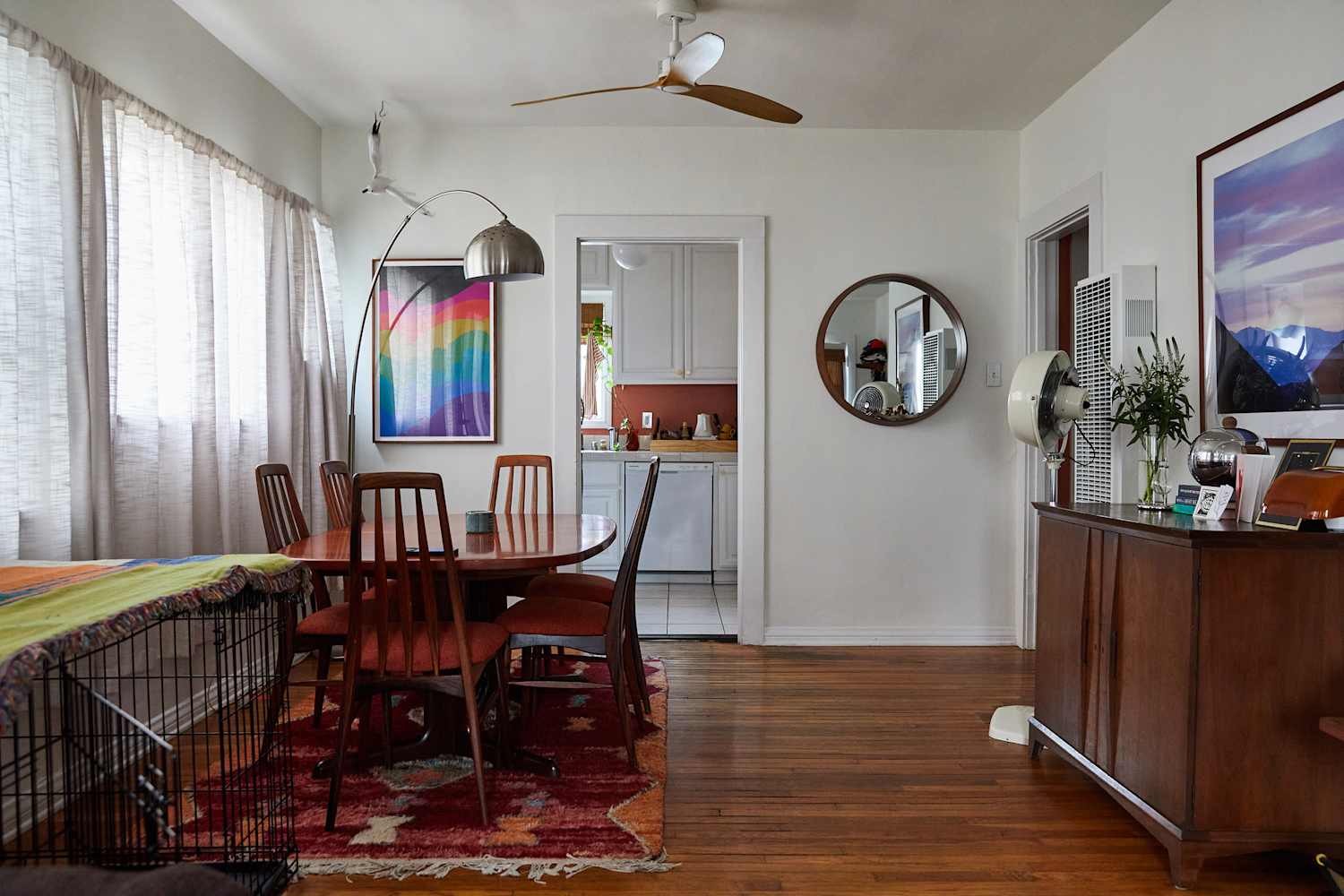
Introduction
Living in a studio or compact apartment often means the kitchen, living room, and dining zone share the same open footprint. A full-size dining table can dominate the room, yet hosting even a few friends becomes nearly impossible without enough seating. Extendable dining tables solve this problem by staying compact day-to-day and expanding when extra guests arrive. This guide rounds up twenty space-conscious options, from drop-leaf bistro tables to butterfly-leaf designs, so you can find a piece that fits your floor plan and your entertaining needs.
What Happened
Apartment Therapy editors and shopping writers researched twenty extendable dining tables suited for cramped dining areas. The selection includes drop-leaf models that tuck against a wall, tables with removable drop-in leaves, and self-storing butterfly leaves that open in seconds. Interior designer Kristina Phillips offered guidance on what to check before buying: matching wood grain across the table and leaf, a stable base with center support when needed, built-in leaf storage, and smooth hardware such as ball-bearing slides or precision gears. Standout picks include the Rowe Drop Leaf Bistro Table for tight corners, the Holme drop-leaf table that expands to seat six, the Folsom round table with built-in storage drawers, and the Transformer Table, which can grow from a two-seater to a twelve-seater.
Why This Matters
Square footage is at a premium in many urban homes, and dedicating permanent space to a large dining table is often impractical. An extendable table lets residents eat comfortably for two on ordinary nights while accommodating six, eight, or more for dinner parties and holidays. Choosing the right mechanism and finish also means the table won't look mismatched or wobbly when opened, making it a long-term investment rather than a temporary workaround.
Key Takeaways
- Measure your space and consider both the compact and fully extended dimensions before buying.
- Look for leaves that store inside the table to avoid finding a separate storage spot.
- Prioritize smooth, one-person operation with quality hardware like ball-bearing slides.
- Check that the table base can support the full extended length without bowing.
- Match the leaf grain to the main tabletop for a cohesive look when expanded.
Conclusion
Whether you need a slim bistro table for a studio nook or a substantial oval table that expands for family gatherings, there is an extendable option designed for small spaces. By focusing on mechanics, storage, and proportions, you can choose a dining table that works hard every day and opens up whenever you need extra seats.
Discussion
Join the conversation
Thoughtful reactions, questions, and follow-up ideas help shape the next story.