Introduction
Africa’s digital economy is often seen through the lens of popular consumer apps, but sustainable growth hinges on what happens beneath the surface. Reliable transport, location data, financing, and shared infrastructure are the unseen engines that keep services running across the continent.
What Happened
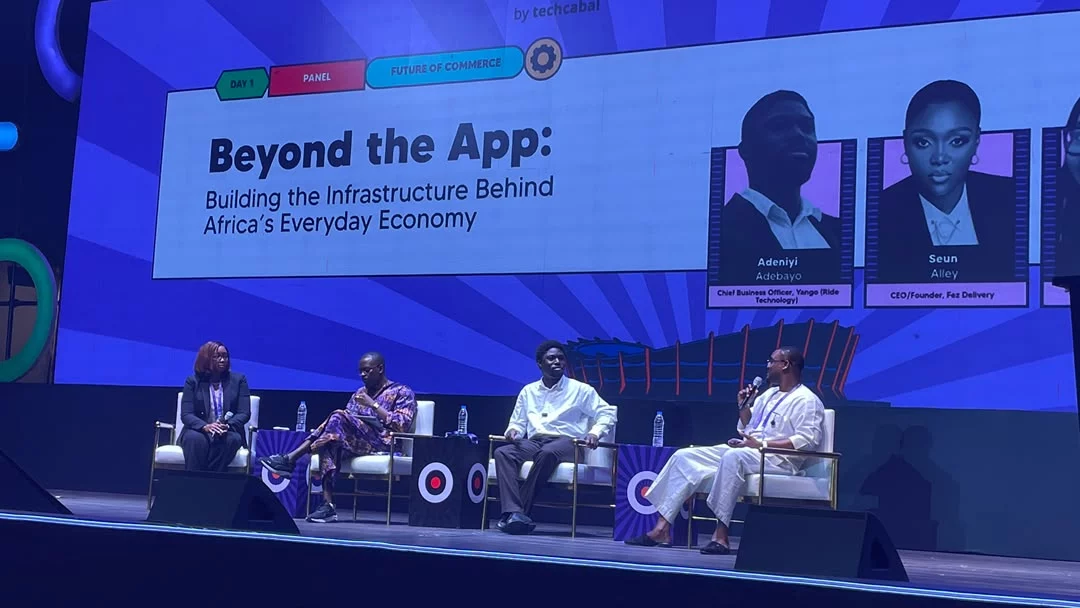
At Moonshot by TechCabal 2026, a panel titled Beyond the App: Building the Infrastructure Behind Africa's Everyday Economy gathered founders and investors to debate scaling past the front-end. Speakers emphasized that for ride-hailing, delivery, and mobility platforms, securing vehicle availability, locating customers, and ensuring viable economics in each market are as critical as the user-facing product. The discussion highlighted how unreliable power, patchy connectivity, fragmented logistics, and disconnected cross-border payment systems raise operating costs and complicate expansion, particularly in markets where these constraints are acute.
Why This Matters
Nigeria illustrates the disconnect vividly. Even in Lagos, Africa's leading tech hub, uneven internet connectivity continues to hinder business operations, revealing that a thriving market for digital services does not automatically guarantee the reliable connectivity needed to serve customers and expand. Financing presents another barrier: companies providing vehicles to commercial riders must prove assets generate enough income to cover operating costs and loan repayments. Operational data—tracking daily earnings, maintenance costs, and battery usage—can help lenders assess borrowers without conventional banking histories, turning real-time usage into creditworthiness. World Bank research published in 2024 found that investment in roads and electricity boosts activity in Africa's manufacturing and services sectors. The article raises whether companies should build infrastructure alone or share costs, noting that while mapping neighborhoods is expensive, the resulting data benefits multiple businesses. Shared charging and battery-swapping networks could help electric mobility operators avoid building isolated systems.
Key Takeaways
- Digital convenience fails without reliable infrastructure behind the screen.
- Connectivity gaps in major hubs like Lagos reveal the hidden cost of scaling digital services.
- Operational data bridges the gap between fintech and traditional lending.
- World Bank 2024 data confirms that roads and electricity investment directly correlates with manufacturing and services growth.
- Shared infrastructure, such as charging networks and mapped logistics, lowers barriers for new market entrants.
Conclusion
The real test for Africa's digital economy is whether the infrastructure behind the screen can turn digital convenience into everyday reality. As panelists agreed, scaling isn't just about more downloads—it's about building the systems that make those downloads meaningful, reliable, and sustainable across every market.






Discussion
Join the conversation
Thoughtful reactions, questions, and follow-up ideas help shape the next story.