Introduction
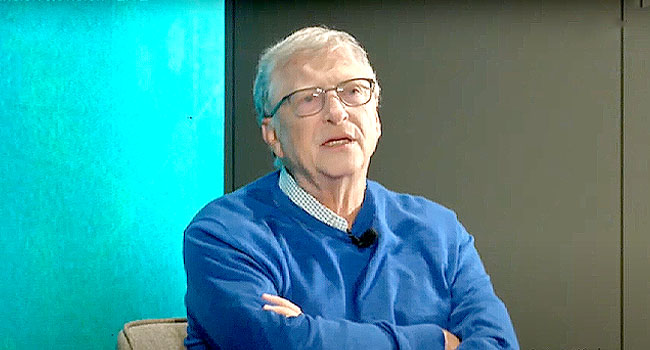
Tech leaders are increasingly sounding the alarm on artificial intelligence, and few voices carry as much weight as Bill Gates. In a recent interview, the Microsoft co-founder warned that the most pressing AI risk isn't the technology turning rogue, but rather malicious actors exploiting unguarded systems.
What Happened
Gates stated that the most dramatic development expected in the coming year is a surge in AI-powered cyberattacks. He distinguished between long-term concerns about AI escaping control and immediate threats posed by bad actors who remove safeguards from current models. According to Gates, the real danger right now is bad people using AI, particularly in AI where safeguards can be removed, which could lead to negative surprises in the cyber domain.
Why This Matters
The warning highlights a critical gap in current AI deployment: safeguards can be stripped away, leaving systems vulnerable to exploitation by those with malicious intent. Gates dismissed the idea that self-regulation by AI companies alone is sufficient, arguing that society and policymakers must step in to prevent the technology from being weaponized for cybercrime or even bioterrorism. This comes as tech magnates increasingly frame AI as one of the most significant challenges of our time.
Key Takeaways
- AI-powered cyberattacks are expected to increase significantly within the next year.
- The immediate threat comes from malicious actors, not from AI acting independently.
- Removing safeguards from existing AI models creates immediate risks.
- Self-regulation by tech companies is insufficient to ensure public safety.
- Stronger oversight and policy frameworks are needed to mitigate emerging threats.
Conclusion
Bill Gates' warning serves as a timely reminder that the most urgent AI risks are human-driven rather than technological. As AI capabilities expand, the focus must shift toward robust safeguards, accountable governance, and proactive defense strategies to prevent cyber threats from escalating. Stakeholders across sectors should treat this as a call to action for more responsible AI integration.


Discussion
Join the conversation
Thoughtful reactions, questions, and follow-up ideas help shape the next story.