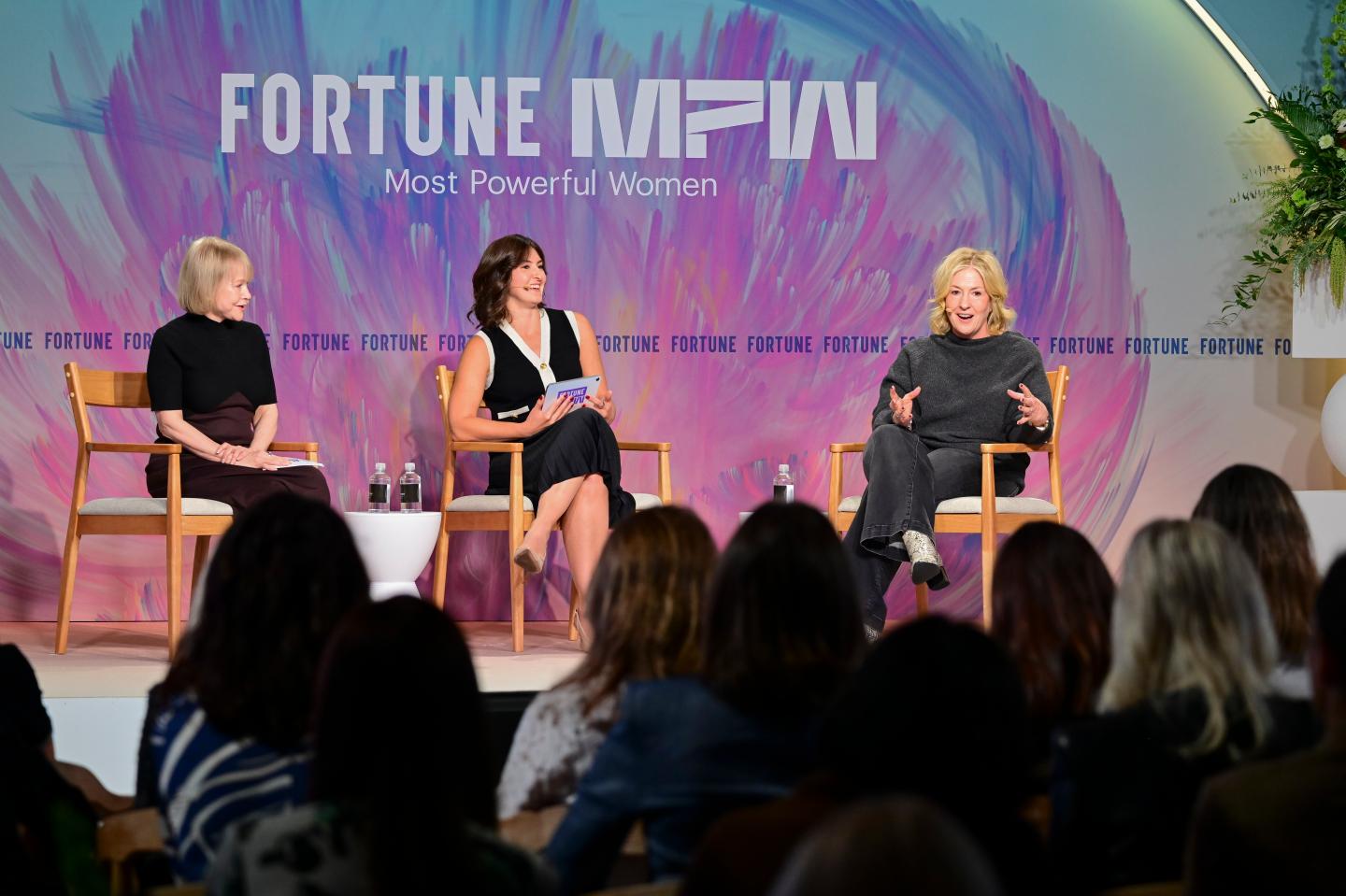
Brené Brown told attendees at the Fortune Most Powerful Women Summit that our nervous systems aren't equipped for the current level of uncertainty. The researcher and author emphasized that between political shifts, volatile markets, and a workforce that isn't okay, staying brave has become exponentially harder.
What Happened
Speaking in October 2025, Brown described how people are neurologically wired for certainty, not chronic stress. She noted that successful leadership today demands self-awareness, nervous-system management, and the discipline to slow down decisions in alignment with core values. Brown also critiqued the legacy of Jack Welch's vitality curve, arguing that rank and yank performance models foster fear rather than collaboration, an approach ill-suited for modern teams.
Why This Matters
Brown warned that a leadership style built on fear has a short shelf life. Biology, she said, cannot sustain prolonged fear without numbing or hyper-normalizing the feeling. For younger generations who prioritize vulnerability, authenticity, and emotional intelligence, the old model no longer works. Instead, she advocates for leadership rooted in connection and courage.
Key Takeaways
- Brown argues we're struggling to be deeply human right now, and tension among people is high under pressure.
- Fear-based leadership undermines long-term performance and culture.
- Vulnerability, not rigidity, is the foundation of courage, creativity, and meaningful connection.
- Leaders must slow down, practice metacognition, and align decisions with mission and values.
- Moving away from forced ranking systems builds healthier, more resilient organizations.
Conclusion
Brown's core message is clear: confronting uncomfortable feelings and embracing vulnerability isn't soft—it's essential for resilient, authentic leadership in an age of relentless uncertainty.


Discussion
Join the conversation
Thoughtful reactions, questions, and follow-up ideas help shape the next story.