
Introduction
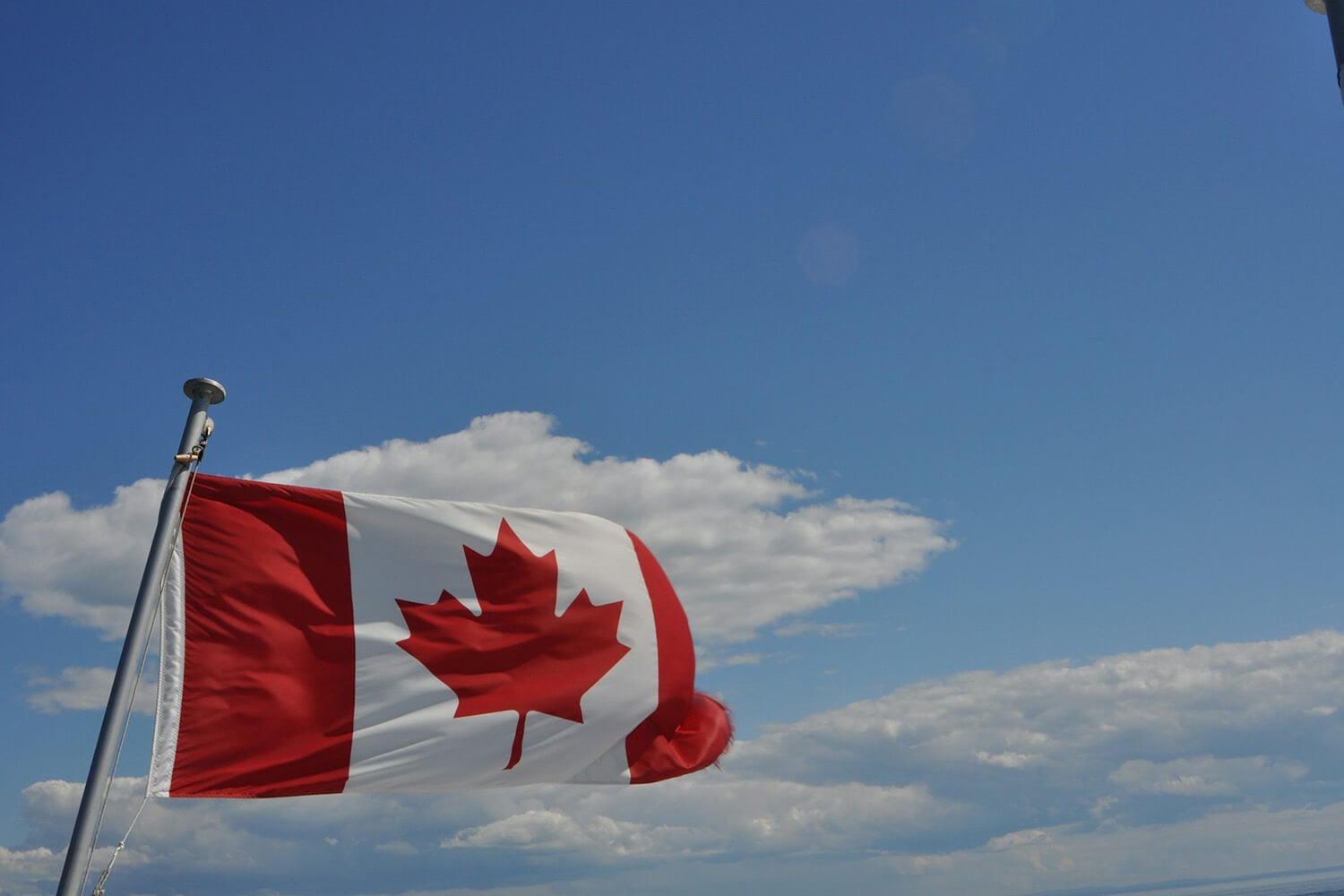
Canadian Prime Minister Mark Carney is strengthening ties with the European Union, a shift directly influenced by the trade pressures imposed by former US President Donald Trump. What started as diplomatic engagement has turned into a strategic realignment as both Brussels and Ottawa seek to reduce dependence on Washington.
What Happened
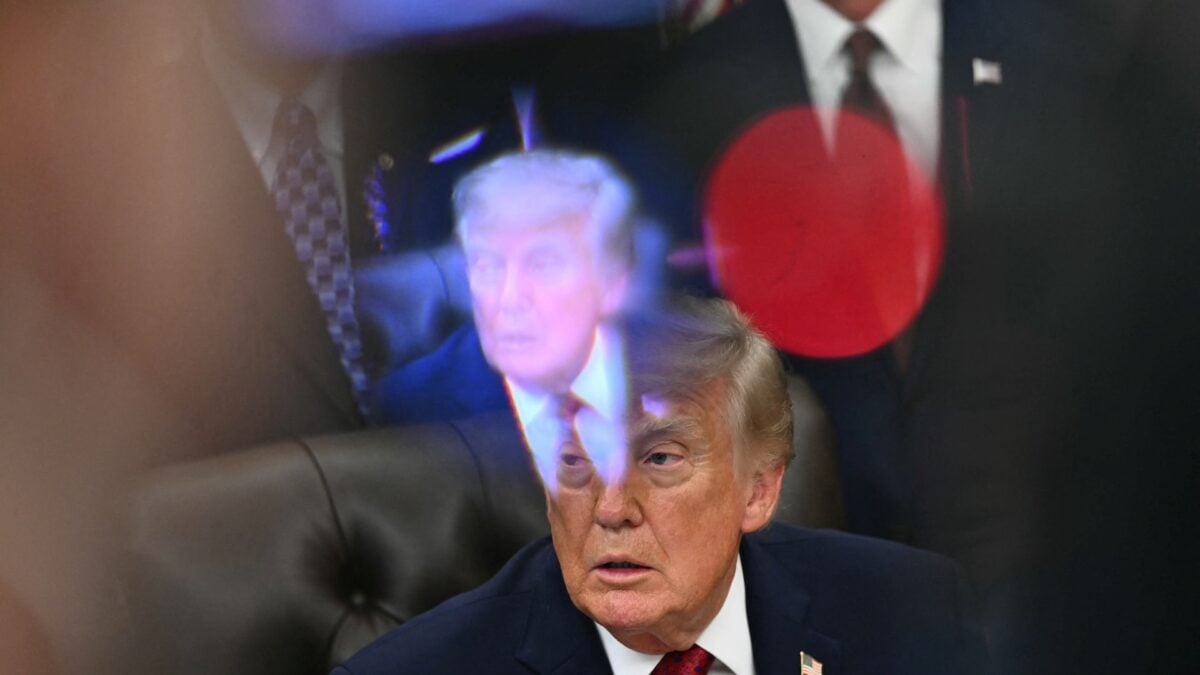
Carney has publicly advocated for a closer partnership with the EU, welcoming European Commission President Ursula von der Leyen’s backing for Canada to gain associate-member status. The driving force is Trump’s repeated tariff threats, including a recent post that featured a North America map with the US flag overlaid. In response, Carney has imposed counter-tariffs and fast-tracked purchases of European defence systems, from German submarines to Swedish early-warning aircraft. The existing Canada-EU trade deal, CETA, is now being expanded into defence, energy, and critical minerals.
Why This Matters
The deepening Canada-EU partnership reflects a broader concern about over-reliance on the US market and supply chains. With the US as Canada’s largest trading partner and the EU’s biggest overall partner, both regions are actively diversifying. Carney’s government has set a target to double non-US trade within a decade, and the EU is a natural partner for energy security, raw materials, and technology cooperation. This shift also signals to other nations how trade disputes can reshape regional alignments.
Key Takeaways
- Carney’s EU outreach is a direct response to Trump-era trade aggression.
- The EU is welcoming closer ties, especially in energy, defence, and critical minerals.
- Canada aims to double non-US trade within ten years, with the EU central to that goal.
- EU leaders are supportive privately, though publicly cautious about US retaliation.
- Formally, Canada cannot join the EU, but associate member status and deeper sectoral deals are the realistic path forward.
Conclusion
The current Canada-EU courtship, driven by frustration with US trade unpredictability, marks a significant shift in transatlantic dynamics. Even without full membership, closer cooperation on trade, security, and energy is likely to accelerate. How far this partnership evolves will depend on upcoming elections in key European nations and the durability of US-Canada relations.

Discussion
Join the conversation
Thoughtful reactions, questions, and follow-up ideas help shape the next story.