Introduction
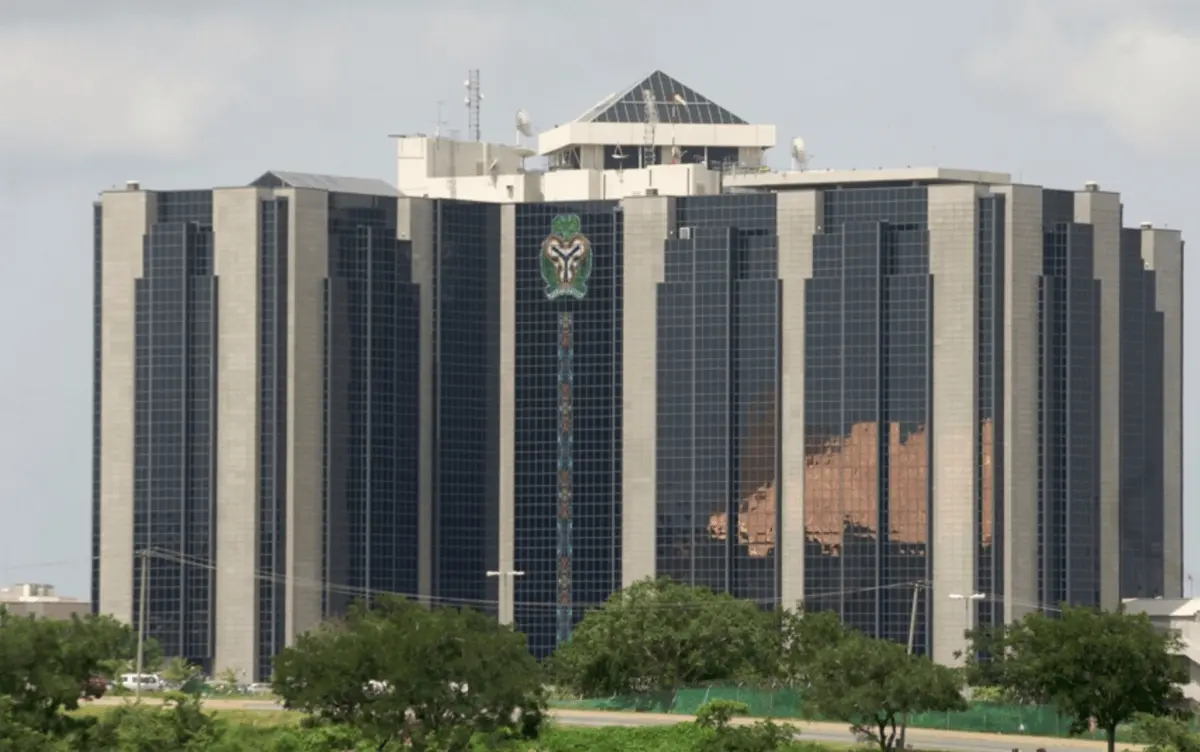
The Central Bank of Nigeria appointed eight new pre-shipment inspection firms and two monitoring agents to oversee crude oil and gas export terminals effective October 2, 2026, strengthening export transparency and regulatory oversight.
What Happened
The CBN announced the new appointments through an official notice signed by Aderinola Shonekan, Director of the Trade and Exchange Department. The eight pre-shipment agents have been assigned to specific export terminals across Nigeria's oil and gas infrastructure, while two dedicated monitoring firms will supervise their activities to ensure compliance with the revised export supervision framework.
Why This Matters
Export inspection and monitoring are critical to preventing revenue leakage and ensuring that Nigeria's crude oil and natural gas shipments are properly documented and valued. The updated framework places designated agents at key terminals and introduces oversight mechanisms designed to improve accountability and support the nation's external trade position, particularly as gas export earnings reached $2.53 billion in the first quarter of 2026.
Key Takeaways
- The CBN has reallocated export terminal responsibilities among eight pre-shipment inspection agents, with specific ports assigned to each firm.
- Two monitoring and evaluation firms, Q&Q Control Services Ltd. and Arlington Securitas Nigeria Limited, will oversee the inspection agents' operations under the Nigerian Export Supervision Scheme.
- Appointments took effect on October 2, 2026, and apply to authorised dealer banks, the Nigeria Customs Service, petroleum regulators, and oil and gas companies.
- The revised framework follows previous CBN appointments in 2024 and 2025, reflecting an ongoing effort to modernise export oversight.
- Nigeria's gas export earnings rose to $2.53 billion in Q1 2026, underscoring the sector's growing contribution to the country's trade balance.
Conclusion
The latest CBN appointments signal a continued focus on tightening export oversight and improving transparency in Nigeria's oil and gas value chain. Stakeholders across the sector are expected to align with the new terminal assignments and monitoring protocols to ensure uninterrupted compliance and sustained export performance.



Discussion
Join the conversation
Thoughtful reactions, questions, and follow-up ideas help shape the next story.