Introduction
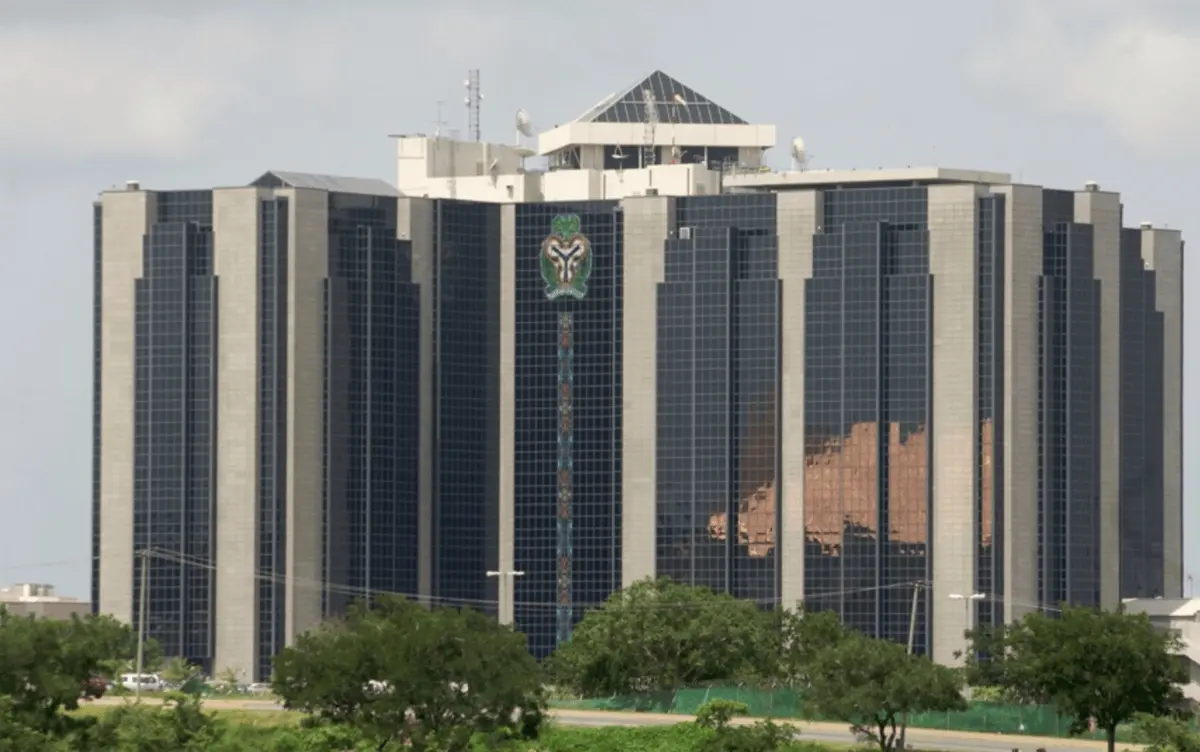
\nThe Central Bank of Nigeria's latest Business Expectation Survey indicates a notable uptick in corporate optimism, with confidence projected to climb to 36.1 index points by February 2027. This projection reflects broader shifts in the nation's economic landscape and follows recent improvements in key performance metrics.
\n\nWhat Happened
\nAccording to the CBN survey, the Business Confidence Index (BCI) strengthened significantly in August 2026, rising to 14.8 points from 5.7 points in July. The survey projects the index will reach 23.6 points in September 2026, 30.1 points in November, and ultimately 36.1 points by February 2027. Across major sectors, industry improved from 11.5 to 17.1 points, services climbed from 3.6 to 13.3 points, and agriculture strengthened from 3.4 to 13.9 points during the review period.
\n- \n
- Electricity, Gas and Water Supply recorded the highest current-operations optimism at 50.0 points. \n
- Businesses identified their strongest expectations for volume of total orders at 20.3 points and volume of business activity at 19.7 points, signaling anticipated stronger demand. \n
- The construction sector posted the highest expansion outlook at 73.9 index points. \n
- Employment expectations for September remained generally subdued, with only the Electricity, Gas and Water Supply sector reporting a neutral hiring outlook. \n
Why This Matters
\nWhile the outlook is positive, firms continue to face significant constraints. Among the top constraints identified were high or multiple taxation at 67.8 points, insecurity at 66.9 points, and high interest rates at 63.5 points. High bank charges and competition also featured among concerns. The survey notes that businesses expect a gradual appreciation of the naira against the US dollar, with the exchange-rate outlook index rising from 8.5 points in August to 31.8 points over the next six months. Additionally, borrowing-cost indices remain within the 18–19 point range, suggesting only marginal easing in financing costs. Capacity utilisation held largely steady at around 55.8% in August, with the Mining and Quarrying sector recording the highest utilization. The positive sentiment aligns with broader indicators, including the Nigerian Economic Summit Group's composite Current Business Performance Index reaching 112.7 points—the highest since February 2026—and the Stanbic IBTC PMI noting the strongest private-sector improvement in 29 months.
\n\nKey Takeaways
\n- \n
- Business confidence is projected to reach 36.1 index points by February 2027, up from 5.7 in July 2026. \n
- The BCI rose 9.1 points in August 2026, the largest monthly gain tracked by the CBN survey. \n
- All major sectors—industry, services, and agriculture—showed month-on-month improvement. \n
- High taxation, insecurity, and high interest rates remain the top constraints facing Nigerian businesses. \n
- Expectations for naira appreciation strengthen over the six-month outlook, with the exchange-rate index climbing to 31.8 points. \n
- Capacity utilisation held steady around 55.8%, with Mining and Quarrying leading sector performance. \n
Conclusion
\nThe CBN's latest survey paints a picture of gradually strengthening business optimism, even as structural challenges persist. With confidence projected to surpass the 36-point threshold early next year, the trajectory suggests improved operating conditions, provided that key constraints such as taxation, insecurity, and financing costs are adequately addressed. Stakeholders monitoring Nigeria's economic trajectory should watch these indicators closely, as the coming months will likely determine whether this momentum translates into sustained growth.
\n

Discussion
Join the conversation
Thoughtful reactions, questions, and follow-up ideas help shape the next story.