Introduction
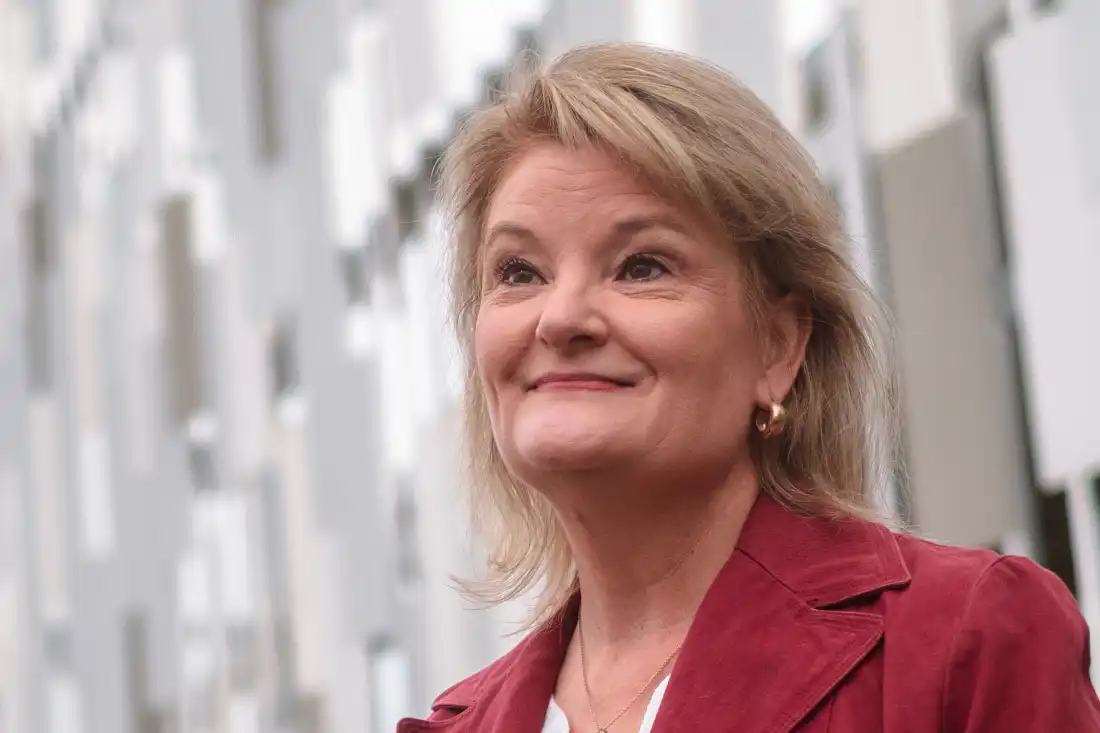
Democrat Cindy Holscher has secured the Kansas governor's office, defeating Republican challenger Ty Masterson in a closely watched 2026 midterm contest. The Associated Press called the race for Holscher, allowing her party to retain control of the executive branch in a state that has increasingly leaned Republican in recent federal elections.
What Happened
State Senator Cindy Holscher, age 57, won the gubernatorial election against Ty Masterson, who serves as president of the Kansas Senate and received an endorsement from President Trump. Political analysts had identified Kansas as the most likely of 36 gubernatorial contests to switch from Democratic to Republican control. Incumbent Democratic Governor Laura Kelly could not seek re-election due to term limits after eight years in office.
Holscher's campaign centered on populist themes, including a pledge to oppose what she described as preferential treatment for billionaires. She linked Masterson to tax legislation passed under former Republican Governor Sam Brownback, which contributed to budget shortfalls before being repealed. On education, Holscher rejected school voucher programs and advocated for stronger public school funding, while Masterson supported vouchers. Holscher also proposed pausing new data center construction and legalizing cannabis to boost state revenue.
Masterson campaigned on reducing property taxes and said his faith guides his political decisions. He described himself as a strong supporter of agriculture, business, and oil and gas interests. He frequently criticized Holscher as a far-left candidate, to which she responded that such labeling was his only substantive argument.
Why This Matters
The outcome preserves a Democratic hold on Kansas' top office despite the state's reputation as a Republican stronghold in presidential and most other statewide races. With a heavily Republican legislature remaining in place, Holscher will face a divided government as she attempts to advance her agenda. The result also signals that education policy, tax history, and cultural issues can still drive competitive elections in traditionally conservative states.
Key Takeaways
- Cindy Holscher, a Democratic state senator, defeated Republican Ty Masterson in the Kansas governor's race.
- The Associated Press called the election for Holscher, keeping the office in Democratic hands.
- Masterson, president of the state Senate, was endorsed by President Trump.
- Kansas was considered the most likely gubernatorial seat to flip from Democrat to Republican in 2026.
- Holscher opposed school vouchers and criticized past tax cuts linked to budget crises.
- Masterson campaigned on lower property taxes and strong support for oil, gas, and agriculture.
Conclusion
Cindy Holscher's victory means Democrats will continue to occupy the Kansas governor's mansion, at least for now, even as the state remains politically divided. Her ability to win in an environment that usually favors Republicans suggests that local issues and candidate-specific messaging can outweigh broader partisan trends. How she governs with a Republican-controlled legislature will likely shape her party's prospects in Kansas for years to come.
Discussion
Join the conversation
Thoughtful reactions, questions, and follow-up ideas help shape the next story.