Introduction
Climate Week NYC returns each year with massive attendance, but behind the turnout lies a deeper question: after years of global summits and pledges, why does the climate crisis persist? This years gathering arrives as record heat extreme weather and fiscal pressures converge, forcing a hard look at what is working and what is falling short.
What Happened
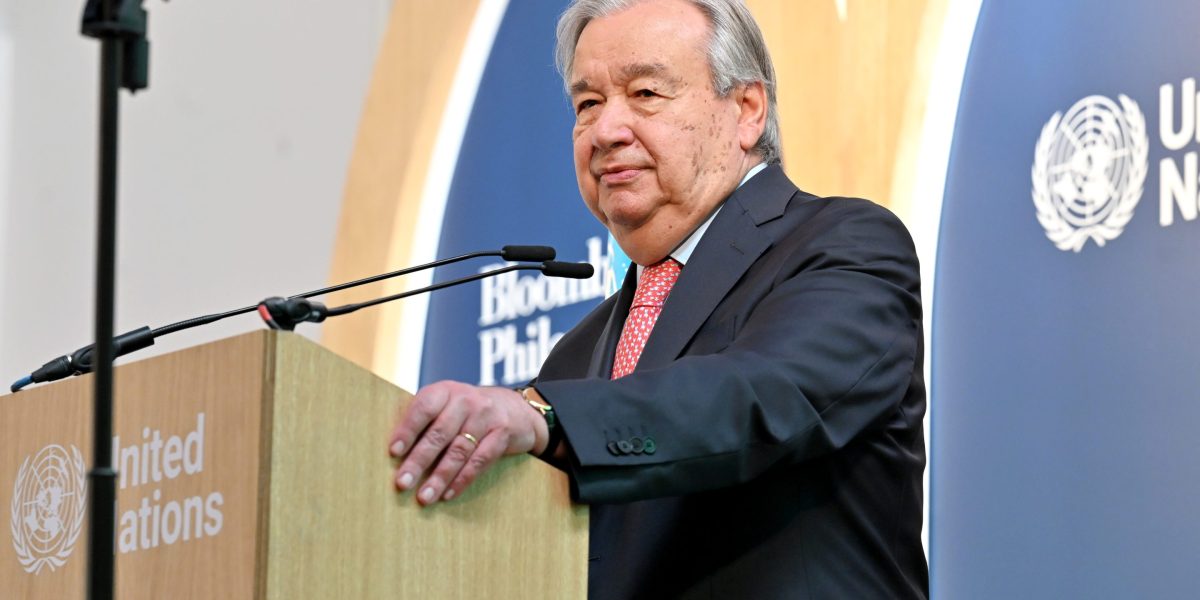
Over 100000 participants and more than 1000 events flooded New York City for Climate Week 2026. The scale suggests success, yet the backdrop is sobering: the last 11 years include the 11 warmest on record, 2024 marked the first full year exceeding 1.5 degrees Celsius above preindustrial levels, and recent disasters from a deadly glacier collapse in Nepal to extreme heat deaths across Europe highlight how quickly climate risks are escalating. Against this, the article asks whether another week of convening truly moves the needle, or if the real measure lies in what happens after the doors close.
Why This Matters
Beyond the headlines, the piece argues that climate action has produced tangible progress. National policies today put the world on a roughly 2.8 degree Celsius warming trajectory, down from a projected 3 to 3.5 degrees a decade ago under the Paris Agreement. Full implementation of existing pledges could further lower that to 2.3 to 2.5 degrees a meaningful shift yet still far from the safety threshold. Critically, nature preservation remains underfunded: forests wetlands and mangroves store carbon and buffer communities yet receive a fraction of the finance needed. With public climate and nature funding under strain and private investment still orders of magnitude below the estimated $570 billion annually required by 2030 the discussion shifts from what is being discussed to what is being spent.
Key Takeaways
- Climate finance is at a crossroads, with public funds stretched and private capital still closing the gap.
- Nature-based solutions like forest conservation and coastal resilience offer dual climate and economic benefits but remain severely underfunded.
- Innovative structures like the Tropical Forest Forever Facility aim to lock in public capital to attract private investment, targeting a 1:4 public-to-private dollar leverage ratio.
- Insurance and resilience investments can deliver up to $10 in avoided costs for every dollar spent making risk-reduction financing a pragmatic path forward.
- The real test of Climate Week is not attendance numbers but whether capital holders leave with concrete frameworks to turn commitments into measurable results.
Conclusion
As Climate Week 2026 unfolds the urgency is clear: the world has made measurable strides but current financing and policy pathways still fall short of what science and justice demand. Scarcity of public dollars should not mean thinking smaller it should mean spending smarter leveraging every public dollar to unlock private capital and building durable financial models that withstand political and fiscal cycles. The momentum generated this week will only translate into real-world impact if participants commit to smarter more strategic action long after the final panel ends.

Discussion
Join the conversation
Thoughtful reactions, questions, and follow-up ideas help shape the next story.