Introduction
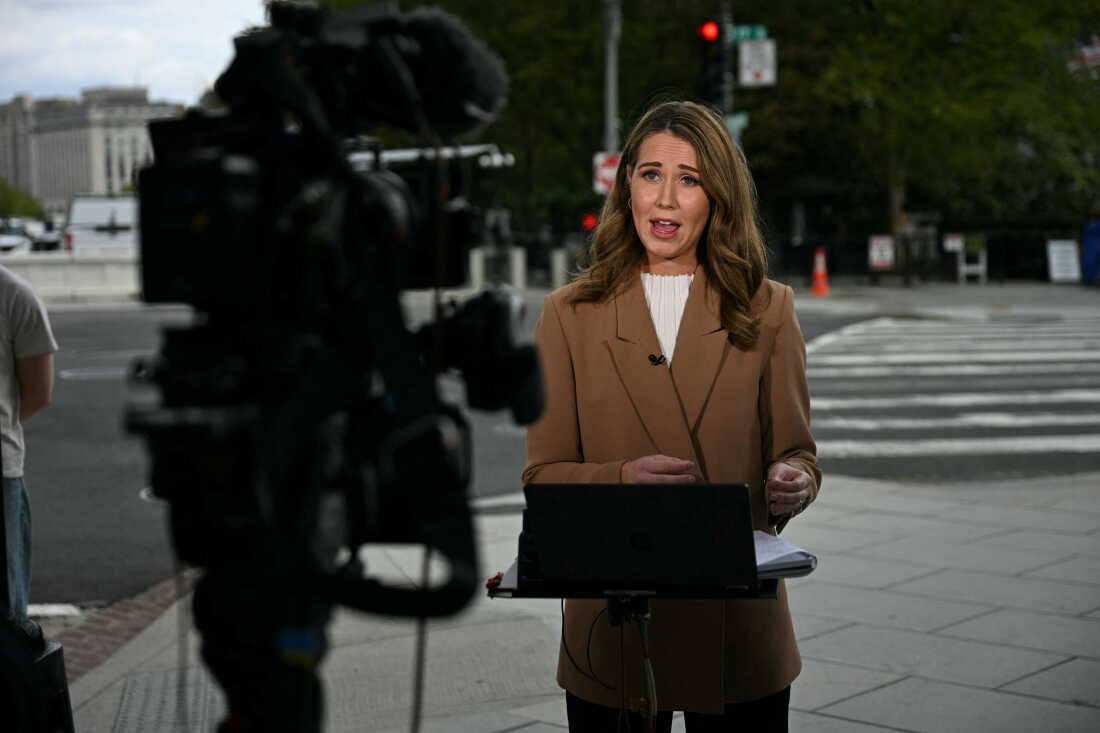
Three major news organizations have taken legal action against the Trump administration after their journalists were blocked from entering White House grounds. CNN, MSNBC and Politico filed a joint lawsuit alleging violations of their constitutional rights, arguing the ban constitutes unlawful viewpoint discrimination.
What Happened
Following President Trump's announcement that he would ban the three outlets from White House access, reporters for CNN, MSNBC and Politico were turned away despite holding permanent press passes. The lawsuit, filed Monday in federal court in Washington, D.C., claims the decision was motivated by the administration's dissatisfaction with coverage rather than any security or operational concern.
Why This Matters
The legal challenge hinges on First Amendment protections against government retaliation and Fifth Amendment due process claims. Legal experts and past court rulings suggest the White House cannot exclude journalists simply because of unfavorable coverage, as that would amount to unconstitutional viewpoint discrimination. The case also fits into a broader pattern of tension between the Trump administration and the press.
Key Takeaways
- The lawsuit names CNN, MSNBC and Politico as plaintiffs, represented by attorney Theodore J. Boutrous of Gibson Dunn.
- Claims include violation of First Amendment rights and Fifth Amendment due process.
- Trump justified the ban as a response to two years of coverage he called unfair and negative.
- Past court decisions have blocked similar White House attempts to restrict press access, including a 1977 appellate ruling still in effect.
- NPR and other outlets have condemned the ban, stating the public has a right to unfettered government coverage.
- The suit seeks restoration of full White House access and continuation of the video pool arrangement.
Conclusion
The lawsuit marks another escalation in the ongoing conflict between the Trump administration and major news organizations. Regardless of the court's eventual ruling, the case underscores the enduring tension between executive authority and press freedom, and the lengths to which news outlets will go to protect their ability to cover the presidency.

Discussion
Join the conversation
Thoughtful reactions, questions, and follow-up ideas help shape the next story.