Introduction
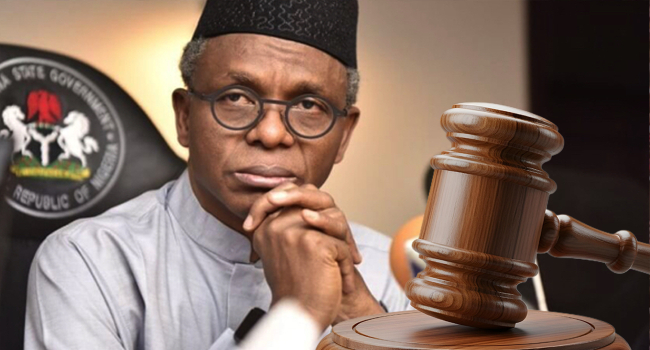
A Federal High Court in Abuja has directed former Kaduna State governor Nasir El-Rufai to enter his defense in a high-profile trial alleging unlawful interception of the National Security Adviser's telephone communications.
What Happened
Justice Joyce Abdulmalik ruled on a no-case submission filed by El-Rufai's legal team. The judge determined that the prosecution had presented sufficient evidence to warrant calling on the defendant to respond to the charges, dismissing the submission that sought to end the case at this stage.
The trial stems from allegations that El-Rufai unlawfully tapped the phone lines of Nuhu Ribadu, Nigeria's National Security Adviser. With the no-case submission rejected, the proceedings will continue, and the next court date is set for November 25.
Why This Matters
This ruling underscores the court's willingness to proceed when substantial evidence is presented, regardless of the defendant's former public office. Legal analysts note it may influence how future security-related trials are conducted in Nigeria's federal system.
Beyond the legal technicalities, the case highlights the ongoing tension between security oversight and individual rights, particularly involving former state officials and current political figures.
Key Takeaways
- Justice Joyce Abdulmalik dismissed the no-case submission, finding adequate evidence to continue the trial.
- The former Kaduna governor faces charges related to alleged wire-tapping of the National Security Adviser's communications.
- The proceedings have been adjourned to November 25 for the defense to present its case.
- The ruling may influence future judicial handling of high-profile security-related trials in Nigeria.
Conclusion
As the trial advances, attention will focus on how El-Rufai's defense team responds to the charges and whether the prosecution can sustain its burden of proof. The case remains a significant development in Nigeria's discourse on accountability and security governance.





Discussion
Join the conversation
Thoughtful reactions, questions, and follow-up ideas help shape the next story.