Introduction
Drone autonomy research has long been constrained by hardware that favors high-end graphics cards. CPU-first simulation removes a major barrier for students, hobbyists, and researchers worldwide.
What Happened
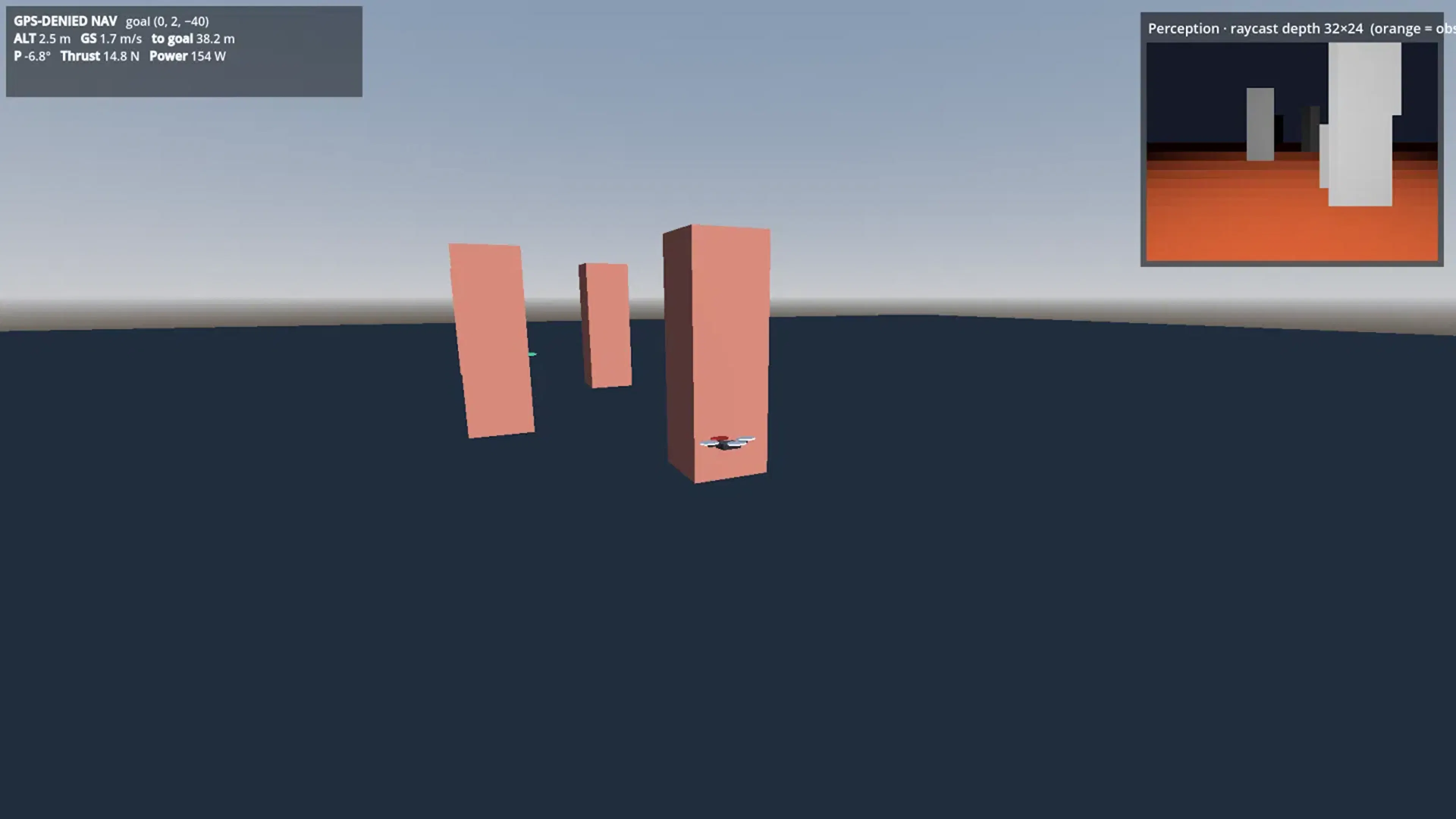
The author created SkySim, a CPU-first drone flight simulator that delivers real physics including rotor aerodynamics, ground effect, turbulence, and battery modeling without requiring a GPU. The simulator runs headless by default, exposes a WebSocket JSON protocol, and even compiles to WebAssembly for browser-based demos. It also integrates with PX4 and ArduPilot SITL for real autopilot testing.
Why This Matters
Decentralized AI depends on wide participation, local reproducibility, and the ability to split work across many machines. GPU-bound simulators create invisible gates that shrink the pool of contributors and inflate entry costs. By moving simulation to the CPU, the door opens for distributed training, federated learning, and community-driven scenario libraries.
Key Takeaways
- CPU-first simulation enables anyone with a laptop to run drone autonomy experiments.
- Headless, deterministic runs allow strangers to reproduce results without special hardware.
- Decentralized patterns like federated learning and distributed training become practical when the simulator runs on ordinary machines.
- The same physics engine compiles to WebAssembly, making live demos accessible in any browser.
- Real autopilot integration means existing drone code can be tested immediately on CPU-only hardware.
Conclusion
The future of drone intelligence should not be decided by who owns the most GPUs. When simulation runs on a standard CPU, ideas spread faster, researchers everywhere can participate, and the technology becomes truly inclusive. The author invites the community to run scenarios, contribute new tasks, and help verify the first sim-to-real transfer on real hardware.


Discussion
Join the conversation
Thoughtful reactions, questions, and follow-up ideas help shape the next story.