Introduction
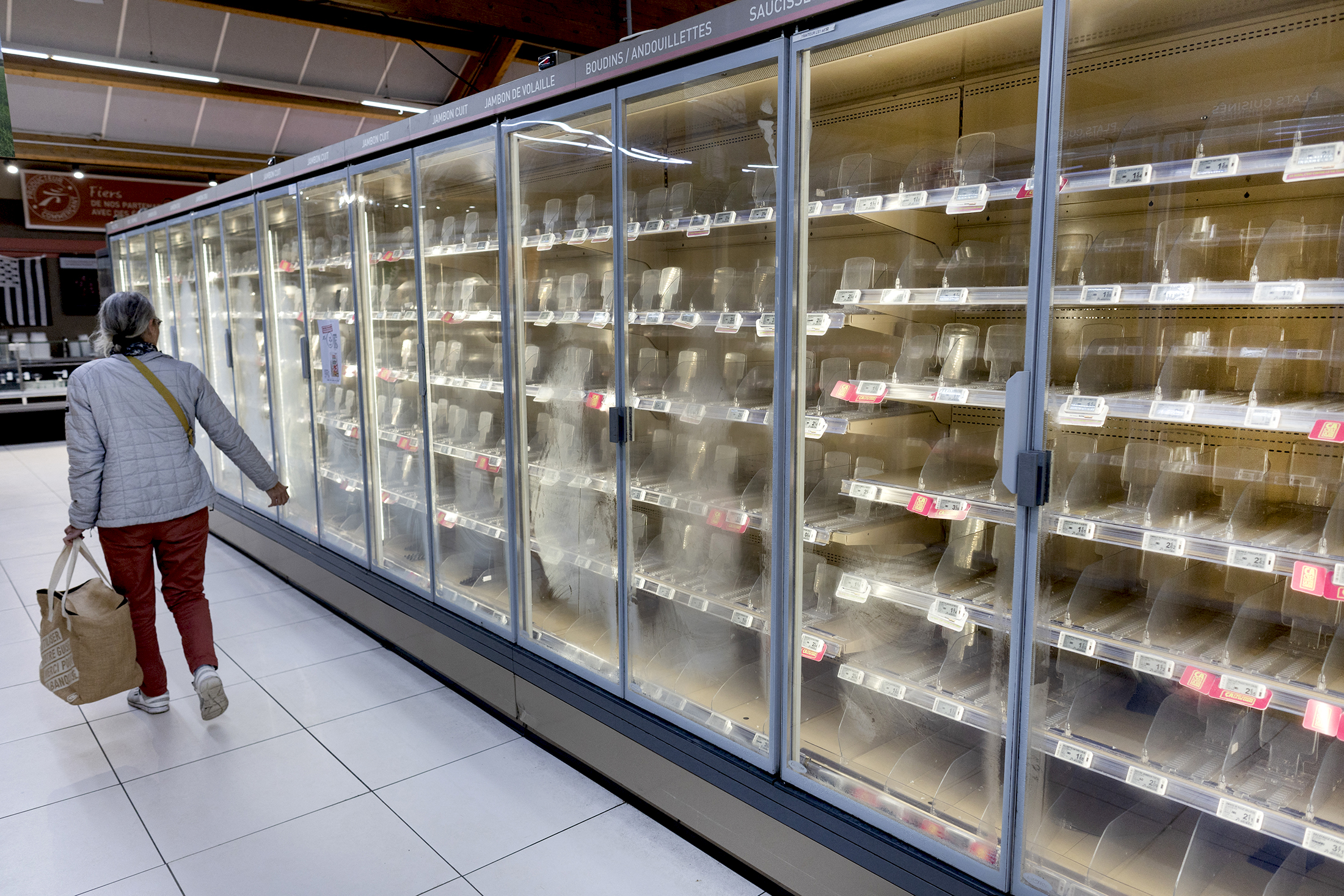
A cyberattack targeting refrigeration systems struck over 400 French supermarkets, forcing grocers to discard perishable stock. The incident reveals how digital threats can directly impact physical food supply chains.
What Happened
The attack hit climate control systems managed by three companies that remotely monitor refrigerators for major French grocery chains. Approximately 300 Intermarché and Netto locations, plus 80 Coopérative U and 30 Monoprix stores, were affected. France's National Cybersecurity Agency confirmed many of the targeted systems were running outdated software, though no group has yet claimed responsibility.
Why This Matters
Beyond immediate financial loss, the attack raises alarms about critical infrastructure vulnerability when food supply chains are compromised. When refrigeration fails, perishable goods spoil rapidly, increasing waste and potentially creating gaps in product availability for consumers. The incident also underscores a growing trend of cyber threats targeting physical systems rather than just data networks.
Key Takeaways
- The attack affected over 400 supermarkets across four major French retail chains.
- No organization has claimed responsibility, and prosecutors are still identifying the culprits.
- Targeted systems were running outdated software, a common factor in many recent cyber incidents.
- Economic losses per store could reach tens of thousands of dollars due to total inventory loss.
- The breach highlights the need for stronger cybersecurity measures in retail and food supply chain management.
Conclusion
The cyberattack on French supermarkets serves as a stark reminder that physical infrastructure is not immune to digital threats. As grocers work to restore normal operations, the incident is likely to accelerate discussions around securing remote management systems in retail. Stakeholders should prioritize network segmentation, regular software updates, and incident response planning to prevent similar disruptions.







Discussion
Join the conversation
Thoughtful reactions, questions, and follow-up ideas help shape the next story.