Introduction
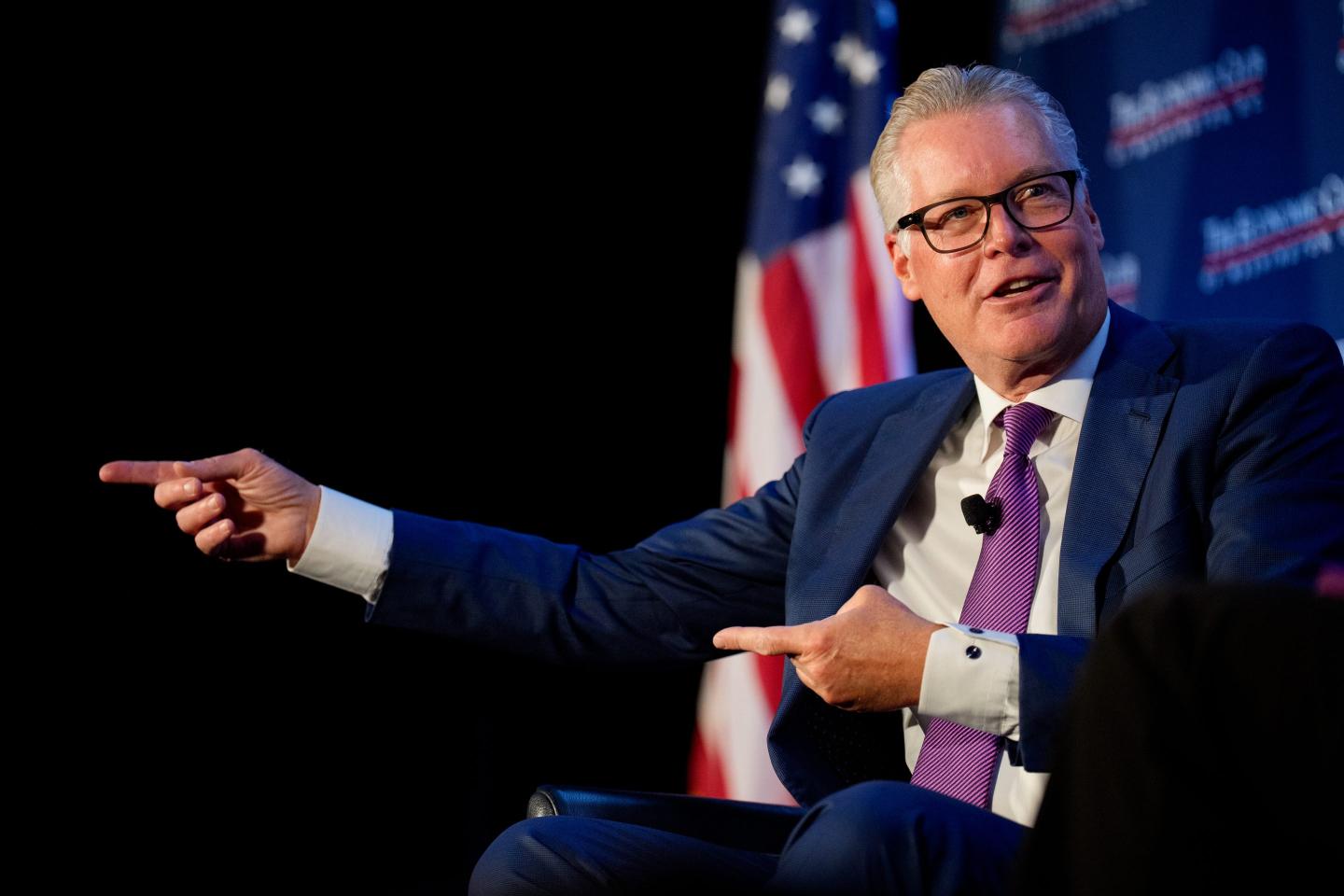
Delta CEO Ed Bastian is rejecting Elon Musk's public criticism, insisting there's no personal feud despite the SpaceX founder's prediction that he'd lose his job. The remarks come as the airline reports its first earnings decline in two years.
What Happened
Delta's Q3 results missed Wall Street expectations, marking the first earnings miss in two years. Jet fuel prices climbed sharply year-over-year due to geopolitical tensions, pushing adjusted fuel expenses to $4.1 billion. Despite the miss, the airline posted record September-quarter revenue of $17.6 billion, up 16%, and pretax profit of $1.5 billion. Premium cabin revenue rose 18% to $6.8 billion, and loyalty program spending tied to AmEx cards is on track to exceed $9 billion for the year.
Why This Matters
The earnings miss and Musk's public pressure highlight the growing tension between legacy carriers and Musk's expanding influence in aviation technology. Delta rejected Starlink in favor of Amazon's Leo, citing business model disagreements, while rivals United and American moved quickly to equip their fleets with Starlink connectivity. The dispute underscores how in-flight connectivity is becoming a competitive battlefield, and Delta's next moves with Leo will shape its position against Musk-backed alternatives.
Key Takeaways
- Delta reported a rare earnings miss, citing a 62% jump in fuel costs tied to geopolitical tensions.
- CEO Ed Bastian denies any personal feud with Elon Musk, calling the dispute purely business-related.
- Delta chose Amazon Leo over Starlink, with installations slated to begin on 500 aircraft in 2028.
- Competitors United and American are rapidly adopting Starlink, leaving Delta as the only major U.S. carrier without it.
- Despite the miss, Delta's premium and loyalty revenue grew double-digit, signaling strength in high-value segments.
Conclusion
Delta's quarter shows an airline navigating significant cost pressure while defending its market position against a very public tech rivalry. How the airline executes its Leo rollout and whether it can close the gap with Starlink-equipped competitors will likely define its trajectory through the rest of 2026 and beyond.





Discussion
Join the conversation
Thoughtful reactions, questions, and follow-up ideas help shape the next story.