Introduction
For episode 888 of The Tim Ferriss Show, the host set out to explore how cultures across East Asia think about luck, language, and fate. Drawing on his background in East Asian Studies, Ferriss examines the outsized influence of the number eight in China, Japan, and Korea. The episode weaves together architecture, gambling, automotive branding, and spiritual pilgrimage to show how a single digit can shape everything from real estate prices to corporate names.
What Happened
The tour begins in China, where eight is widely considered the luckiest number because its pronunciation resembles the word for prosperity. Ferriss highlights record-breaking sales of phone numbers and license plates containing multiple eights, including a Hong Kong plate that fetched millions at auction. He notes that the Beijing Olympics opened at 8:08 p.m. on August 8, 2008, a date chosen deliberately for its auspiciousness. Architecture also reflects these beliefs: some buildings skip the fourth floor because the word for four sounds like the word for death, while high-end properties and casino spaces are often designed with feng shui principles to attract wealthy players. One casino even built a private gaming suite around a single patron’s birthday.
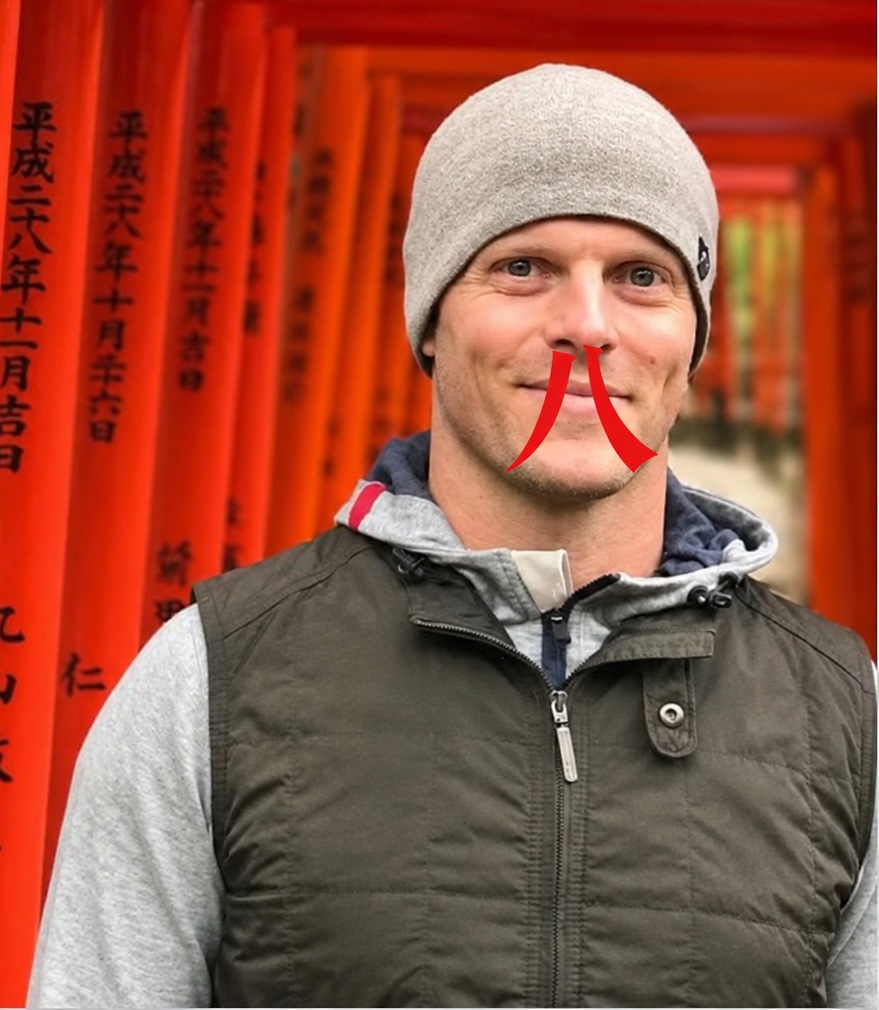
In Japan, the discussion turns to writing systems and corporate identity. The kanji for eight suggests spreading prosperity, and the automaker Toyota changed its name from Toyoda partly because the new spelling uses eight brush strokes, a number associated with growth. The episode also covers the Shikoku pilgrimage, a circuit of 88 Buddhist temples that draws walkers and spiritual seekers.
In Korea, the focus shifts to saju palja, the Four Pillars of Destiny, which uses eight characters to map a person’s fate. Ferriss also addresses the number 666, explaining that while it carries ominous meaning in some Western traditions, it can represent good fortune in parts of China. The episode closes with 886, a bit of Chinese internet slang that sounds like “bye-bye.”
Why This Matters
These examples show that luck is not merely random in many East Asian contexts—it is designed, calculated, and built into daily life. From the timing of global events to the layout of hotel floors, numerical symbolism influences consumer behavior, urban planning, and even multinational branding. Understanding these patterns offers a window into how language, history, and superstition intersect in some of the world’s largest economies.
Key Takeaways
- The number eight is strongly associated with prosperity in Chinese culture because it sounds similar to the word for wealth.
- Hong Kong license plates and phone numbers containing repeated eights have sold for millions of dollars.
- Some East Asian buildings omit the fourth floor due to the similarity between the words for four and death.
- Toyota’s name was adjusted from Toyoda in part to incorporate eight lucky brush strokes.
- The Shikoku pilgrimage connects 88 temples across Japan’s smallest main island.
- Korean saju palja uses eight characters in its system of fate and personality analysis.
- Casinos in the region often apply feng shui principles to attract high-stakes players.
Conclusion
Episode 888 serves as a reminder that numbers carry cultural weight far beyond their mathematical value. Whether it is a license plate, a hotel floor, or a corporate logo, the desire to design luck shapes decisions across China, Japan, and Korea. For listeners curious about how superstition and strategy overlap, the episode offers a detailed look at the hidden systems that govern fortune in everyday life.
Discussion
Join the conversation
Thoughtful reactions, questions, and follow-up ideas help shape the next story.