Introduction
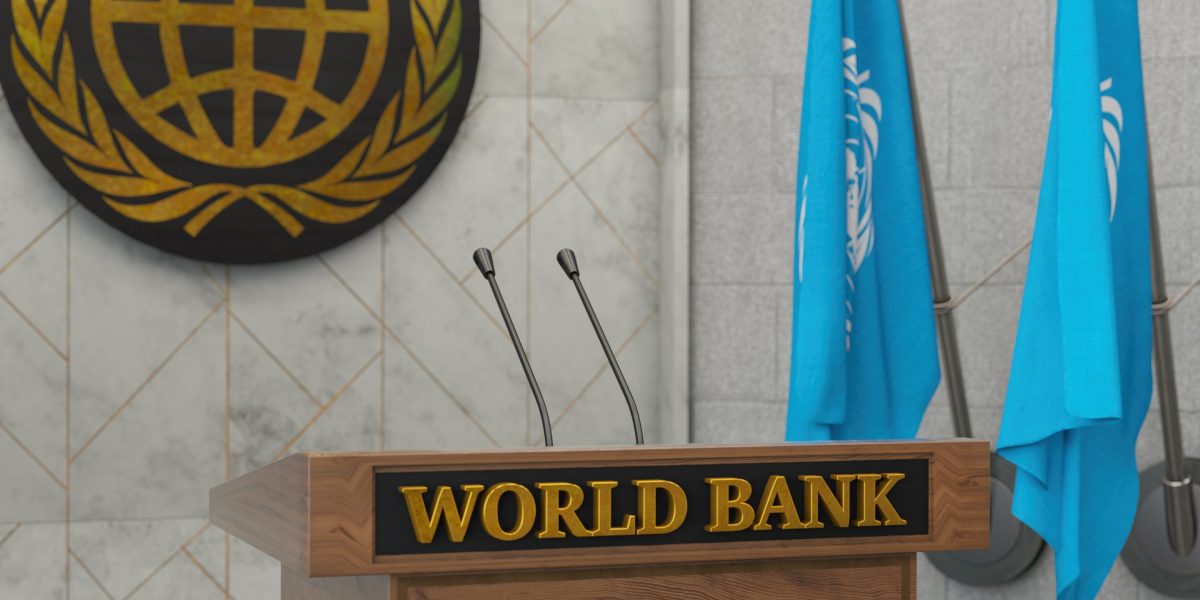
Leaders across the developing world are confronting a mounting debt crisis that threatens to stall years of progress. As finance leaders gather in Bangkok for World Bank and IMF Annual Meetings, the pressure is on to rethink how growth is financed and sustained.
What Happened
More than half of developing countries now struggle with liquidity and financing challenges, making it difficult to fund basic expenditures. With global borrowing costs surging, the crisis of fiscal space risks morphing into a new wave of full-blown debt crises. Even before the latest cost spikes, the average developing country was spending more than ten percent of its revenue on interest, nearly double the burden a decade ago, crowding out investment for growth.
Why This Matters
The stakes are high: stagnant per capita incomes, squeezed public budgets, and rising social unrest. Without coordinated action, roughly 40 of the world's poorest nations face a stark choice—make sharp cuts to essential spending or finance government deficits through exorbitant private borrowing likely to lead to default. Both paths risk pushing living standards down and fueling instability.
Key Takeaways
The crisis demands a shift from piecemeal financing to a coordinated and decisive surge. While international financial institutions have prevented widespread default, they have fallen short of enabling countries back to sustained growth or rebuilding resilience. A new policy proposal from the Rockefeller Foundation outlines a Growth and Investment Reset focused on dedicated support for growth-enhancing investments, transparent private debt management, and creditor cooperation—demonstrating that the reset is as much about political will as it is about resources.
Conclusion
The window for action is closing rapidly. Leaders at the Bangkok meetings have an opportunity to break the cycle of dependency and build a financial system that enables high-ambition development. Without decisive steps, debt spirals will continue to outpace growth, and the most vulnerable will bear the cost.







Discussion
Join the conversation
Thoughtful reactions, questions, and follow-up ideas help shape the next story.