Introduction
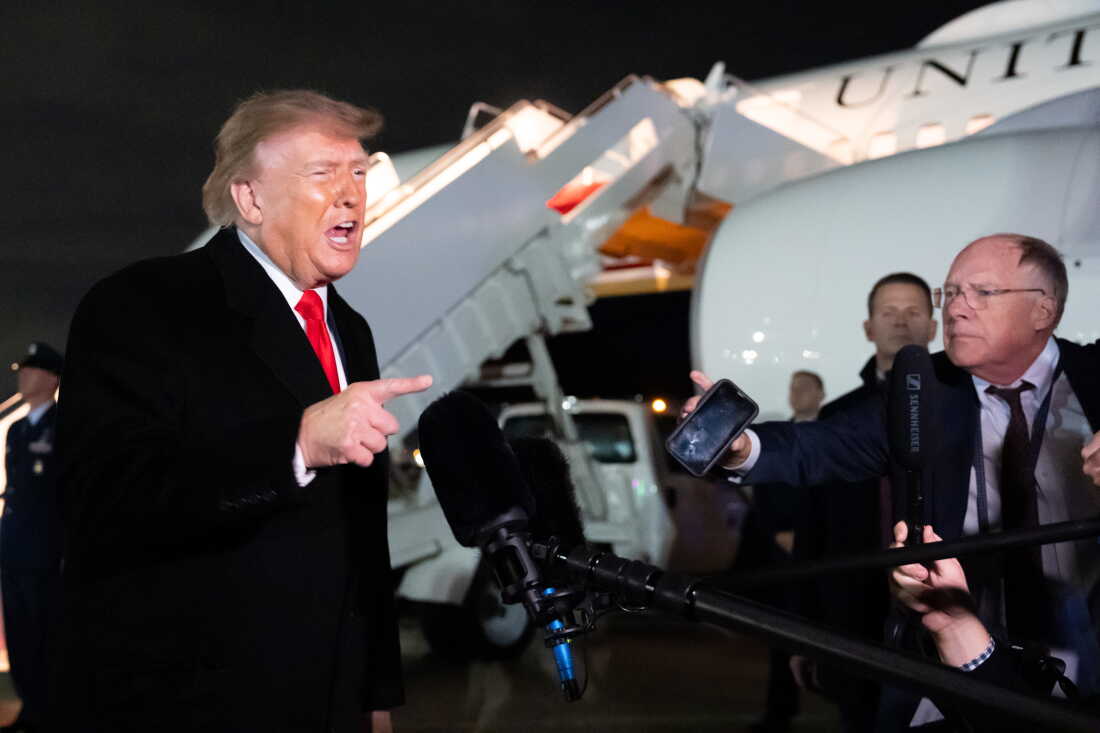
The U.S. Justice Department has opened a formal antitrust investigation into five major American television networks, examining whether their coordinated decision to suspend pool coverage of former President Donald Trump violated federal competition law. The move deepens a widening rift between the Trump administration and the press, prompting urgent questions about media independence, the limits of antitrust authority, and the future of White House reporting.
What Happened
The dispute escalated after the White House restricted access for CNN, MSNBC, and Politico, revoking press passes and barring them from official events. In response, five major networks, including ABC, CBS, CNN, NBC, and Fox News, agreed not to substitute for the blocked outlets on pool days, effectively limiting live coverage of Trump's public appearances. The Justice Department now alleges this coordinated boycott could amount to an illegal group boycott under the Sherman Act, potentially constituting anti-competitive behavior. A federal judge recently ruled that restricted journalists must regain access pending final resolution, but the White House continued blocking CNN from its designated pool shifts, forcing the remaining networks to adjust their coverage on a day-to-day basis.
Why This Matters
Legal scholars caution that the government's antitrust move, while unprecedented, must be balanced against the networks' constitutional editorial discretion. Michael Dorfman, a constitutional law professor, notes that the press pool's cooperation stems from logistical necessity in confined venues, not market manipulation. The case highlights a broader tension: the Trump administration's repeated attempts to influence media coverage versus the press's role in holding power accountable. Beyond this dispute, the outcome could establish how antitrust law applies to news organizations operating in the public interest, with implications for future administrations and press-access battles.
Key Takeaways
- The DOJ investigation centers on whether five networks coordinated a boycott that may violate antitrust law.
- The dispute arose from the White House's effort to exclude certain outlets from the presidential pool.
- A federal judge has already ordered restored access for excluded journalists pending final court decisions.
- Legal experts stress that the press pool's structure is designed by logistical need, not commercial collusion.
- The case fits into a larger pattern of the Trump administration clashing with major news organizations over coverage and access.
Conclusion
As the Justice Department's antitrust probe moves forward, the media landscape watches closely to determine whether the government can prove coordinated anti-competitive behavior without infringing on press freedom. The ruling will likely shape future battles between administrations and news outlets, defining how far executive power can extend in influencing coverage while respecting constitutional protections. Regardless of the legal outcome, the case underscores the fragile and contentious relationship between the White House and the press in contemporary American politics.


%20new%202.png)


Discussion
Join the conversation
Thoughtful reactions, questions, and follow-up ideas help shape the next story.