Introduction
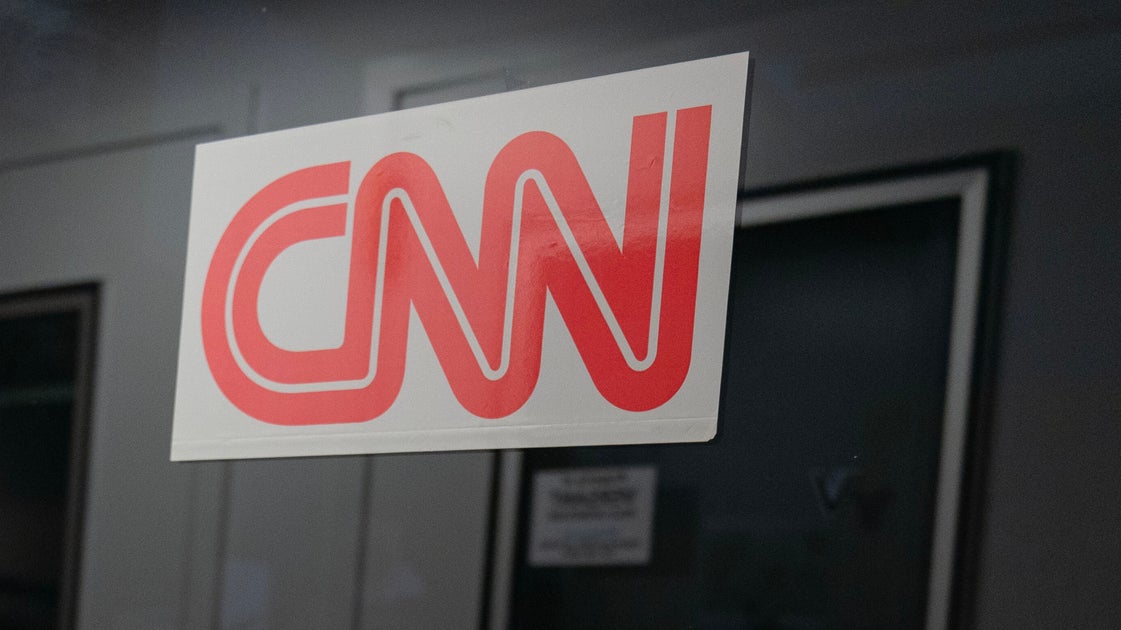
The legal battle over former President Donald Trump's attempt to restrict media access to the White House has taken a new turn, with the Justice Department filing a defense of the controversial ban.
What Happened
On Tuesday evening, the DOJ submitted a court filing asserting that Trump's actions in blocking CNN, Politico, and MS NOW from White House grounds were lawful under the First Amendment. Officials argued the President has a compelling interest in setting minimum standards for bona fide journalists and protecting national security information.
Three affected outlets - CNN, Politico, and MS NOW - have pushed back, describing the move as a direct assault on the First Amendment and asking a judge to restore their press credentials. The case is set for a hearing before U.S. District Judge Timothy Kelly, a Trump appointee, on Wednesday.
Why This Matters
The outcome could reshape the relationship between the White House and the press, setting a precedent for how future administrations handle media access. Legal experts warn that justifying press restrictions under the First Amendment opens a delicate path that could influence how governments worldwide approach journalistic freedom.
Beyond the legal implications, the decision impacts the public's right to information and the operational capacity of major news organizations covering the executive branch.
Key Takeaways
- The DOJ claims Trump's media restrictions are legally defensible under First Amendment principles.
- Three major news organizations have challenged the ban, arguing it undermines press freedom.
- A federal judge appointed by Trump will hear the case, raising questions about impartiality.
- The ruling could establish new boundaries for presidential authority over White House press access.
- Stakeholders across the media spectrum are watching closely for implications on future administration-media relations.
Conclusion
As the Wednesday hearing approaches, the nation watches to see whether the courts will uphold or reject the administration's justification for limiting press access. Whatever the decision, the case underscores the ongoing tension between executive power and the fundamental role of a free press in American democracy.

Discussion
Join the conversation
Thoughtful reactions, questions, and follow-up ideas help shape the next story.