Introduction
The U.S. Department of Justice has entered the legal fight over former President Donald Trump's restriction of major news networks from White House grounds, urging a federal court to dismiss a lawsuit brought by the affected outlets. The action marks a significant escalation in the ongoing tension between the administration and the press.
What Happened
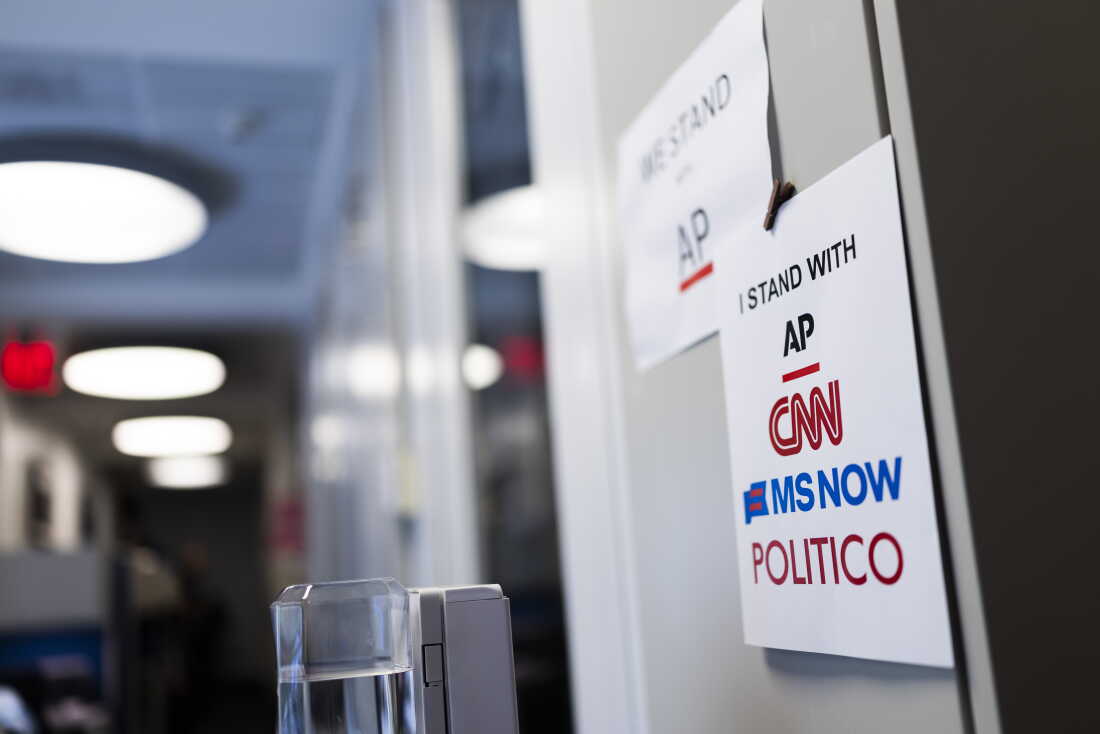
Following the Trump administration's September 2026 decision to revoke press passes for CNN, MS NOW, and Politico, the three organizations filed a federal suit claiming constitutional violations. The DOJ's recent filing argues the White House had justification, citing letters that accuse the networks of publishing claims that could compromise national security and spreading unverified narratives. The cited reporting ranges from details about White House facility construction to coverage of ammunition levels during an international conflict and political convention commentary.
Why This Matters
Beyond the immediate access dispute, the case touches on enduring questions about the scope of executive power over the media and the extent of First Amendment safeguards. Legal analysts warn that a ruling favoring the administration could empower future presidents to limit press presence based on editorial stance, while a victory for the outlets would reaffirm protections against government retaliation. The dispute also revives memories of prior clashes, including earlier credential removals and fights over reporting standards.
Key Takeaways
- The DOJ maintains that White House access is a privilege, not a guaranteed right
- The lawsuit asserts violations of both First and Fifth Amendment protections
- White House correspondence linked the ban to specific stories on security and political events
- The court's decision could set a precedent for how future administrations handle media relations
- Press freedom advocates and legal experts are closely tracking the proceedings for broader implications
Conclusion
As the federal court prepares to weigh the arguments, the outcome will likely influence the future dynamics of White House press access and the boundaries of constitutional protection for journalists. The case serves as a reminder of the persistent tension between governmental authority and the public's right to independent, unfettered news coverage.



Discussion
Join the conversation
Thoughtful reactions, questions, and follow-up ideas help shape the next story.