Introduction
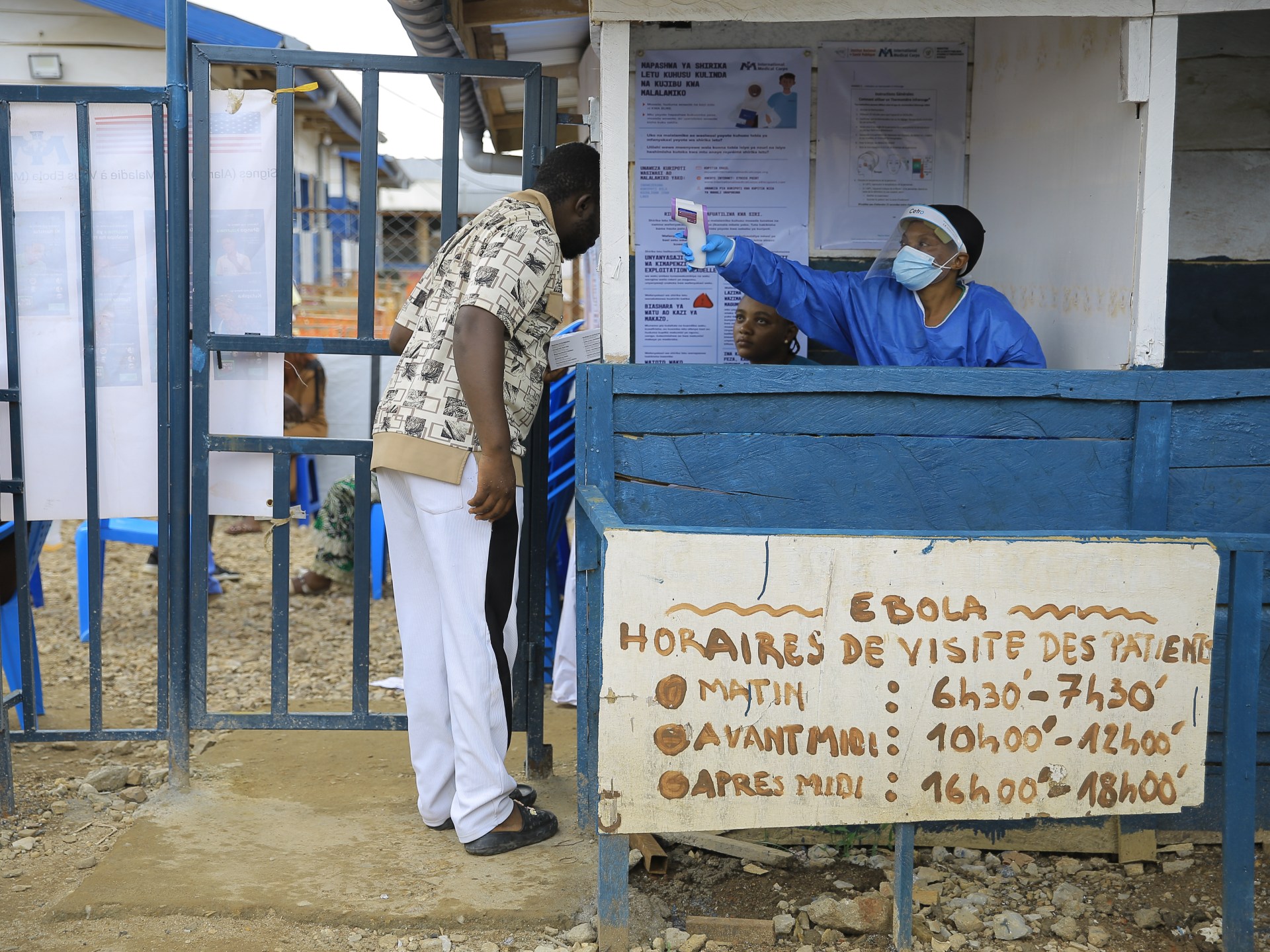
The Democratic Republic of the Congo is confronting its most severe Ebola crisis on record, with government data showing more than 11,000 confirmed infections and over 5,300 fatalities. The outbreak, driven by the uncommon Bundibugyo variant of the virus, has now spread across eight provinces and reached multiple regions of the continent, marking a grim milestone in the country's public health history.
What Happened
Officials released the latest figures on Tuesday, putting the confirmed case count at 11,042 and the death toll at no fewer than 5,387. Health authorities described it as the largest and deadliest Ebola episode ever recorded within the DRC. The Bundibugyo strain, which is less common than other Ebola variants, has been identified as the cause.
Eight of the nation's 26 provinces have reported infections, and a significant number of deaths have occurred outside formal treatment facilities. The virus has also appeared in East, Central, and West Africa, giving this outbreak the broadest geographic reach of any Ebola event on the continent so far.
Response teams say delayed detection, ongoing armed conflict, and overstretched medical services have allowed the virus to move faster than in previous outbreaks. In eastern DRC, violence has further complicated efforts to reach affected communities and contain transmission.
Why This Matters
This outbreak now ranks as the second-largest and second-deadliest in global Ebola history, surpassed only by the 2014–2016 epidemic in West Africa, which sickened more than 28,600 people and claimed over 11,000 lives. The Bundibugyo strain is especially concerning because it is fatal in roughly half of all cases, and no vaccine or treatment has yet been developed specifically for it.
The World Health Organization recently authorized clinical trials for two new Ebola vaccines, with results anticipated in early 2027. Until those tools are validated, containment depends on surveillance, safe burial practices, and community engagement—all of which are difficult to maintain in a conflict-affected region with limited health infrastructure.
Key Takeaways
- Confirmed Ebola cases in the DRC have reached 11,042, with at least 5,387 deaths.
- The outbreak is the largest and deadliest in the country's history and the second-largest globally.
- The rare Bundibugyo strain is responsible, and it kills approximately half of those infected.
- Eight provinces are affected, and cases have spread across East, Central, and West Africa.
- No strain-specific vaccine or treatment currently exists, though WHO-backed vaccine trials are underway.
- Conflict, delayed detection, and strained health services have accelerated the virus's spread.
Conclusion
The DRC's Ebola outbreak has passed a sobering threshold, underscoring how fragile disease control can be in regions facing instability and resource shortages. While new vaccine trials offer hope for the future, health workers on the ground continue to battle a fast-moving virus with limited tools. Sustained international support and improved access to affected areas will be critical to bringing the outbreak under control.
Discussion
Join the conversation
Thoughtful reactions, questions, and follow-up ideas help shape the next story.