Introduction
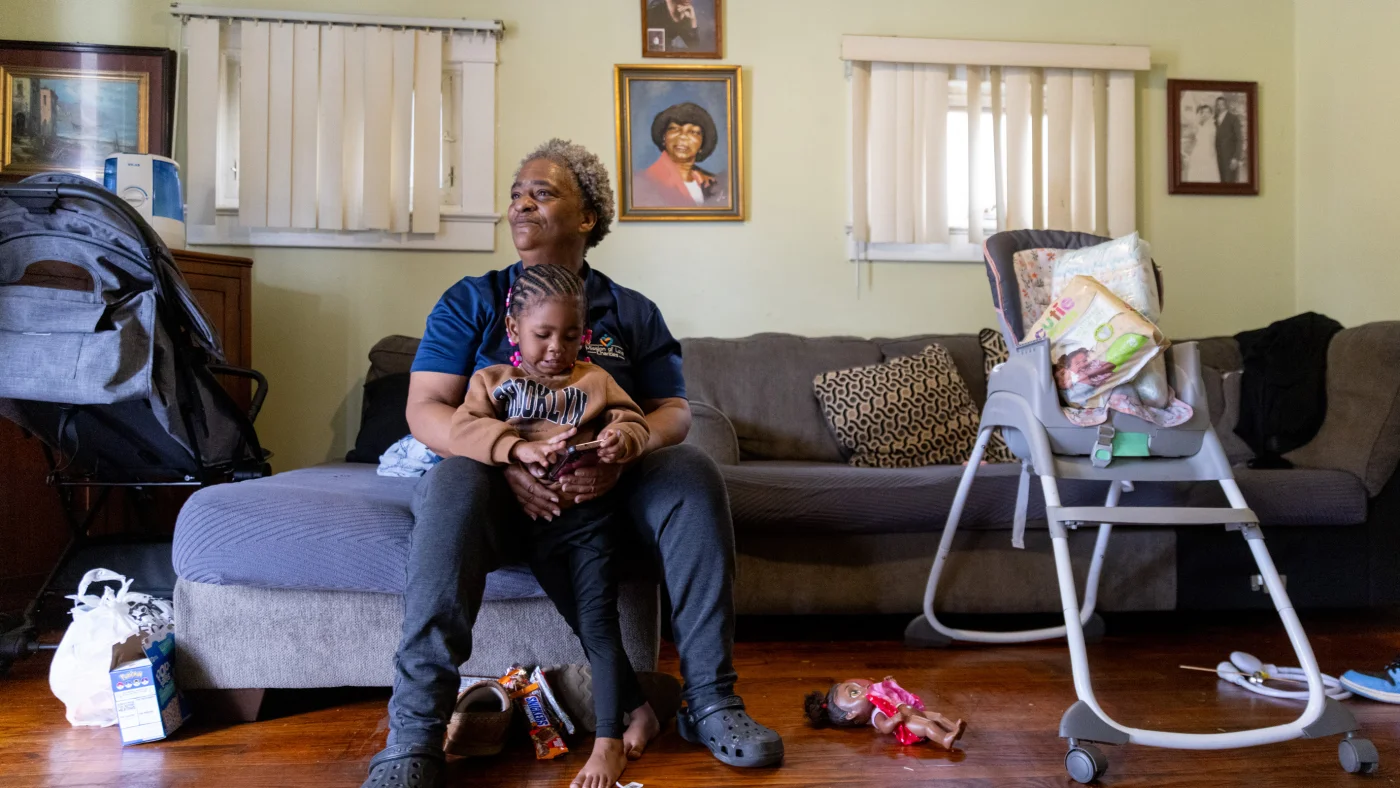
Lisa Reese spent nearly four decades on her feet, working hotel front desks, cleaning apartments, and serving in hospitality. When she retired at 62, she imagined a quieter life spent supporting her daughter, her young granddaughter, and her uncle, who is recovering from liver cancer surgery. Instead, a recent decision to apply for federal food assistance has pulled her back into a demanding schedule she thought she had left behind.
What Happened
After leaving her job at Marriott, Reese relied mostly on Social Security. Rising costs, including a gas bill that topped $500, made it difficult to cover basic needs. She turned to a local food bank, but the help was not enough. This summer, she was approved for the Supplemental Nutrition Assistance Program, commonly called SNAP. The benefit amounts to about $63 per month.
To keep that assistance, Reese must now work, train, or volunteer for 80 hours each month. The requirement stems from broad changes to SNAP and Medicaid included in federal legislation signed by President Donald Trump last year. The new rules expanded work obligations to older adults, including people in their late 50s and early 60s.
Reese found a way to comply by volunteering at Mission of Love Charities, a nonprofit near her home in Capitol Heights, Maryland. She spends four mornings a week packing snack bags and preparing meals for people in need. The schedule still allows her to watch her granddaughter in the afternoons.
Reese is also enrolled in Medicaid, and new work rules for that program are set to take effect next year. She says health issues, including arthritis, sciatica, and high blood pressure, make it uncertain whether she can sustain the current volunteer hours long term.
Why This Matters
The changes affect more than one household. The Center for Budget and Policy Priorities estimates that roughly five million people nationwide have lost federal food benefits since the new rules took effect. Advocacy groups and nonprofit leaders say the requirements are sweeping in people who were previously exempt, such as older adults, parents of teenagers, veterans, and some noncitizens.
Local organizations are feeling the strain. Mission of Love Charities has reduced food pantry visits from once a week to every other week and added staff to help people navigate SNAP and Medicaid applications. Maryland has tried to soften the impact by offering a single smartphone application for multiple benefits and speeding up eligibility reviews, but case workers report that many clients still cannot find jobs in a tight labor market.
The debate is sharply divided. The Trump administration and the Department of Agriculture describe the work expectations as a reasonable effort to reduce waste, fraud, and abuse. Critics, including nonprofit leaders and some lawmakers, argue that the rules punish people who qualify for help and create bureaucratic hurdles that cut off vulnerable families.
Key Takeaways
- Lisa Reese retired at 62 to care for family members, including a young granddaughter and an uncle recovering from surgery.
- She receives approximately $63 per month in SNAP benefits but must complete 80 hours of work, training, or volunteering each month to keep them.
- The requirement is part of recent federal changes to SNAP and Medicaid that expanded work rules to older adults.
- Reese volunteers at a local food charity to satisfy the requirement, though she worries about future Medicaid rules taking effect next year.
- An estimated five million people have lost federal food benefits since the changes began, according to the Center for Budget and Policy Priorities.
- Maryland has introduced streamlined applications, but nonprofits say demand continues to outpace available support.
Conclusion
Reese says she believes SNAP should not be a permanent solution for everyone, but she questions why retirees and caregivers are being grouped with others under a blanket work rule. She hopes to find part-time work that would allow her to pay for private health insurance until she turns 65, at which point she plans to retire fully and focus on her family.
For now, her days are split between packing food for strangers and caring for the people she loves most. Her story illustrates how sweeping policy changes can reach into individual homes, reshaping retirement plans and family routines in ways lawmakers may not have intended.
Discussion
Join the conversation
Thoughtful reactions, questions, and follow-up ideas help shape the next story.