Introduction
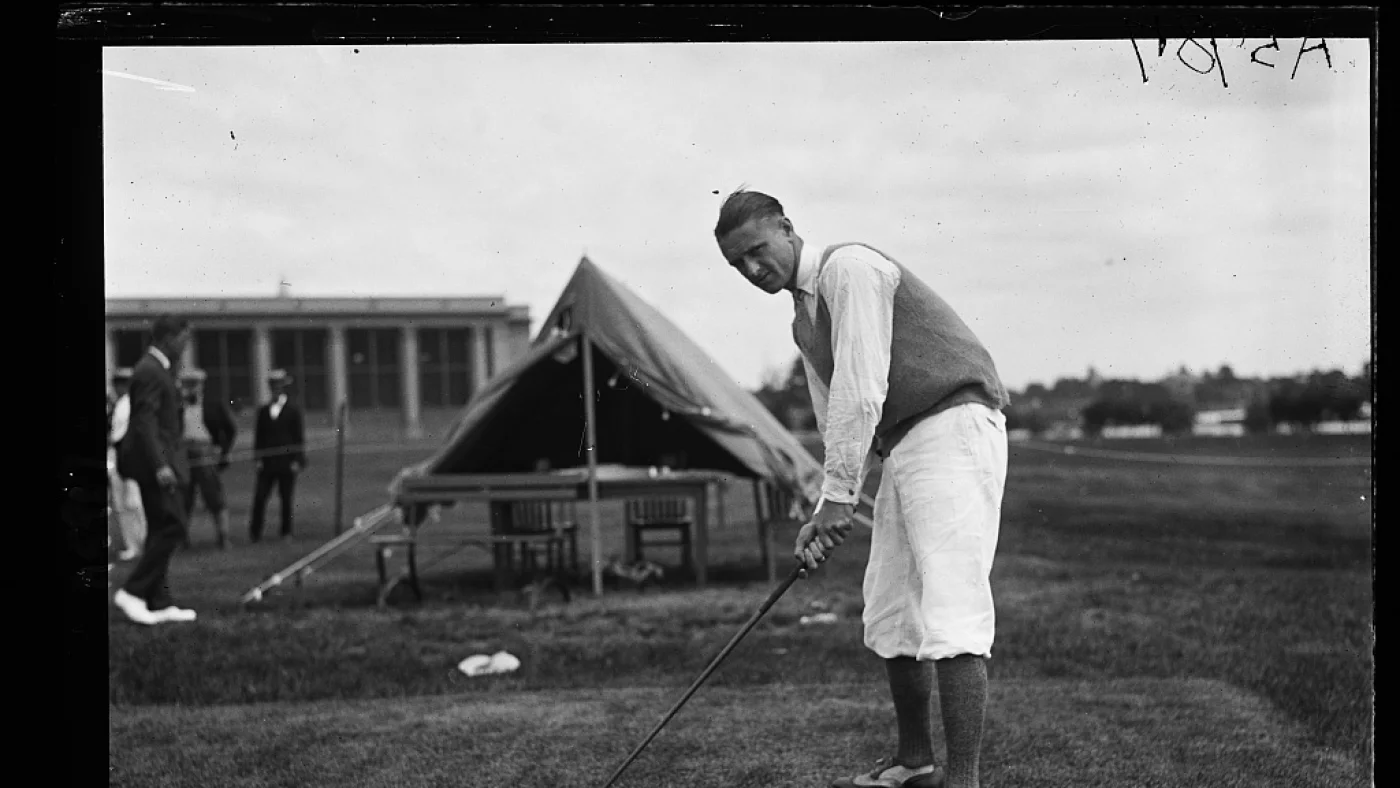
East Potomac Park has long served as a rare open space in Washington, D.C., where runners, cyclists, picnickers, and golfers share a man-made peninsula jutting into the Potomac River. Now that history is at the center of a legal showdown. A federal judge has temporarily blocked plans to close much of the park, even as the Trump administration advances a proposal to replace the existing golf complex with a single championship course.
What Happened
Late on a Saturday in November 2026, U.S. District Judge Ana Reyes issued a temporary restraining order keeping most of East Potomac Park open for at least two weeks. The order came just hours before the National Park Service was set to cut off public access. The move followed the expiration of the government's lease with the National Links Trust, the nonprofit that had operated the course since 2020. Judge Reyes did not force the government to continue running the golf operation, but she questioned why the park had to shut down entirely and left the door open to further action.
President Donald Trump publicly criticized the judge's decision and said his administration would appeal. The National Park Service and Interior Department did not respond to requests for comment. Meanwhile, administration officials prepared to present a redesign plan to the federal Commission of Fine Arts.
Why This Matters
The dispute reaches beyond golf. Congress set aside East Potomac as a public park in 1897, intending it to serve as a lasting recreational space for the city's residents. Today the peninsula holds a 220-acre golf course, tennis courts, picnic lawns, and a loop road that draws runners and cyclists. Under the administration's vision, three existing courses would give way to a single 18-hole layout covering nearly the entire peninsula, removing the perimeter road and the open areas where people gather.
Opponents argue the shift would price out casual players and limit access for newcomers. Rounds currently cost between $17 and $48, yet officials have not disclosed pricing for the proposed course beyond promising locals a discount. The case also touches on the park's civil rights legacy, including a 1941 demonstration that helped break the color barrier at D.C.'s municipal courses.
Key Takeaways
- A federal judge temporarily blocked the closure of East Potomac Park, though the golf course's future remains uncertain.
- The National Links Trust's lease ended in November 2026, leaving no operator for the course.
- The Trump administration wants to replace three courses with one championship-level 18-hole design by architect Tom Fazio.
- The proposal would remove the park's perimeter road and reduce open green space used by the public.
- East Potomac has a significant civil rights history, including a 1941 protest that helped open the course to Black golfers.
- Judge Reyes has ordered both sides to submit legal briefs on whether she can require the government to keep operating the course.
Conclusion
East Potomac Park stands at a crossroads. The court has bought time, but it has not settled whether the government must continue operating the golf course or whether the administration can move forward with its redesign. For now, the flags are missing from the holes, and the people who walk, run, and play on the peninsula are waiting to see whether this historic public space will remain open to everyone—or be remade into something more exclusive.
Discussion
Join the conversation
Thoughtful reactions, questions, and follow-up ideas help shape the next story.