Introduction
Habit tracking is a simple yet powerful way to build consistency and measure progress over time. James Clear’s guide explains why monitoring your routines is essential for long-term success and how a basic tracker can transform your approach to personal growth.
What Happened
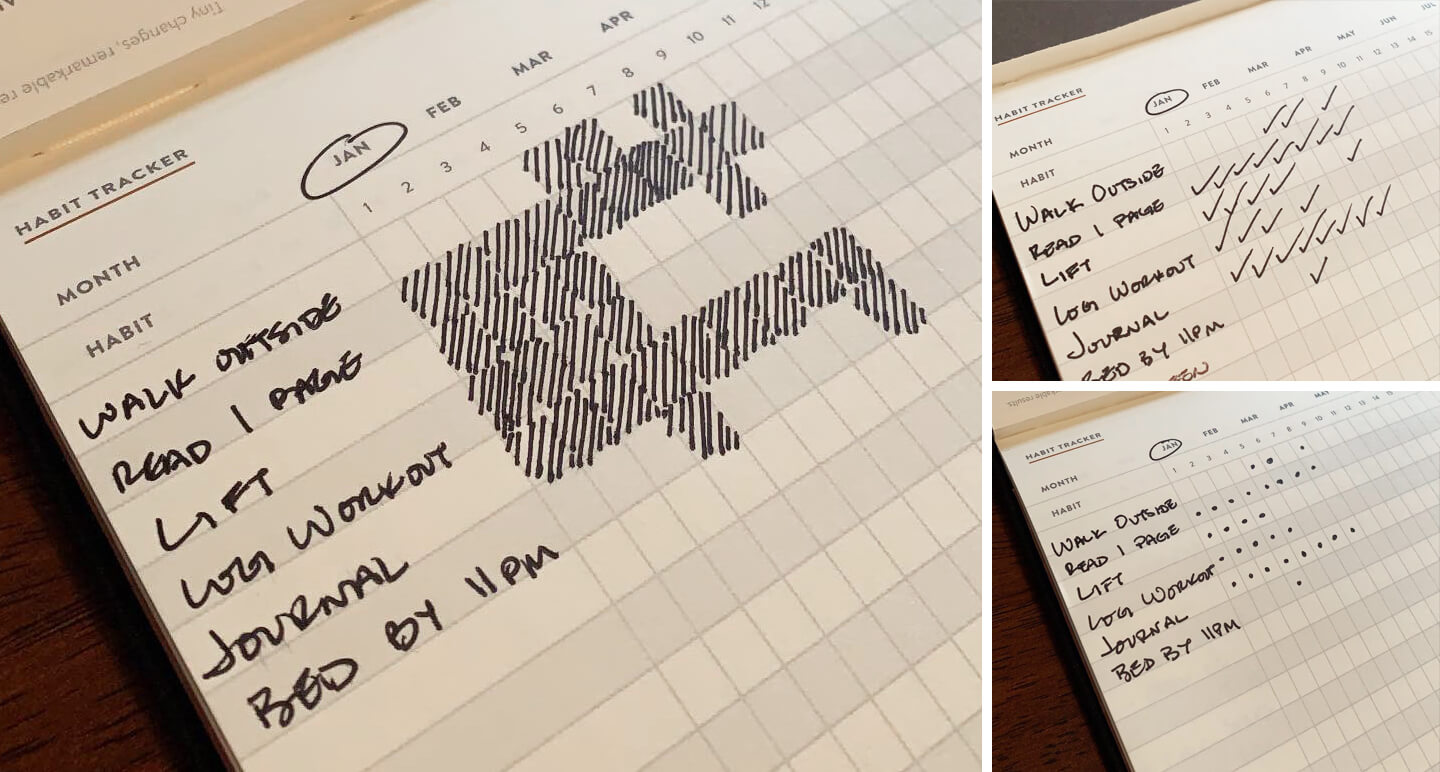
A habit tracker works by recording each time you complete a routine, often using a calendar grid where each day you stick with the habit gets marked. The post introduces the Habit Journal, which provides 12 monthly templates to make setup quick, and explains how visual cues like X’s or shaded cells help maintain momentum.
- The classic format uses an X for each completed day.
- Alternative designs include shading cells or using checkmarks.
- The Habit Journal offers 12 ready-made monthly templates.
Why This Matters
Research and real-world experience show that tracking creates a visual reminder of your commitment, fuels motivation through small wins, and provides immediate satisfaction that reinforces the habit loop. These three benefits work together to keep you engaged even when progress feels slow.
Benefit #1: A habit tracker reminds you to act
Seeing your streak on a calendar acts as a visual cue that prompts action. Evidence suggests that people who track goals like weight loss, quitting smoking, or blood pressure management are more likely to improve than those who don’t.
Benefit #2: A habit tracker motivates you to continue
Each small win builds momentum. When you see a growing streak, it becomes harder to break the pattern, especially on difficult days. The visual proof of progress serves as a subtle reminder of how far you’ve come, making it easier to stay consistent.
Benefit #3: A habit tracker provides immediate satisfaction
Checking off a box or filling a cell feels rewarding. It shifts focus from distant outcomes to the process itself, and because it feels good, you’re more likely to keep going. This immediate feedback loop is key to long-term adherence.
Key Takeaways
Not every habit needs daily tracking, and over-tracking can become burdensome. The guide recommends focusing on your most important habits—typically three to four—and recording them immediately after completion. It covers daily habits (stretching, gratitude, vitamins), weekly routines (trash duty, deep cleaning, thank-you notes), and monthly counts (travel days, reviews). It also introduces the concept of habits of avoidance for behaviors you want to reduce. A key rule: if you miss a day, don’t let it turn into two. Getting back on track immediately prevents a spiral of repeated mistakes.
- Focus on three to four most important habits rather than sporadically tracking ten.
- Record each measurement immediately after the habit occurs.
- Use the Two-Minute Rule to scale habits down and make tracking effortless.
- Recover quickly from breaks: missing one day is an accident; missing two starts a new habit.
Conclusion
So how long should you track? The honest answer is: as long as the habit matters to you. While popular numbers like 21 or 66 days circulate, the real goal is sustainable, lifelong change. A habit tracker is a tool to visualize progress and motivate show-up consistency, not a finish line. By keeping it simple, linking tracking to existing routines, and embracing imperfection, you can make habit tracking a sustainable part of your growth journey.



Discussion
Join the conversation
Thoughtful reactions, questions, and follow-up ideas help shape the next story.