Introduction
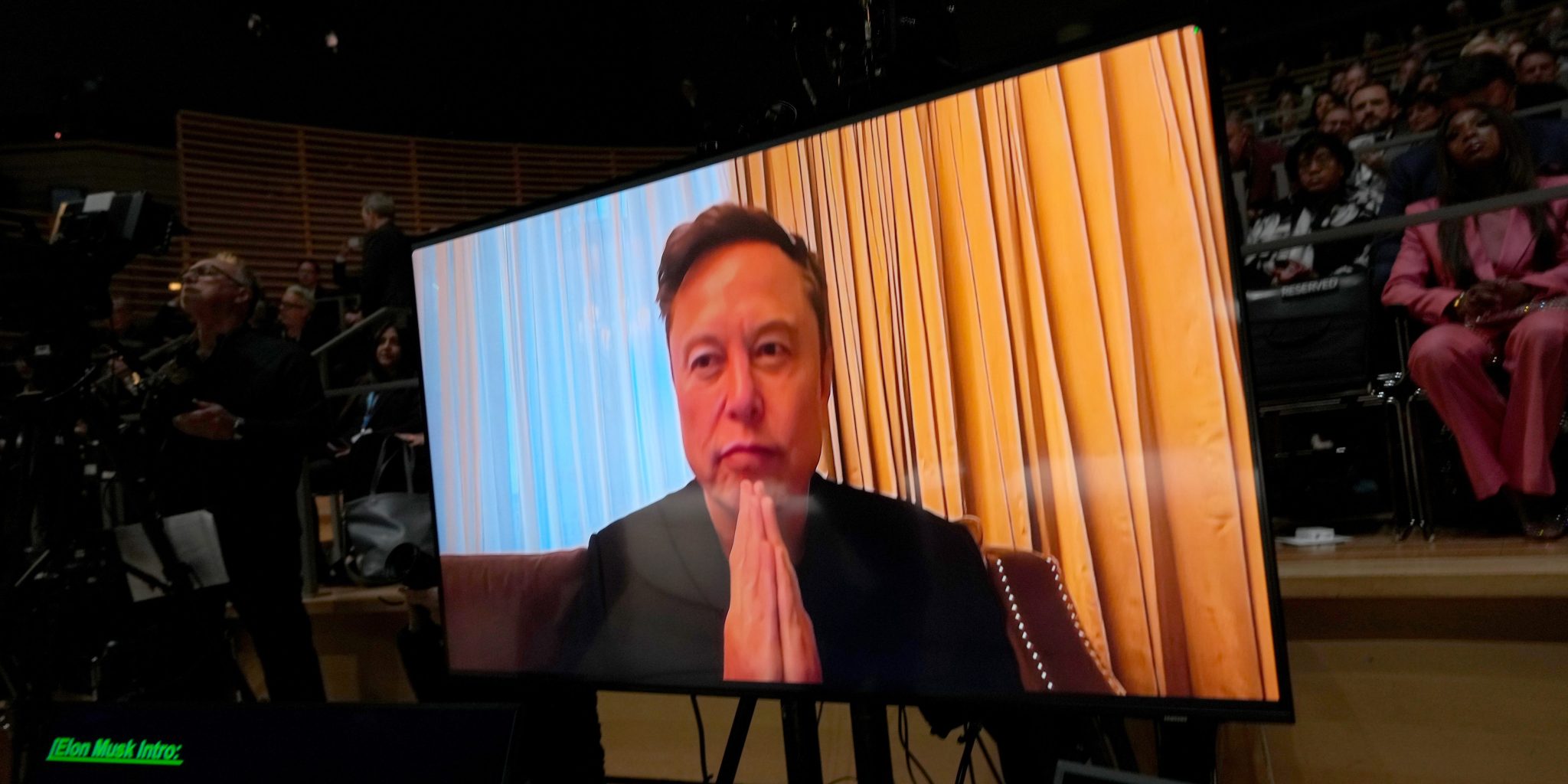
Following the recent midterm elections, several high-profile allies of former President Donald Trump have begun repositioning themselves. One of the most visible shifts came when Elon Musk appeared by video at the New York Times DealBook Summit and told interviewer Andrew Ross Sorkin that he is not part of the MAGA movement and is unsure what the term means. The comments represent a sharp turn from just months earlier, when Musk embraced the label “dark MAGA” while wearing a custom black campaign hat at a Trump rally.
What Happened
During the summit, Musk described himself as a political moderate and suggested that both major parties have strengths and weaknesses. He also acknowledged that his nearly $450 million investment in Republican candidates during the midterms, much of it concentrated in Texas, left him feeling foolish in hindsight because the electoral results did not justify the expense. Democrats went on to win the governor’s race and a Senate seat in Texas, outcomes Musk downplayed by predicting that incoming Governor Gina Hinojosa would govern as a moderate.
Musk’s remarks arrived less than a day after Vice President JD Vance suggested that U.S. support for Israel’s war with Iran contributed to Republican losses, part of a broader pattern of Trump allies creating distance from the administration as its political standing weakens.
Why This Matters
The timing is significant because Musk’s rebrand follows a period of deep involvement in the Trump administration. As a special government employee, he led the Department of Government Efficiency, an initiative that reduced the federal workforce, cut foreign aid, and eliminated positions tied to food and drug safety oversight. His companies have also received roughly $38 billion in government loans, subsidies, contracts, and tax credits over the years.
Critics point to a longer record that includes public support for pronatalist and eugenics-adjacent causes, amplification of “white genocide” rhetoric, and an artificial intelligence project that generated content praising Adolf Hitler and categorizing people by race. From this perspective, Musk’s sudden claim of political neutrality looks less like a change of heart and more like a response to shifting electoral winds.
Key Takeaways
- Elon Musk told the New York Times DealBook Summit that he is not MAGA and does not know what the term means.
- He spent almost $450 million on Republican candidates in the recent midterms and now regrets the scale of that spending.
- Democrats won major races in Texas, including the governor’s mansion and a U.S. Senate seat.
- Musk previously called himself “dark MAGA” and wore a black MAGA hat at a Trump campaign event.
- He led the Department of Government Efficiency, which oversaw major federal layoffs and program cuts.
- Musk’s businesses have benefited from tens of billions of dollars in government support.
Conclusion
Elon Musk is free to change his public position, but a single interview does not erase years of financial backing, policy influence, and public statements aligned with the far right. Whether his new moderate persona reflects genuine evolution or strategic repositioning, voters and observers should judge him by his record as well as his latest remarks. As Trump-era allies scramble to adjust after disappointing election results, skepticism remains the appropriate response to any overnight conversion.
Discussion
Join the conversation
Thoughtful reactions, questions, and follow-up ideas help shape the next story.