Introduction
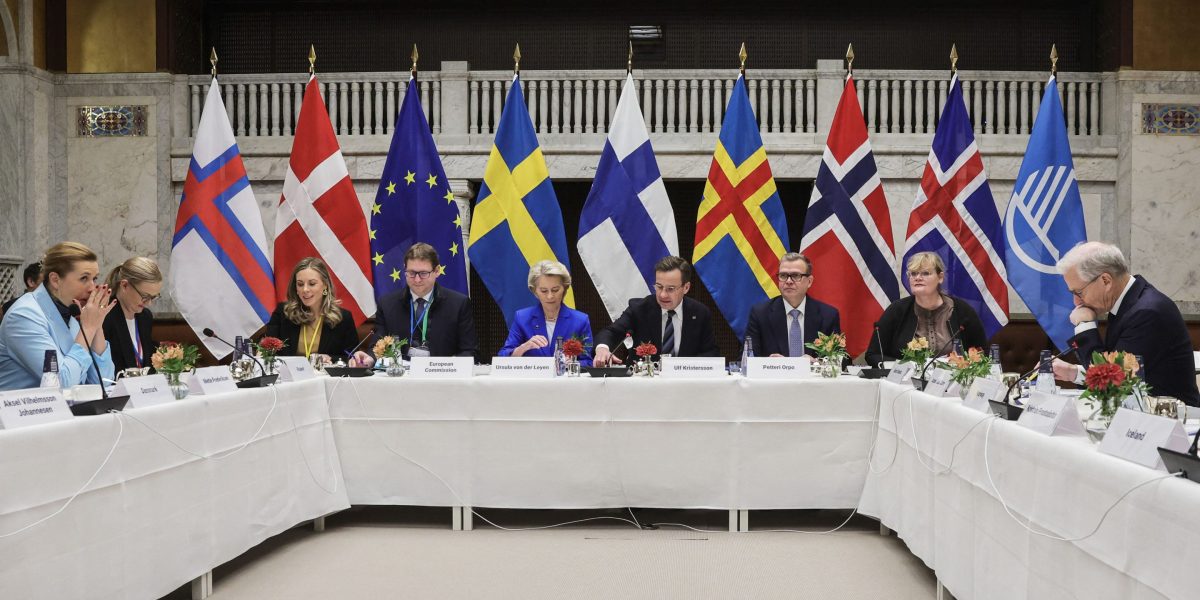
The European Union is entering a critical budget negotiation period as Ireland, holding the rotating presidency, unveils a significant spending proposal for the next multiannual financial framework. The plan has already sparked debate among member states, particularly regarding affordability and priority setting ahead of upcoming elections.
What Happened
Ireland's EU presidency proposed a €1.62 trillion ($1.81 trillion) budget for 2028-2034, representing a 30% increase over the current seven-year package. Sweden, a net contributor, has labeled the figure wildly unaffordable and pushed for deeper cuts. German Chancellor Friedrich Merz welcomed the effort but stressed that major economies must share the burden. Negotiations unfold as the EU faces external pressures - including support for Ukraine, energy costs, trade tensions - and internal elections in France, Italy, Poland, and Spain that could reshape the political landscape.
Why This Matters
The EU budget, representing about 1.2% of the bloc's gross national income, funds agriculture, regional development, climate action, and security. With cohesion funds and agricultural subsidies making up roughly two-thirds of spending, reductions in those areas would affect millions. The debate also highlights the push for new own resources, such as carbon pricing and tobacco duties, to reduce reliance on member-state contributions. For net contributors like Sweden and Germany, affordability is key; for recipient states, maintaining essential services is critical. Upcoming elections add further uncertainty to the negotiation timeline.
Key Takeaways
- The Irish presidency's €1.62 trillion proposal is 30% larger than the current seven-year EU budget.
- Sweden has labeled the plan wildly unaffordable, demanding significant cuts before agreeing to support.
- Germany, the EU's largest economy, welcomes the effort but insists all contributors must share adjustment responsibilities.
- Cohesion funds and agriculture policy together make up about two-thirds of the total budget, making them primary targets for any reductions.
- New own resources, including carbon trading and tobacco taxes, are being explored to diversify EU revenue streams.
- Elections in France, Italy, Poland, and Spain this year and next could shift the balance of power in budget talks.
Conclusion
With the EU facing competing priorities - defense competitiveness, climate investment, and support for Ukraine - the budget negotiation is more than a fiscal exercise; it's a test of political cohesion. Ireland's presidency has laid a foundation for dialogue, and officials suggest a timely agreement is essential to provide economic predictability ahead of 2028. Whether through adjusted spending targets, new revenue sources, or political compromise, the final framework will likely reflect a series of trade-offs rather than a perfect win for any single nation. Stakeholders will be watching closely as the December deadline approaches, and as election results unfold across the continent.




Discussion
Join the conversation
Thoughtful reactions, questions, and follow-up ideas help shape the next story.