Introduction
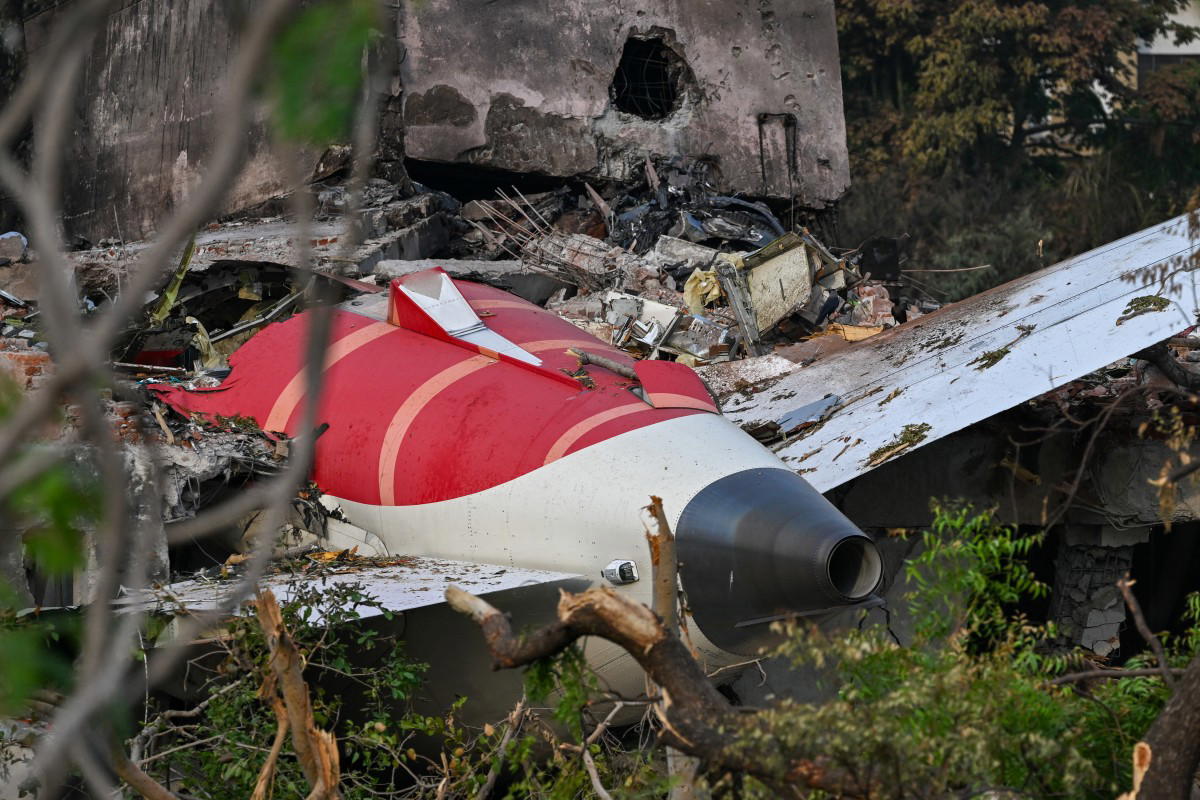
A routine aerial display turned tragic Saturday when an F-4 Phantom military jet crashed during an airshow outside Athens, Greece, before a crowd of thousands. The incident, part of the annual Athens Flying Week, unfolded moments after takeoff and quickly escalated into a scene of smoke and flame.
What Happened
Witnesses reported that the aircraft had just become airborne when it suddenly lost altitude, nosedived, and impacted the ground with a powerful explosion. Local journalist present at the event, reporting for public broadcaster ERT, confirmed the plane went down before the Athens Flying Week demonstrations began. Two pilots were aboard at the time of the crash, and their current condition remained unconfirmed in the immediate aftermath. Emergency services, including a fire service helicopter, were dispatched to battle the blaze that followed the impact.
The defence minister, Nikos Dendias, cut short a trip to Thessaloniki International Fair to travel to the crash site and oversee the initial response.
Why This Matters
The crash has reignited debate over safety standards for public airshows, particularly regarding military demonstrations that draw large families and aviation enthusiasts. With thousands of spectators present, the incident underscores the inherent risks of live flight performances and the critical need for rigorous pre-flight checks and emergency preparedness.
Beyond the immediate human toll, the event may influence future policy decisions regarding the permissibility of such displays and the protocols governing pilot safety during public exhibitions.
Key Takeaways
- The crash occurred during the annual Athens Flying Week airshow, witnessed by thousands.
- An F-4 Phantom jet lost altitude immediately after takeoff and exploded upon impact.
- Two pilots were on board; their status remained unclear following the incident.
- Defence Minister Nikos Dendias cancelled other commitments to visit the crash site.
- Emergency crews, including a fire service helicopter, worked to extinguish the resulting fire.
- Investigators are expected to examine flight data, maintenance records, and pilot briefings.
Conclusion
As authorities begin a formal investigation, the aviation community and the public alike are watching closely for answers. The tragedy serves as a somber reminder of the fine line between spectacular aerial displays and public safety, and it may prompt a reevaluation of how such events are regulated and executed in the future.



Discussion
Join the conversation
Thoughtful reactions, questions, and follow-up ideas help shape the next story.