Introduction
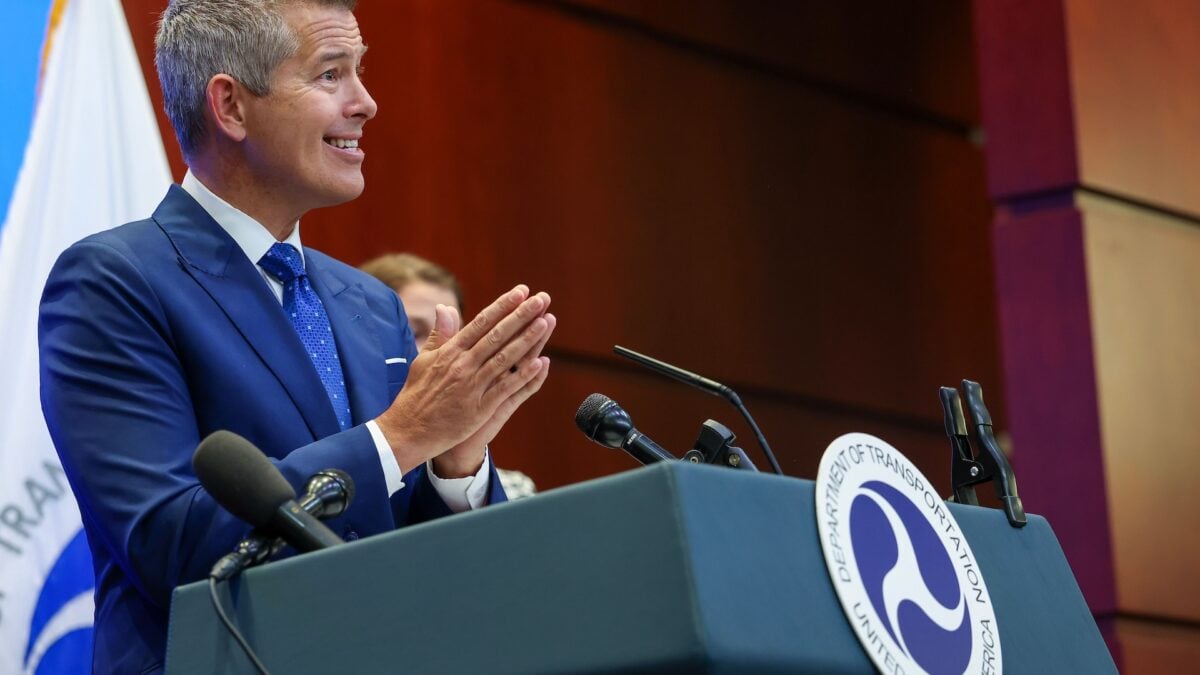
U.S. air travel came to a sudden halt last Friday when the Federal Aviation Administration ordered a nationwide pause on departing flights. The disruption lasted roughly four hours and marked the most extensive grounding of its kind since the terrorist attacks of September 11, 2001. Transportation Secretary Sean Duffy addressed the outage in a Saturday press conference, pointing to a communications breakdown tied to aging infrastructure rather than malicious activity.
What Happened
According to Duffy, the problem originated at a remote FAA facility where contractor L3Harris was performing routine maintenance. Workers were replacing legacy copper telephone lines with modern fiber-optic cable as part of a broader shift from older transmission technology to internet-protocol-based networking. During that work, a router involved in the swap began sending an abnormal volume of signals—more than 1,000 connection attempts every few seconds—to other routers across the air traffic control network. The resulting traffic jam disrupted communications between the FAA and aircraft in flight, forcing officials to ground departures nationwide while engineers isolated the fault. Duffy emphasized that investigators have not confirmed whether the root cause was human error, defective hardware, or a combination of both, and that responsibility could fall on the government, the contractor, or the equipment itself.
Why This Matters
The grounding affected potentially millions of travelers and underscored how dependent modern aviation remains on aging telecommunications systems. Because L3Harris owns the network the FAA relies on for flight control, a single point of failure at one remote site was able to ripple across the entire country. The incident also arrives as the FAA pursues newer technologies, including artificial intelligence tools for air traffic management, though officials said there is no evidence linking the wiring project to that separate initiative. Duffy explicitly stated that authorities do not believe a foreign cyberattack caused the outage.
Key Takeaways
- A nationwide flight ground stop lasted approximately four hours on Friday, making it the longest such disruption since 9/11.
- Transportation Secretary Sean Duffy attributed the outage to problems during a copper-to-fiber wiring upgrade at a remote FAA location.
- Contractor L3Harris owns the telecommunications network used for flight control and was performing the maintenance work.
- A malfunctioning router flooded the system with connection requests, interfering with air-to-ground communications.
- Officials have ruled out a cyberattack but have not determined whether contractor error, faulty equipment, or another factor was to blame.
Conclusion
While flights have since resumed, the episode raises questions about the resilience of critical aviation infrastructure and the risks involved in transitioning legacy systems to modern standards. Until the FAA and L3Harris complete their review, travelers and industry observers will be watching closely to see what changes are made to prevent a repeat. Gizmodo has contacted L3Harris for comment and will update this story if the company responds.
Discussion
Join the conversation
Thoughtful reactions, questions, and follow-up ideas help shape the next story.