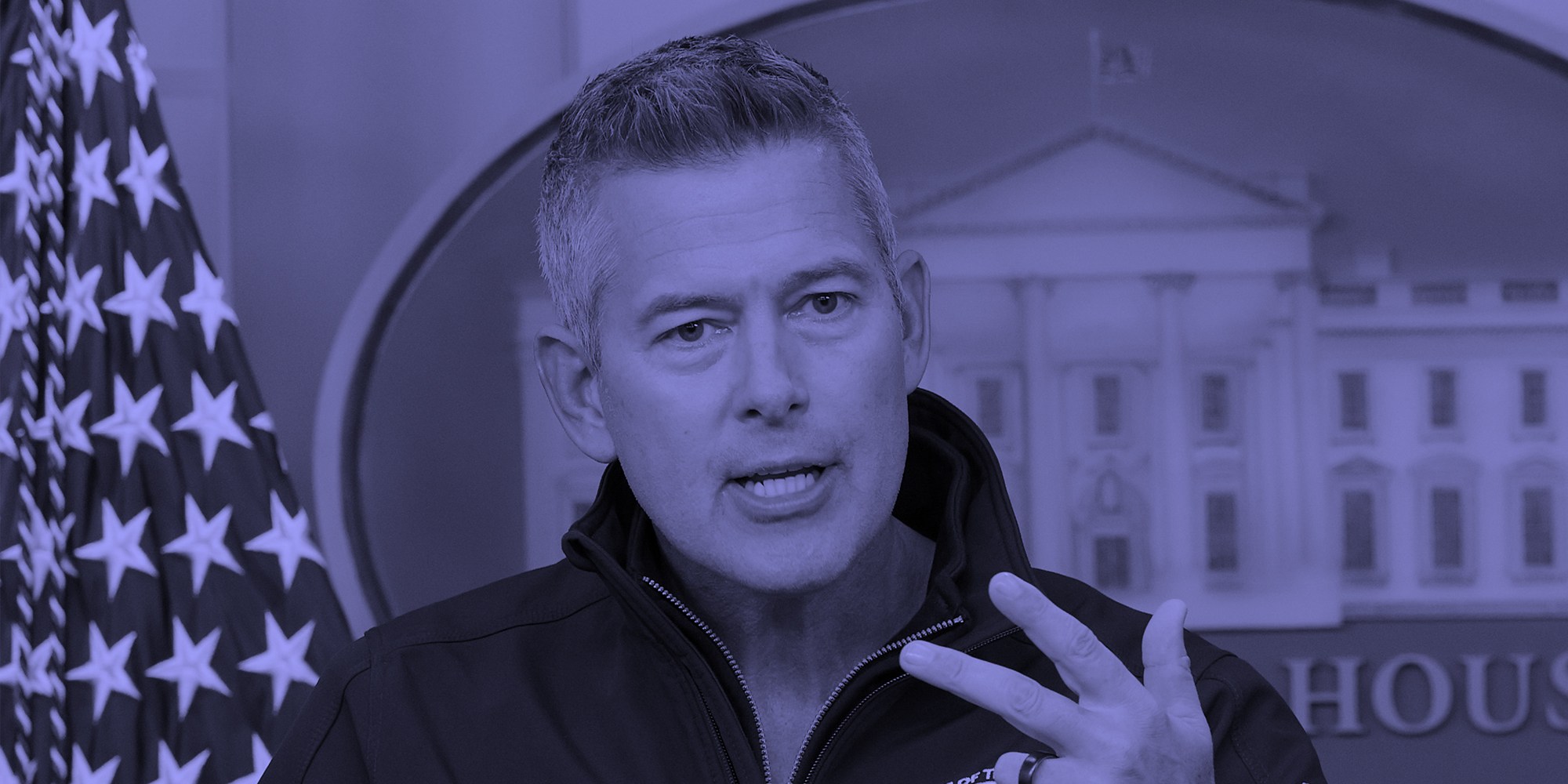
Seven days after the Federal Aviation Administration ordered a nationwide ground stop, the traveling public is still waiting for a clear explanation. The disruption touched more than 12,000 flights and roughly 1.5 million passengers, turning airports into crowded waiting rooms and leaving elected officials stranded alongside ordinary travelers. Transportation Secretary Sean Duffy has offered shifting accounts of what went wrong, while aviation experts warn that the episode exposes deeper questions about leadership, technology, and safety in the nation's airspace.
What Happened
The ground stop began last Friday and quickly rippled across the country. Thousands of flights were canceled, and thousands more faced delays. Early statements from the FAA pointed to instability with air traffic communications and radar feeds, with investigators later focusing on a facility in El Dorado, Arkansas. The FBI subsequently took custody of a router and related equipment because officials could not rule out a malicious actor or cyberattack.
By Tuesday, Duffy acknowledged that the root cause had not been determined. That marked a retreat from his initial explanation and left the incident without a confirmed trigger. The episode also revived memories of a 2009 ground stop, which involved a similar transition from copper wiring to fiber optic cable and a malfunctioning router. Aviation journalist Jeff Wise noted that the country has been upgrading that infrastructure for years, yet similar failures continue to occur.
Duffy has argued that the system is outdated and underfunded, requesting as much as $50 billion for modernization. He has also pointed to prior administrations and Congress for failing to provide sufficient resources. Former Transportation Secretary Pete Buttigieg pushed back publicly, saying his team reversed staffing declines and improved runway safety, and questioning why the current rollout of communications upgrades produced what he called the worst breakdown of its kind this century. President Donald Trump, when asked about responsibility, said he accepted none.
Adding to the uncertainty is the timing of a new AI-powered tool called SMART, or Strategic Management of Airspace, Routes, and Trajectories. The FAA expanded the system nationwide shortly before the ground stop. The agency has denied any connection between SMART and the outage, and no public reporting has established a link. Still, the system was only recently tested in Washington, D.C., airspace before a broader deployment, raising questions about how quickly new technology is being introduced into a safety-critical environment.
Why This Matters
Air travel depends on public confidence. When a single technical failure can ground flights across an entire country, passengers naturally wonder who is in charge and whether the people managing the system understand it. Wise described current leadership as deeply unserious and warned that lives are in the hands of officials who may lack curiosity about how aviation infrastructure actually works.
The debate over SMART highlights a broader tension. The system is designed to help controllers plan routes by analyzing weather, traffic, and other data, with a human required to review and sign off on recommendations. Critics worry that AI tools can hallucinate or propose unsafe options, and that a human reviewer may not always catch a computer-generated error. No other country is known to be deploying a comparable system at this scale.
Staffing is another structural issue. The FAA has struggled for years to hire and retain air traffic controllers, a role that demands intense screening and training. While the agency did not cut controller positions during recent personnel changes, it did dismiss other employees, and some allocated funds were reportedly not spent. These are long-standing, bipartisan challenges rather than problems created by a single administration.
Key Takeaways
- The FAA has not identified the cause of the nationwide ground stop one week after it occurred.
- More than 12,000 flights were disrupted, affecting an estimated 1.5 million passengers.
- The FBI seized router equipment from an Arkansas facility amid concerns about possible hacking.
- The FAA denies any role for its new SMART AI system, and no evidence has linked the two.
- A similar ground stop happened in 2009 during a wiring upgrade, showing the issue is not new.
- Transportation Secretary Sean Duffy has requested up to $50 billion for system modernization.
- Experts say the real problem may be a lack of experienced leadership and sustained investment, not just outdated equipment.
Conclusion
Until the FAA provides a definitive answer, travelers are left with uncertainty and a series of uncomfortable questions. The ground stop was not unprecedented, but its scale and the confusion surrounding it have shaken confidence in an already strained system. What passengers ultimately need is not a cycle of blame-shifting, but transparent leadership, adequate funding, and assurance that the people overseeing the skies are fully prepared for the job.
Discussion
Join the conversation
Thoughtful reactions, questions, and follow-up ideas help shape the next story.