Introduction
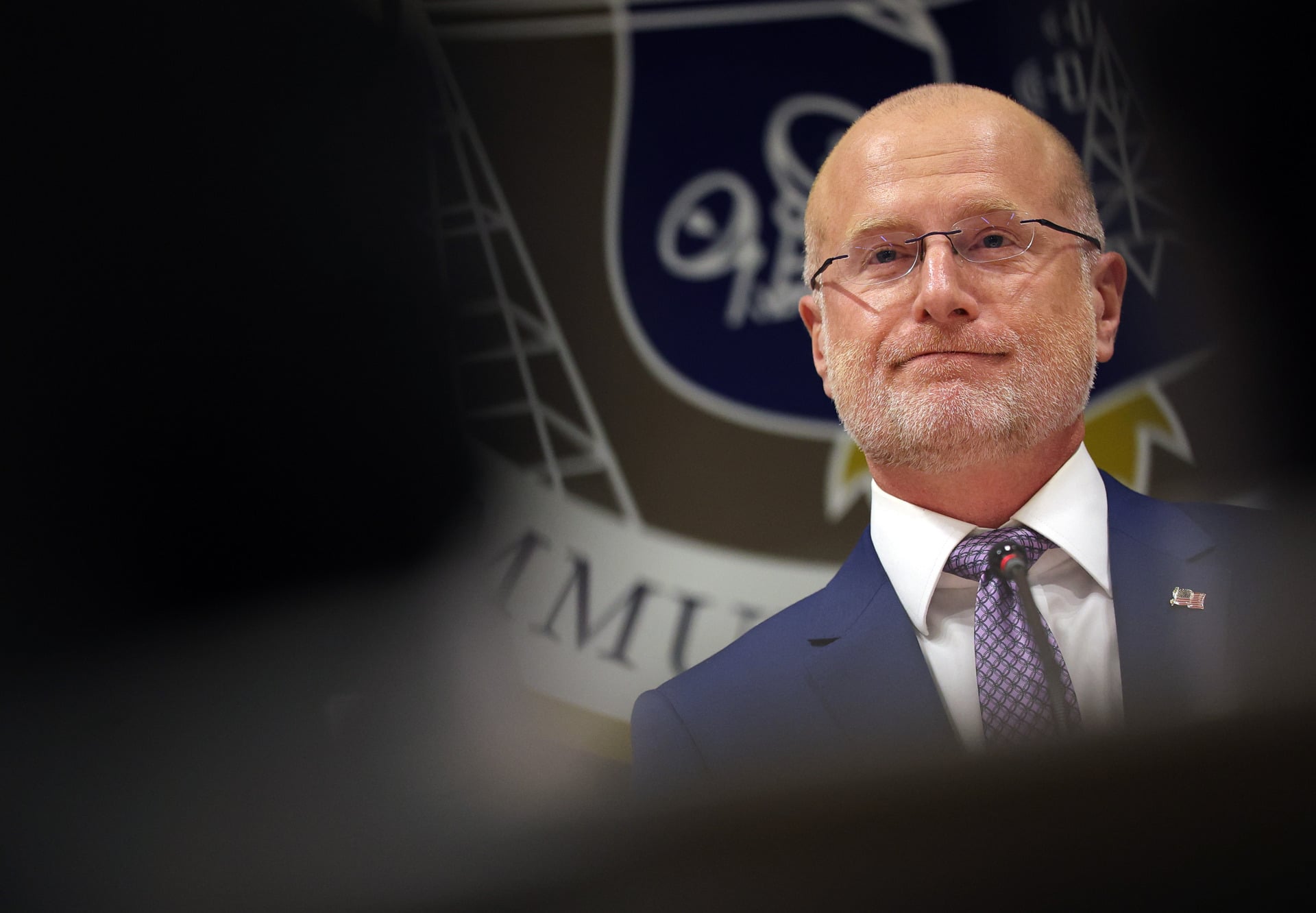
The FCC's role in regulating broadcast content has once again found itself at the center of a politically charged decision. Chair Brendan Carr's recent remarks about deferring to Defense Secretary Pete Hegseth on the planned livestream of Fort Hood shooter Nidal Malik Hasan's execution highlight the tension between executive authority and media oversight. The situation raises profound questions about the limits of federal influence over what the public gets to see.
What Happened
Defense Secretary Pete Hegseth announced intentions to livestream the execution of Fort Hood shooter Nidal Malik Hasan, who killed 13 and wounded 32 during the 2009 attack. The plan aims to bring the federal execution into public view via digital broadcast. FCC Chair Brendan Carr stated on CNBC that he has not seen formal broadcast plans but will defer to Hegseth's judgment, emphasizing trust in the defense secretary's authority over the matter. The execution, scheduled for December 3, has sparked debate across political lines.
Why This Matters
If realized, the broadcast would mark the first time a U.S. federal execution is publicly streamed, setting a significant precedent for media coverage of capital punishment. The FCC historically has limited power to regulate content, and the United States lacks a state-owned broadcasting network capable of mandating nationwide coverage. The move also invites comparison to authoritarian regimes that publicly execute and film inmates, though U.S. officials frame the decision as a matter of transparency and accountability. Ultimately, whether the feed reaches national airwaves depends on network executives and local station managers, not federal regulators.
Key Takeaways
- FCC Chair Brendan Carr will not challenge Pete Hegseth's authority over the execution broadcast.
- The livestream, if realized, would be unprecedented in U.S. federal execution history.
- Decision ultimately rests with network executives and local station managers, not federal regulators.
- Republican voices, including Vice President JD Vance, have expressed reservations about watching.
- The execution is scheduled roughly a month before a key election cycle, potentially influencing political dynamics.
Conclusion
As the December execution date approaches, the nation watches how far the administration will go in blending capital punishment with mass media. Whether the feed reaches national airwaves or remains confined to Pentagon channels, the decision underscores the evolving relationship between executive power, military justice, and the public's right to know. For now, all eyes remain on FCC leadership and network executives as the boundary between justice and spectacle hangs in the balance.





Discussion
Join the conversation
Thoughtful reactions, questions, and follow-up ideas help shape the next story.