
Introduction
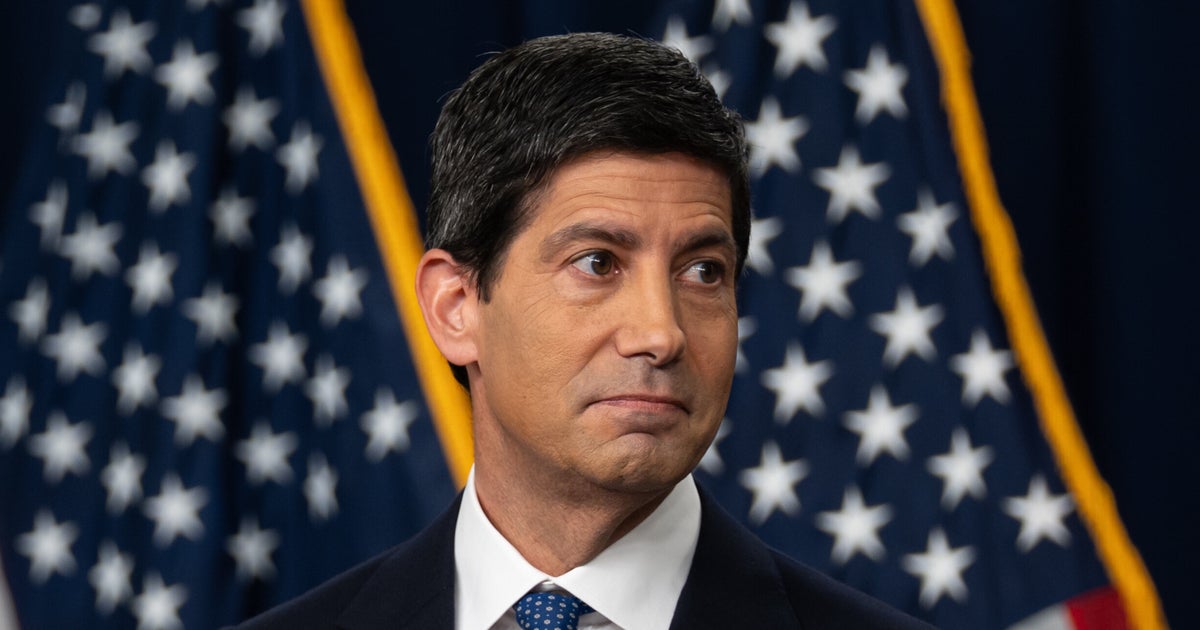
The Federal Reserve held its benchmark interest rate steady in October 2026, opting to pause amid ongoing economic evaluation. Chair Kevin Warsh’s subsequent press conference revealed the rationale behind the hold and outlined significant procedural shifts ahead for the Federal Open Market Committee. This post breaks down the key developments and what they signal for U.S. monetary policy.
What Happened
The FOMC voted to keep rates unchanged, as widely anticipated, emphasizing a patient stance toward inflation control. However, the meeting produced two notable dissenting votes from Governors Lisa Cook and Beth Hammack, both of whom opposed the decision. Beyond the vote, Chair Warsh announced upcoming changes to the committee’s meeting structure, including a reduction in rate-voting sessions and altered seating protocols for press briefings. Reporters also faced new access limits, with the post-meeting briefing shortened to 30 minutes and a single-question format replacing the usual two-for-one approach.
Why This Matters
These developments signal the Fed’s continued caution toward inflation while adapting its operational format. The procedural changes, particularly the reduction in rate-adjustment meetings starting in 2027, may affect market timing and investor expectations. Dissent from sitting governors also highlights internal policy divides that could influence future decisions and underscore the committee’s evolving dynamics.
Key Takeaways
- No surprise hold: Markets expected the pause, and the FOMC reiterated patience, stating that additional data will guide when policy shifts toward its 2% inflation goal.
- Procedural overhaul: Starting in 2027, one of the eight annual FOMC meetings will omit a rate vote and post-meeting statement, while strategy meetings will rise to two, leaving only six opportunities for rate adjustments outside emergency sessions.
- Rare dissent: Governors Lisa Cook and Beth Hammack broke with the majority, marking uncommon public opposition from sitting governors and likely prompting written explanations before week’s end.
- AI and growth: Chair Warsh cited artificial intelligence as a contributing factor to current economic expansion, noting its role alongside other drivers of strong U.S. growth.
- Press access shifts: The post-meeting briefing was shortened to 30 minutes, reporters were limited to a single question, and seating was rearranged to alphabetical and reverse-alphabetical order, changing traditional media access patterns.
Conclusion
The October 2026 FOMC meeting was defined by an expected rate hold, significant internal dissent, and forward-looking procedural reforms. As the Fed navigates inflation targets and evolving economic drivers, these changes may shape the trajectory of U.S. monetary policy in the coming years. Readers should watch how the new meeting structure and governor perspectives influence future decisions.



Discussion
Join the conversation
Thoughtful reactions, questions, and follow-up ideas help shape the next story.